

Detoxikácia a odstraňovanie toxínov
Náš každodenný život je náročný – aj pre naše prirodzené detoxikačné systémy. O to lepšie, ak pečeň, obličky a ďalšie orgány podporíte cieleným spôsobom: vybranými živinami a detoxikačnými prípravkami, ktoré podporujú vlastnú detoxikáciu vášho tela.
Filtre a triedenie
Biogena Essentials
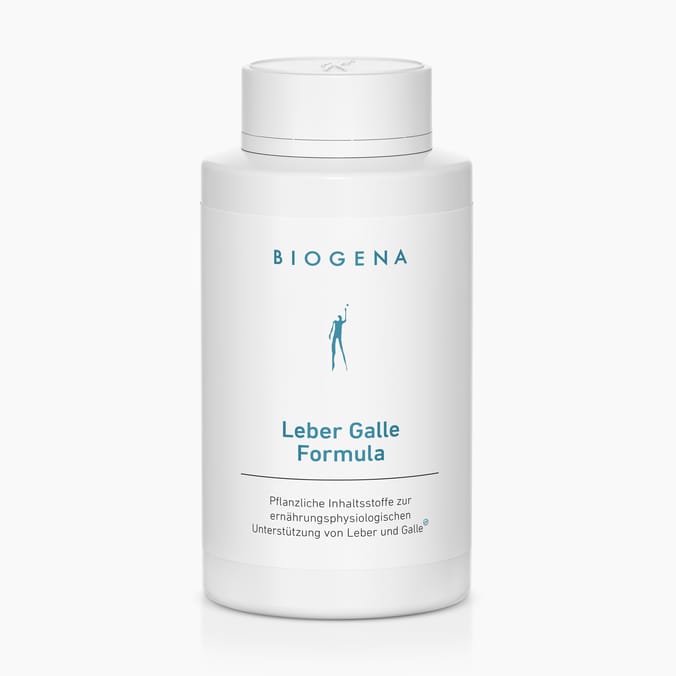
Formula Pečeň a ŽlčRastlinný komplex pre pečeň a žlč – s pestrecom mariánskym a artičokou
706,10 € / kg57,90 €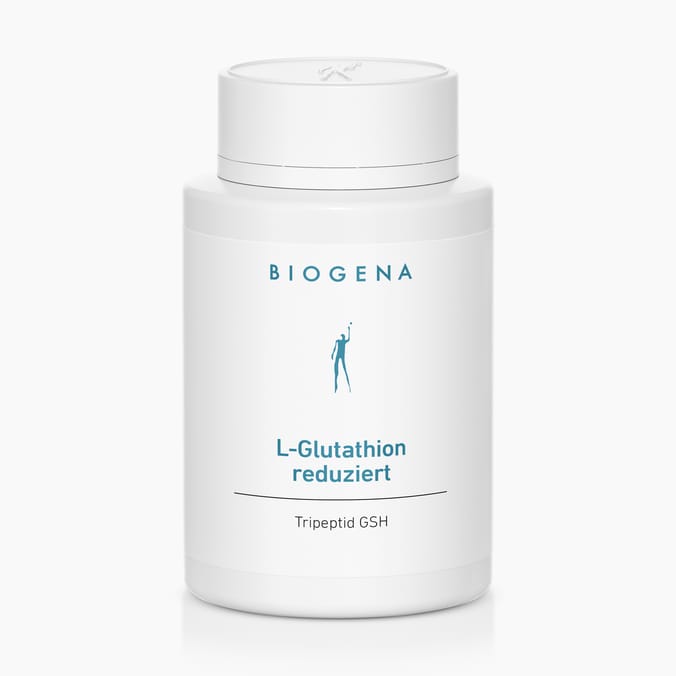
Biogena Essentials
L-glutatión redukovanýTelo vlastný sírou obsahujúci proteín L-glutathion
3 790,00 € / kg37,90 €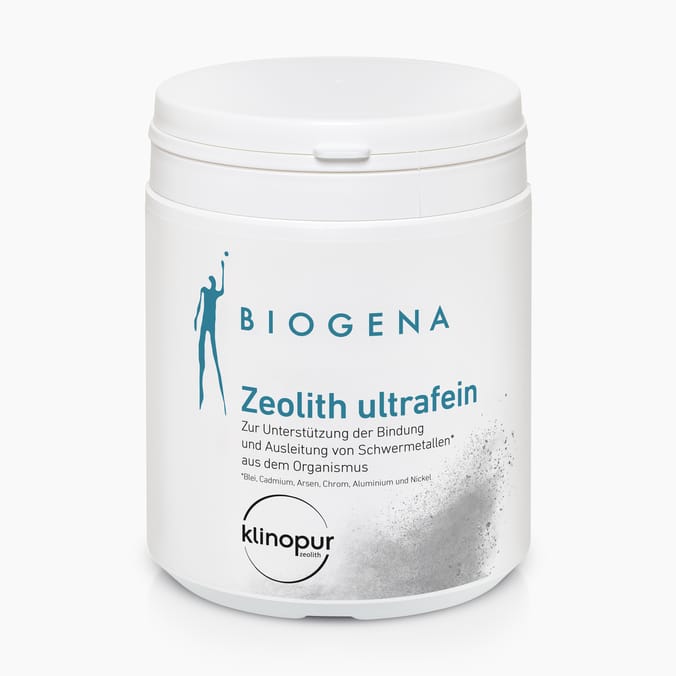
Biogena Essentials
Zeolith ultrafeinUltrajemný zeolitový prášok na podporu detoxikácie
227,60 € / kg56,90 €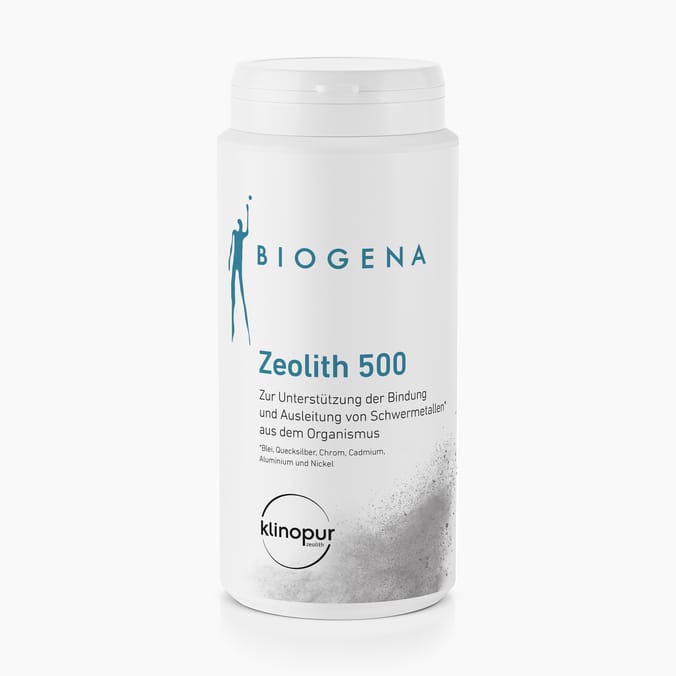
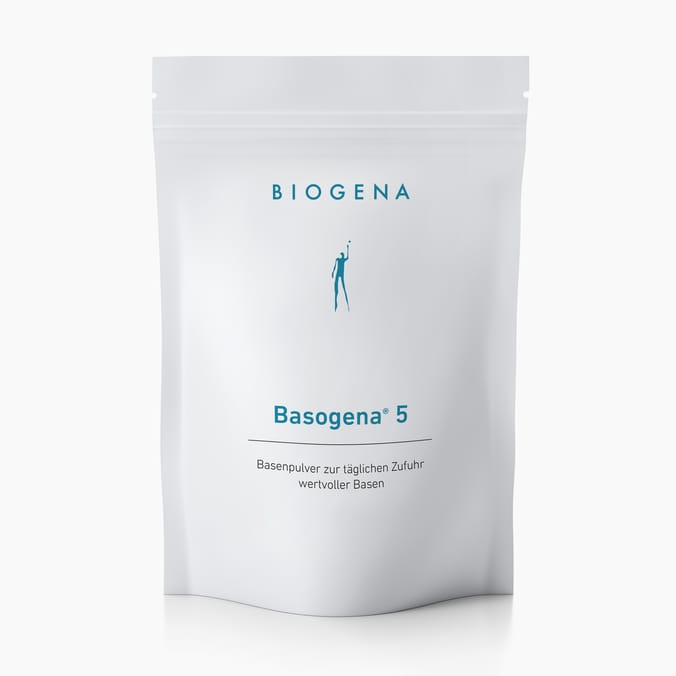
Biogena Essentials
Základný prášok Basogena® 5Bázický prášok s vybranými minerálnymi zlúčeninami pre acidobázickú rovnováhu
175,60 € / kg43,90 €
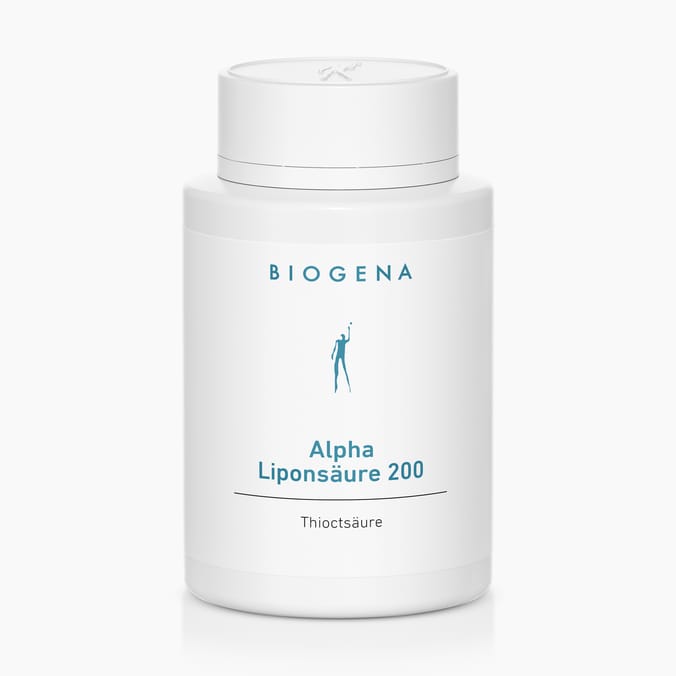
Biogena Essentials
Kyselina alfa-lipoová 200Jednosložkový prípravok z R-alfa-lipoovej kyseliny
1 662,50 € / kg39,90 €
Biogena Essentials
Bio olej na zuby a kreslenie DXNa každodennú starostlivosť o ústnu dutinu a zuby
249,00 € / l24,90 €
Biogena Essentials
Basogena® 5 – alkalický prášokZákladný prášok s vybranými minerálnymi zlúčeninami
299,17 € / kg35,90 €
Biogena Essentials
NitroStress® Formula IŠpeciálny prípravok s kurkumínom, taurínom a piatimi vitamínmi B-komplexu
1 057,58 € / kg34,90 €
Biogena Essentials
NitroStress® Formula IINa podporu pri nitrozatívnom a oxidačnom strese
1 210,64 € / kg56,90 €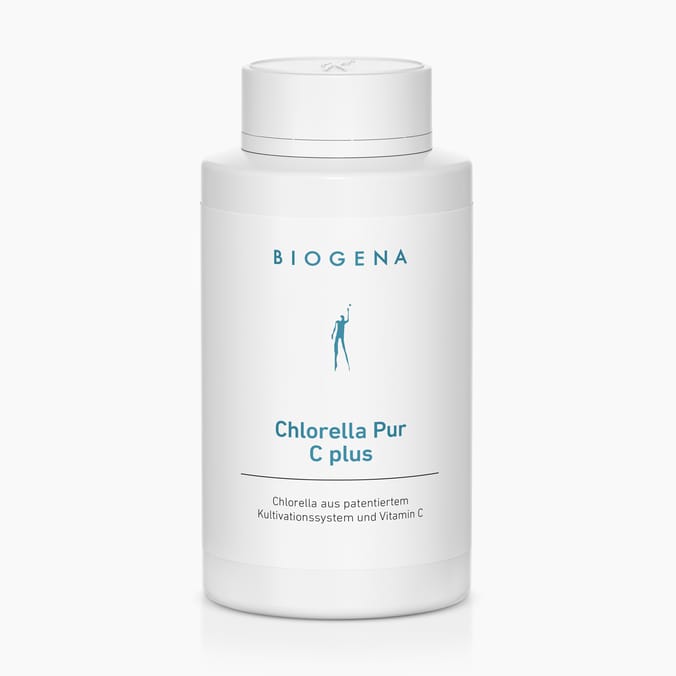
Biogena Essentials
Chlorella Pur C plusKapsuly na cielené zásobenie chlorellou bohatou na chlorofyl
595,16 € / kg36,90 €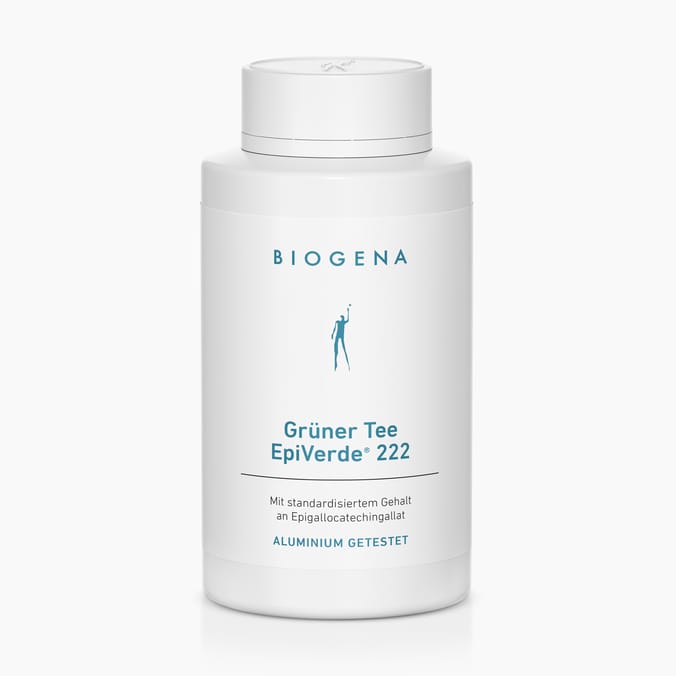
Biogena Essentials
Zelený čaj EpiVerde® 222Dekofeinizovaný extrakt zo zeleného čajového listu
732,81 € / kg46,90 €
Čo sa skutočne skrýva za detoxikačnými produktmi?
Detoxikačné produkty znejú ako módny výstrelok? Áno, ale myšlienka, ktorá za nimi stojí, je všetko iné, len nie povrchná. Naše telo je síce uspôsobené na to, aby sa nepretržite zbavovalo nežiaducich látok, ale moderné zaťaženie, ako je znečistenie ovzdušia, škodlivé látky, lieky alebo jednostranná strava, môže jeho prirodzené systémy poriadne namáhať. Práve tu nastupujú kvalitné detoxikačné prípravky: cielenou podporou pomáhajú tam, kde to telo potrebuje najviac – napríklad pri acidobázickej rovnováhe, antioxidačnej rovnováhe alebo odstraňovaní metabolických zvyškov.
Ako pôsobia detoxikačné kapsuly, prášky, tablety a podobné produkty?
Nie všetky detoxikačné produkty sú rovnaké – a práve to je ich výhoda. Niektoré dodávajú dôležité mikroživiny, tzv. kofaktory, ktoré telo potrebuje na svoju očistnú činnosť. Iné podporujú rozklad určitých látok alebo pomáhajú pri ich vylučovaní. V závislosti od zloženia sprevádzajú rôzne fázy detoxikačných procesov v tele.
Kúpte si detoxikačné produkty od BIOGENA: kvalita, ktorá funguje – pretože je premyslená
Ponúkame širokú škálu detoxikačných prípravkov, ktoré cielene podporujú rôzne oblasti detoxikácie organizmu: od funkcie pečene a obličiek cez črevá a acidobázickú rovnováhu až po vylučovanie ťažkých kovov a antioxidačnú rovnováhu. Nájdete tu aj vhodné doplnky pri oxidačnom a nitrozatívnom strese, ako aj pri zvýšenej potrebe určitých mikroživín. Tak si môžete individuálne a účinne prispôsobiť svoj detoxikačný režim – podľa toho, čo práve potrebuje vaše telo.
Stručný prehľad najdôležitejších produktov BIOGENA Detox v súčasnosti
Intenzívnejšie detoxikačné účinky | Odstránenie ťažkých kovov, liekov a environmentálnych toxínov | Vylučovanie prebytočných kyselín | Detoxikácia kyslíkovými radikálmi | Detoxikácia dusíkatých radikálov | |
|---|---|---|---|---|---|
|
|
|
|
| |
|
|
|
|
| |
|
|
|
|
| |
|
|
|
|
| |
|
|
|
|
| |
| |
|
|
| |
|
|
|
|
| |
|
|
|
|
| |
|
|
|
|
| |
|
|
|
|
| |
|
|
|
|
| |
|
|
|
|
| |
|
|
|
|
| |
|
|
|
|
|


osobitne odporúčané

odporúčané

žiadne hodnotenie
ČKO
Máte otázky týkajúce sa detoxikačných produktov a detoxikácie? Radi vám pomôžeme
Referencie
Odborné časopisy BIOGENA
Martin, M. 2011. Gesundes Entgiften - Regulationstherapien richtig anwenden. Biogena Inside. 2(1).
Greilberger, J. 2011. Taurin als neuer NO*-Fänger bei nitrosativem Stress.Biogena Inside.
Vedecké odborné knihy
Schmidbauer C, Hofstätter G. et al. 2020. Mikronährstoffcoach. Das große BIOGENA-Kompendium der Nährstoffe. Verlagshaus der Ärzte. 1158 Seiten, 4. aktualisierte und erweiterte Auflage. www.mikronährstoffcoach.com .
Gröber, U. Mikronährstoffe: Metabolic Tuning – Prävention – Therapie, 3. völlig überarbeitete und erweiterte Auflage. Stuttgart: Wissenschaftliche Verlagsgesellschaft Stuttgart, 2011.
Martin, M. Labormedizin in der Naturheilkunde, 3. Auflage. München:Elsevier GmbH, 2006.
Hahn, A. et al. Ernährung: Physiologische Grundlagen, Prävention, Therapie, 2. Auflage. Stuttgart:
Wissenschaftliche Gröber, U. Orthomolekulare Medizin: Ein Leitfaden für Apotheker und Ärzte, 3. unveränderte Auflage. Stuttgart: Wissenschaftliche Verlagsgesellschaft Stuttgart, 2008.
Watzl, B., Leitzmann, C. Bioaktive Substanzen in Lebensmitteln, 3. Unver änderte Auflage. Stuttgart: Hippokrates Verlag, 2005.
Gröber, U. Orthomolekulare Medizin: Ein Leitfaden für Apotheker und Ärzte, 3. unveränderte Auflage. Stuttgart: Wissenschaftliche Verlagsgesellschaft Stuttgart, 2008.
Ploss, O. Moderne Praxis bewährter Regulationstherapien: Entgiftung und Ausleitung, Säure-Basen-Haushalt, Darmsanierung, 1. Auflage. Stuttgart: MVS Medizinverlage, 2007.
Worlitschek, M. Praxis des Säure-Basen-Haushalts: Grundlagen und Therapie, 6. Auflage. Stuttgart: Haug-Verlag, 2008. 2008.
Löffler, G. Basiswissen Biochemie mit Pathobiochemie, 7. Auflage. Heidelberg: Springer-Verlag GmbH, 2008.
Štúdie
Hofmann, T. et al. 2009. Modulation of detoxification enzymes by watercress: in vitro and in vivo investigations in human peripheral blood cells. Eur J Nutr. 48(8):483-91.
Schreiber, H. 2000. Entgiftung und Ausleitung von Quecksilber. Der freie Arzt. Nr 2.
Higdon, J. V. et al. 2007. Cruciferous vegetables and human cancer risk: epidemiologic evidence and mechanistic basis. Pharmacol Res. 55(3):224-36.
Bagchi D, Bagchi M, Stohs SJ, Ray SD, Sen CK, Preuss HG, „Cellular protection with proanthocyanidins derived from grape seeds“, Ann. N. Y. Acad. Sci., Mai 2002; Bd. 957:260–270
Afzal M, Safer AM, Menon M, „Green tea polyphenols and their potential role in health and disease“, Inflammopharmacology, Aug. 2015; Bd. 23, Nr. 4:151–161
Asha Devi S, Sagar Chandrasekar BK, Manjula KR, Ishii N, „Grape seed proanthocyanidin lowers brain oxidative stress in adult and middle-aged rats“, Experimental Gerontology, Nov. 2011; Bd. 46, Nr. 11:958–9.
Trachtman, H., Sturman, J. A. 1996. Taurine: A therapeutic agent in experimental kidney disease. Amino Acids. 11:1-13.
Yu, L. L. et al. 2009. Beneficial health properties of psyllium and approaches to improve its functionalities. Adv Food Nutr Res. 55:193-220.
Singh, B. 2007. Psyllium as therapeutic and drug delivery agent. Int J Pharm. 334(1-2):1-14.
Anderson, J. W. et al. 2009. Health benefits of dietary fiber. Nutr Rev. 67(4):188-205.
Davis, C. D., Milner, J. A. 2009. Gastrointestinal microflora, food components and colon cancer prevention. J Nutr Biochem. 20(10):743-52.
Yang, C. S., Wang, H. 2016. Cancer Preventive Activities of Tea Catechins.Molecules. 21(12).
Huang, Y. et al. 2017. Association between green tea intake and risk of gastric cancer: a systematic review and dose-response meta-analysis of observational studies. Public Health Nutr. 20(17):3183–92.
Chen, Y. et al. 2017. An inverse association between tea consumption and colorectal cancer risk. Oncotarget. 8(23):37367–76.
Ui, A. et al. 2009. Green tea consumption and the risk of liver cancer in Japan: the Ohsaki Cohort study. Cancer Causes Control. 20(10):1939–45.
Queiroz, M. L. et al. 2003. Protective effects of Chlorella vulgaris in lead-exposed mice infected with Listeria monocytogenes. Int Immunopharmacol. 3(6):889-900.
Ni, C. X. et al. 2017. Green Tea Consumption and the Risk of Liver Cancer: A Meta-Analysis. Nutr Cancer. 69(2):211–20.
Kim, C. Y. et al. 2009. Neuroprotective effect of epigallocatechin-3-gallate against β-amyloid-induced oxidative and nitrosative cell death via augmentation of antioxidant defense capacity. Arch Pharm
Res. 32(6): 869–81.
Chen, L. et al. 2017. Therapeutic properties of green tea against environmental insults. J Nutr Biochem. 40:1–13.
Nacerai, H. et al. 2017. Green tea beverage and epigallocatechin gallate attenuate nicotine cardiocytotoxicity in rat. Acta Pol Pharm. 74(1):277–87.
Al-Awaida, W. et al. 2014. Chinese green tea consumption reduces oxidative stress, inflammation and tissues damage in smoke exposed rats. Iran J Basic Med Sci. 17(10):740–6.
Begum, M. S. et al. 2017. Influence of green tea consumption on cigarette smoking-induced biochemical changes in plasma and blood. Clin Nutr Exper. 16:1–12.
Golden, E. B. et al. 2009. Green tea polyphenols block the anticancer effects of bortezomib and other boronic acid-based proteasome inhibitors. Blood. 113(23):5827–37.
Negrisanu, G. et al. 1999. Effects of 3-month treatment with the antioxidant alpha-lipoic acid in diabetic peripheral neuropathy. Rom J Intern Med. 37(3):297-306.
Farwell, W. R., Taylor, E. N. 2010. Serum anion gap, bicarbonate and biomarkers of inflammation in healthy individuals in a national survey. CMAJ. 182(2):137-41.
Kalinina, E. V. et al. 2014. Role of glutathione, glutathione transferase, and glutaredoxin in regulation of redox-dependent processes. Biochemistry (Mosc). 79(13):1562-83.
Deponte, M. 2013. Glutathione catalysis and the reaction mechanisms of glutathione-dependent enzymes. Biochim Biophys Acta. 1830(5):3217–66.
Hou, Y. et al. 2015. N-acetylcysteine and intestinal health: a focus on its mechanism of action. Front Biosci (Landmark Ed). 20:872–91.
Ashoori, M., Saedisomeolia, A. 2014. Riboflavin (vitamin B(2)) and oxidative stress: a review. Br J Nutr. 111(11):1985-91.
El-Beshbishy, H. A. et al. 2013. Lipoic acid mitigates bisphenol A-induced testicular mitochondrial toxicity in rats. Toxicol Ind Health. 29(10):875–87.
Lebda, M. A. et al. 2015. The effect of lipoic acid on acrylamide-induced neuropathy in rats with reference to biochemical, hematological, and behavioral alterations. Pharm Biol. 53(8):1207-13.
Asci, H. et al. 2015. The impact of alpha-lipoic acid on amikacin-induced nephrotoxicity. Ren Fail. 37(1):117–21.
Yeh, C. C. et al. 2005. Superoxide anion radical, lipid peroxides and antioxidant status in the blood of patients with breast cancer. Clin Chim Acta. 361(1-2):104-11.
Huber, W., Messerschmitt, T. M. 2006. Entzündungssyndrom: Erfahrungen, Diagnose und begleitende Maßnahmen mit Antioxidantien. Zs f Orthomol Med. 1:16-21.
Locigno, R. et al. 2002. S-acetyl-glutathione selectively induces apoptosis in human lymphoma cells through a GSH-independent mechanism. Int J Oncol. 20(1):69-75.
Donnerstag, B. et al. 1996. Reduced glutathione and S-acetylglutathione as selective apoptosis-inducing agents in cancer therapy. Cancer Lett. 110(1-2):63-70.
Dalhoff, K. et al. 1992. Glutathione treatment of hepatocellular carcinoma. Liver. 12(5):341-3.
Maher, P. 2005. The effects of stress and aging on glutathione metabolism. Ageing Res Rev. 4(2):288-314.
Ruan, E. et al. Glutathione levels in chronic inflammatory disorders of the human colon. Nut Research.17(3):463-73.
Wegener, T., Fintelmann V. 1999. Pharmacological properties and therapeutic profile of artichoke (Cynara scolymus L.). Wien Med Wochenschr. 149(8-10):241-7.
Buang, Y. et al. 2005. Dietary phosphatidylcholine alleviates fatty liver induced by orotic acid. Nutrition. 21(7-8):867-73.
Monographie Kommission E. 1988. Lecithinium ex soja. Bundesanzeiger. 85.
emitan, O. K., Izegbu, M. C. 2006. Protective effects of Zingiber officinale (Zingiberaceae) against carbon tetrachloride and acetaminophen-induced hepatotoxicity in rats. Phytother Res. 20(11):997-1002.
Shukla, Y., Singh, M. 2007. Cancer preventive properties of ginger: a brief review. Food Chem Toxicol. 45(5):683-90.
Förstermann, U., Münzel, T. 2006. Endothelial nitric oxide synthase in vascular disease: from marvel to menace. Circulation. 113(13):1708-14.
Kuklinski, B. 2008. Praxisrelevanz des nitrosativen Stresses. OM & Ernährung. 124:F2-F19.
Pall, M. L. 2007. Nitric oxide synthase partial uncoupling as a key switching mechanism for the NO/ONOO- cycle. Med Hypotheses. 69(4):821-5.
Sreejayan, M. N. A. R. 1997. Nitric oxide scavenging by curcuminoids. J Pharm Pharmacol. 49(1):105-7. 1. Auflage. Oxford: Routledge Tylor & Francis Group Ltd, 2007.
Erdamar, H. et al. 2007. The relationship between taurine and 3-nitrotyrosine level of hepatocytes in experimental endotoxemia. Neurochem Res. 32(11):1965-8.
Kraljević Pavelić, S. et al. 2018. Critical Review on Zeolite Clinoptilolite Safety and Medical Applications in vivo. Front Pharmacol. 9:1350.
Blanchard, G. et al. 1984. Removal of heavy metals from waters by means of natural zeolites. Water Res. 18:1501–7.
Zamzow, M. J. et al. 1990. Removal of heavy metals and other cations from wastewater using zeolites. Sep Sci Technol. 25(13–15):1555–69.
Erdem, E. et al. 2004. The removal of heavy metal cations by natural zeolites. J Colloid Interface Sci. 280(2):309–14.
Yao, C. K. et al. 2016. Review article: insights into colonic protein fermentation, its modulation and potential health implications. Aliment Pharmacol Ther. 43(2):181–96.
Gandy, J. J. et al. 2015. Potentiated clinoptilolite reduces signs and symptoms associated with veisalgia. Clin Exp Gastroenterol. 8:271–7.
Flowers, J. et al. 2009. Clinical evidence supporting the use of an activated clinoptilolite suspension as an agent to increase urinary excretion of toxic heavy metals. Nutr Diet Suppl. 1:11–8.
Karampathsis, E. 2012. Zeolite: Investigation of the Effectiveness and Safety as an Oral Chelating Agent for Heavy Metals. A comparison between different commercially available preparations. Original study. Scottsdale, Arizona. S. 1–12.
Shakov, Y. I. 2003. [Klinische Studie zur Wirkung von Litovit bei der Ausleitung von Schwermetallen aus dem menschlichen Körper.] Forschungsbericht der Tshelbinsker Staatlichen Medizinischen
Prihláste sa na odber informačného bulletinu a získajte 10 €
Prihláste sa k odberu nášho informačného bulletinu, získajte svoj osobný poukaz v hodnote 10 € a tešte sa na zaujímavé informácie o aktuálnych novinkách, súťažiach a tipoch pre zdravie – tak budete mať na svojej ceste k pohode tú najlepšiu podporu.