

Dodaci prehrani za čišćenje i detoksikaciju
Moderan način života postavlja velike zahtjeve – čak i za prirodne sustave detoksikacije i čišćenja Vašeg tijela. Zato je važno pružiti podršku jetri, bubrezima i drugim organima za čišćenje uz pomoć pažljivo odabranih nutrijenata i pametnih dodataka prehrani koji djeluju u skladu s prirodnim procesima čišćenja organizma.
Filtri i sortiranje
Biogena Essentials
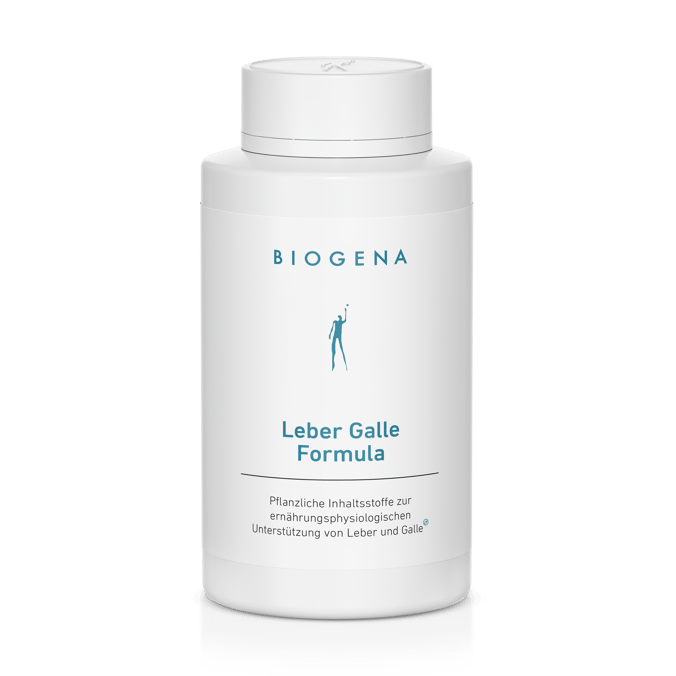
Formula Jetra i ŽučBiljni dodatak prehrani za jetru i žuč – sa sikavicom i artičokom
57,90 €
Biogena Essentials
Basogena® 5 – alkalni prahPrašak za bazen sa odabranim mineralnim spojevima za kiselo-baznu ravnotežu
43,90 €

Biogena Essentials
NitroStress® Formula ISpecijalni preparat s kurkuminom, taurinom i pet vitamina iz B kompleksa
34,90 €


Biogena Essentials
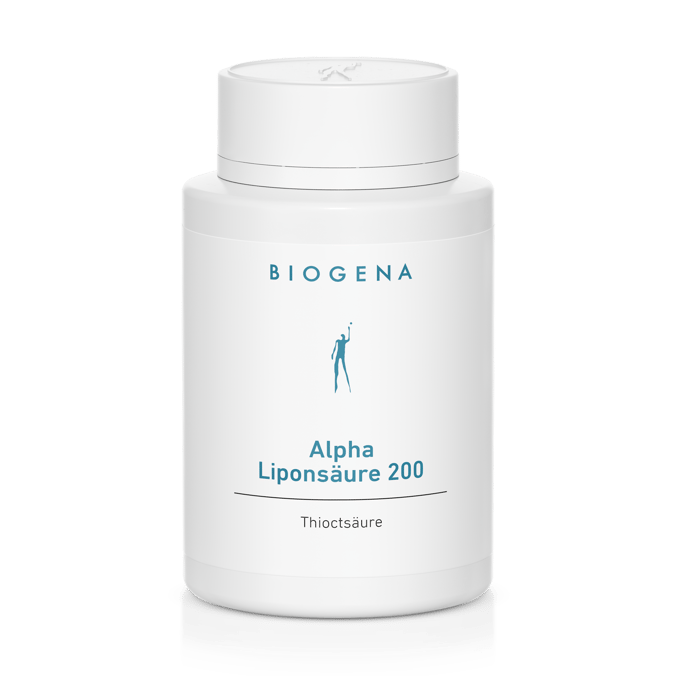
Alfa-lipoična kiselina 200Jednostavni pripravak od R-alfa-lipoične kiseline
39,90 €
Biogena Essentials
OPC PolyMax® 250/30Prirodni kompleks djelatnih tvari s bioaktivnim biljnim spojevima
39,90 €
Kategorija
Što stoji iza detoks proizvoda – trend ili stvarna podrška?
Detoks zvuči kao trend? Fer. No, koncept iza njega nipošto nije površan. Iako je vaše tijelo sposobno za stalnu detoksikaciju, današnji svijet donosi dodatne izazove: toksini iz okoliša, zagađivači, lijekovi i neuravnotežena prehrana mogu preopteretiti prirodne sustave. Tu na scenu stupaju visokokvalitetni dodaci za detoksikaciju i čišćenje – oni pružaju podršku točno ondje gdje je vašem tijelu najpotrebnija: u ravnoteži kiselina i baza, antioksidativnoj zaštiti ili eliminaciji metaboličkih ostataka.
Kako djeluju detoks kapsule, prahovi i tablete?
Nisu svi detoks proizvodi isti – i upravo u tome leži njihova snaga. Neki osiguravaju ključne mikronutrijente, takozvane kofaktore, koji su vašem tijelu potrebni za obradu i izlučivanje otpadnih tvari. Drugi pomažu u razgradnji određenih tvari ili u njihovom izbacivanju iz tijela. Ovisno o sastojcima, ciljaju različite faze prirodnih procesa detoksikacije i čišćenja vašeg organizma.
BIOGENA Detox: pametna kvaliteta, stvarni učinak
Nudimo širok izbor ciljanih detoks dodataka prehrani koji podržavaju prirodne puteve čišćenja Vašeg tijela – od funkcije jetre i bubrega, do zdravlja crijeva, ravnoteže kiselina i baza, eliminacije teških metala i antioksidativne zaštite. Također ćete pronaći proizvode koji pomažu kod oksidativnog i nitrozativnog stresa ili nadoknađuju specifične mikronutrijente. Na taj način možete kreirati vlastitu detoks rutinu – prilagođenu onome što Vašem tijelu najviše treba.
Kratak pregled najvažnijih BIOGENA detox proizvoda trenutno dostupnih
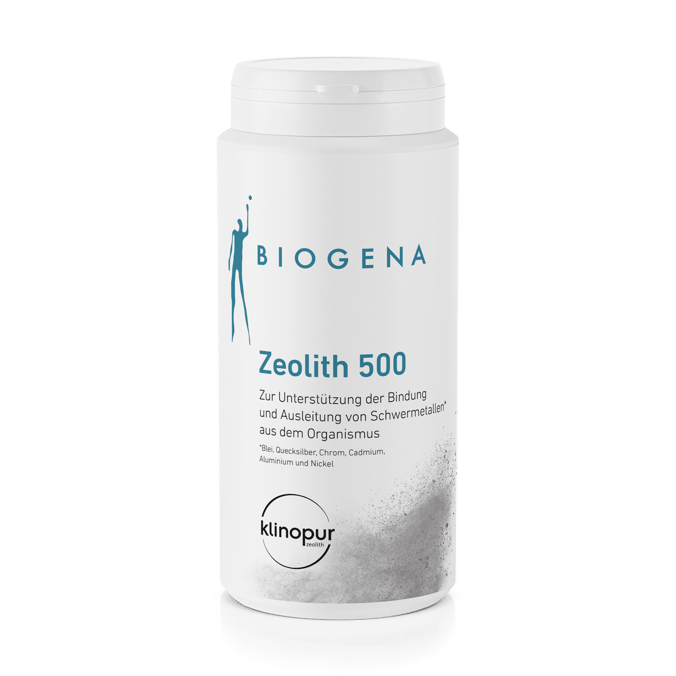
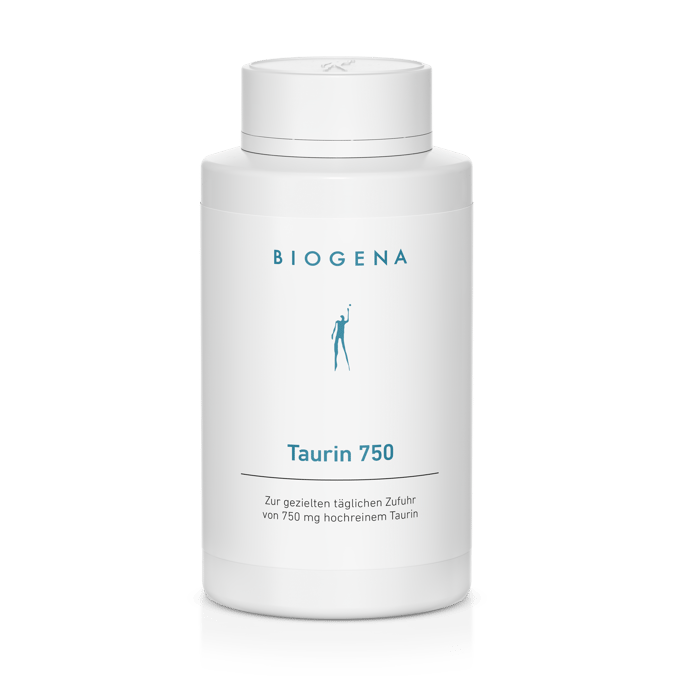
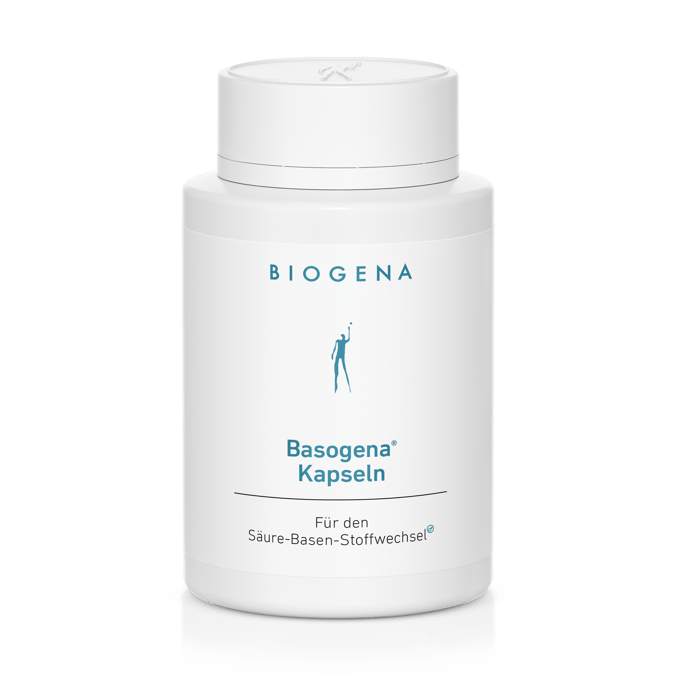
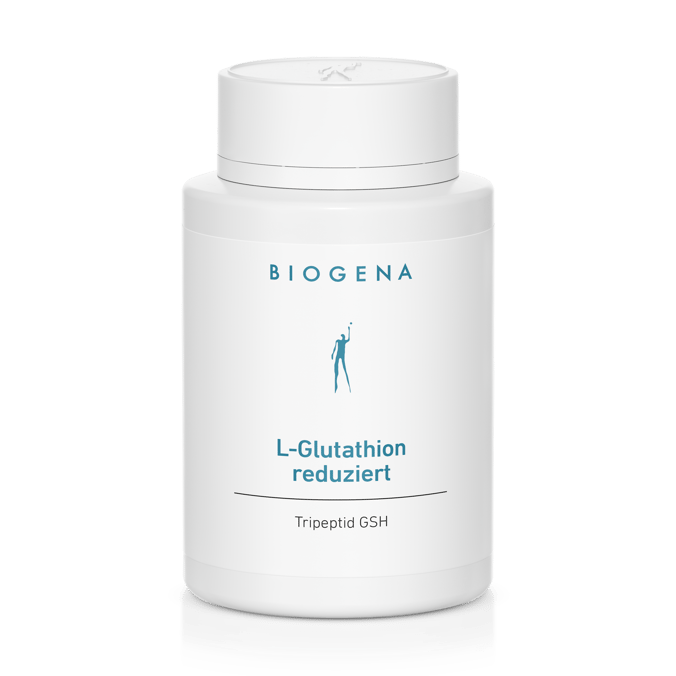
Povećanje sposobnosti detoksikacije | Izlučivanje teških metala, lijekova i toksina iz okoliša | Izlučivanje viška kiselina | Detoksikacija kisikovih radikala | Detoksikacija dušikovih radikala | |
|---|---|---|---|---|---|
|
|
|
|
| |
|
|
|
|
| |
|
|
|
|
| |
|
|
|
|
| |
|
|
|
|
| |
|
|
|
|
| |
|
|
|
|
| |
|
|
|
|
| |
|
|
|
|
| |
|
|
|
|
| |
|
|
|
|
| |
|
|
|
|
| |
|
|
|
|
| |
|
|
|
|
|


posebno preporučeno

preporučeno

nema poznatog djelovanja
FAQs
Pitanja o detoksikaciji ili BIOGENA detoks proizvodima? Donosimo odgovore:
Reference
BIOGENA časopisi
Martin, M. 2011. Gesundes Entgiften - Regulationstherapien richtig anwenden. Biogena Inside. 2(1).
Greilberger, J. 2011. Taurin als neuer NO*-Fänger bei nitrosativem Stress.Biogena Inside.
Znanstvena literatura
Schmidbauer C, Hofstätter G. et al. 2020. Mikronährstoffcoach. Das große BIOGENA-Kompendium der Nährstoffe. Verlagshaus der Ärzte. 1158 Seiten, 4. aktualisierte und erweiterte Auflage. www.mikronährstoffcoach.com .
Gröber, U. Mikronährstoffe: Metabolic Tuning – Prävention – Therapie, 3. völlig überarbeitete und erweiterte Auflage. Stuttgart: Wissenschaftliche Verlagsgesellschaft Stuttgart, 2011.
Martin, M. Labormedizin in der Naturheilkunde, 3. Auflage. München:Elsevier GmbH, 2006.
Hahn, A. et al. Ernährung: Physiologische Grundlagen, Prävention, Therapie, 2. Auflage. Stuttgart:
Wissenschaftliche Gröber, U. Orthomolekulare Medizin: Ein Leitfaden für Apotheker und Ärzte, 3. unveränderte Auflage. Stuttgart: Wissenschaftliche Verlagsgesellschaft Stuttgart, 2008.
Watzl, B., Leitzmann, C. Bioaktive Substanzen in Lebensmitteln, 3. Unver änderte Auflage. Stuttgart: Hippokrates Verlag, 2005.
Gröber, U. Orthomolekulare Medizin: Ein Leitfaden für Apotheker und Ärzte, 3. unveränderte Auflage. Stuttgart: Wissenschaftliche Verlagsgesellschaft Stuttgart, 2008.
Ploss, O. Moderne Praxis bewährter Regulationstherapien: Entgiftung und Ausleitung, Säure-Basen-Haushalt, Darmsanierung, 1. Auflage. Stuttgart: MVS Medizinverlage, 2007.
Worlitschek, M. Praxis des Säure-Basen-Haushalts: Grundlagen und Therapie, 6. Auflage. Stuttgart: Haug-Verlag, 2008. 2008.
Löffler, G. Basiswissen Biochemie mit Pathobiochemie, 7. Auflage. Heidelberg: Springer-Verlag GmbH, 2008.
Kliničke studije
Hofmann, T. et al. 2009. Modulation of detoxification enzymes by watercress: in vitro and in vivo investigations in human peripheral blood cells. Eur J Nutr. 48(8):483-91.
Schreiber, H. 2000. Entgiftung und Ausleitung von Quecksilber. Der freie Arzt. Nr 2.
Higdon, J. V. et al. 2007. Cruciferous vegetables and human cancer risk: epidemiologic evidence and mechanistic basis. Pharmacol Res. 55(3):224-36.
Bagchi D, Bagchi M, Stohs SJ, Ray SD, Sen CK, Preuss HG, „Cellular protection with proanthocyanidins derived from grape seeds“, Ann. N. Y. Acad. Sci., Mai 2002; Bd. 957:260–270
Afzal M, Safer AM, Menon M, „Green tea polyphenols and their potential role in health and disease“, Inflammopharmacology, Aug. 2015; Bd. 23, Nr. 4:151–161
Asha Devi S, Sagar Chandrasekar BK, Manjula KR, Ishii N, „Grape seed proanthocyanidin lowers brain oxidative stress in adult and middle-aged rats“, Experimental Gerontology, Nov. 2011; Bd. 46, Nr. 11:958–9.
Trachtman, H., Sturman, J. A. 1996. Taurine: A therapeutic agent in experimental kidney disease. Amino Acids. 11:1-13.
Yu, L. L. et al. 2009. Beneficial health properties of psyllium and approaches to improve its functionalities. Adv Food Nutr Res. 55:193-220.
Singh, B. 2007. Psyllium as therapeutic and drug delivery agent. Int J Pharm. 334(1-2):1-14.
Anderson, J. W. et al. 2009. Health benefits of dietary fiber. Nutr Rev. 67(4):188-205.
Davis, C. D., Milner, J. A. 2009. Gastrointestinal microflora, food components and colon cancer prevention. J Nutr Biochem. 20(10):743-52.
Yang, C. S., Wang, H. 2016. Cancer Preventive Activities of Tea Catechins.Molecules. 21(12).
Huang, Y. et al. 2017. Association between green tea intake and risk of gastric cancer: a systematic review and dose-response meta-analysis of observational studies. Public Health Nutr. 20(17):3183–92.
Chen, Y. et al. 2017. An inverse association between tea consumption and colorectal cancer risk. Oncotarget. 8(23):37367–76.
Ui, A. et al. 2009. Green tea consumption and the risk of liver cancer in Japan: the Ohsaki Cohort study. Cancer Causes Control. 20(10):1939–45.
Queiroz, M. L. et al. 2003. Protective effects of Chlorella vulgaris in lead-exposed mice infected with Listeria monocytogenes. Int Immunopharmacol. 3(6):889-900.
Ni, C. X. et al. 2017. Green Tea Consumption and the Risk of Liver Cancer: A Meta-Analysis. Nutr Cancer. 69(2):211–20.
Kim, C. Y. et al. 2009. Neuroprotective effect of epigallocatechin-3-gallate against β-amyloid-induced oxidative and nitrosative cell death via augmentation of antioxidant defense capacity. Arch Pharm
Res. 32(6): 869–81.
Chen, L. et al. 2017. Therapeutic properties of green tea against environmental insults. J Nutr Biochem. 40:1–13.
Nacerai, H. et al. 2017. Green tea beverage and epigallocatechin gallate attenuate nicotine cardiocytotoxicity in rat. Acta Pol Pharm. 74(1):277–87.
Al-Awaida, W. et al. 2014. Chinese green tea consumption reduces oxidative stress, inflammation and tissues damage in smoke exposed rats. Iran J Basic Med Sci. 17(10):740–6.
Begum, M. S. et al. 2017. Influence of green tea consumption on cigarette smoking-induced biochemical changes in plasma and blood. Clin Nutr Exper. 16:1–12.
Golden, E. B. et al. 2009. Green tea polyphenols block the anticancer effects of bortezomib and other boronic acid-based proteasome inhibitors. Blood. 113(23):5827–37.
Negrisanu, G. et al. 1999. Effects of 3-month treatment with the antioxidant alpha-lipoic acid in diabetic peripheral neuropathy. Rom J Intern Med. 37(3):297-306.
Farwell, W. R., Taylor, E. N. 2010. Serum anion gap, bicarbonate and biomarkers of inflammation in healthy individuals in a national survey. CMAJ. 182(2):137-41.
Kalinina, E. V. et al. 2014. Role of glutathione, glutathione transferase, and glutaredoxin in regulation of redox-dependent processes. Biochemistry (Mosc). 79(13):1562-83.
Deponte, M. 2013. Glutathione catalysis and the reaction mechanisms of glutathione-dependent enzymes. Biochim Biophys Acta. 1830(5):3217–66.
Hou, Y. et al. 2015. N-acetylcysteine and intestinal health: a focus on its mechanism of action. Front Biosci (Landmark Ed). 20:872–91.
Ashoori, M., Saedisomeolia, A. 2014. Riboflavin (vitamin B(2)) and oxidative stress: a review. Br J Nutr. 111(11):1985-91.
El-Beshbishy, H. A. et al. 2013. Lipoic acid mitigates bisphenol A-induced testicular mitochondrial toxicity in rats. Toxicol Ind Health. 29(10):875–87.
Lebda, M. A. et al. 2015. The effect of lipoic acid on acrylamide-induced neuropathy in rats with reference to biochemical, hematological, and behavioral alterations. Pharm Biol. 53(8):1207-13.
Asci, H. et al. 2015. The impact of alpha-lipoic acid on amikacin-induced nephrotoxicity. Ren Fail. 37(1):117–21.
Yeh, C. C. et al. 2005. Superoxide anion radical, lipid peroxides and antioxidant status in the blood of patients with breast cancer. Clin Chim Acta. 361(1-2):104-11.
Huber, W., Messerschmitt, T. M. 2006. Entzündungssyndrom: Erfahrungen, Diagnose und begleitende Maßnahmen mit Antioxidantien. Zs f Orthomol Med. 1:16-21.
Locigno, R. et al. 2002. S-acetyl-glutathione selectively induces apoptosis in human lymphoma cells through a GSH-independent mechanism. Int J Oncol. 20(1):69-75.
Donnerstag, B. et al. 1996. Reduced glutathione and S-acetylglutathione as selective apoptosis-inducing agents in cancer therapy. Cancer Lett. 110(1-2):63-70.
Dalhoff, K. et al. 1992. Glutathione treatment of hepatocellular carcinoma. Liver. 12(5):341-3.
Maher, P. 2005. The effects of stress and aging on glutathione metabolism. Ageing Res Rev. 4(2):288-314.
Ruan, E. et al. Glutathione levels in chronic inflammatory disorders of the human colon. Nut Research.17(3):463-73.
Wegener, T., Fintelmann V. 1999. Pharmacological properties and therapeutic profile of artichoke (Cynara scolymus L.). Wien Med Wochenschr. 149(8-10):241-7.
Buang, Y. et al. 2005. Dietary phosphatidylcholine alleviates fatty liver induced by orotic acid. Nutrition. 21(7-8):867-73.
Monographie Kommission E. 1988. Lecithinium ex soja. Bundesanzeiger. 85.
emitan, O. K., Izegbu, M. C. 2006. Protective effects of Zingiber officinale (Zingiberaceae) against carbon tetrachloride and acetaminophen-induced hepatotoxicity in rats. Phytother Res. 20(11):997-1002.
Shukla, Y., Singh, M. 2007. Cancer preventive properties of ginger: a brief review. Food Chem Toxicol. 45(5):683-90.
Förstermann, U., Münzel, T. 2006. Endothelial nitric oxide synthase in vascular disease: from marvel to menace. Circulation. 113(13):1708-14.
Kuklinski, B. 2008. Praxisrelevanz des nitrosativen Stresses. OM & Ernährung. 124:F2-F19.
Pall, M. L. 2007. Nitric oxide synthase partial uncoupling as a key switching mechanism for the NO/ONOO- cycle. Med Hypotheses. 69(4):821-5.
Sreejayan, M. N. A. R. 1997. Nitric oxide scavenging by curcuminoids. J Pharm Pharmacol. 49(1):105-7. 1. Auflage. Oxford: Routledge Tylor & Francis Group Ltd, 2007.
Erdamar, H. et al. 2007. The relationship between taurine and 3-nitrotyrosine level of hepatocytes in experimental endotoxemia. Neurochem Res. 32(11):1965-8.
Kraljević Pavelić, S. et al. 2018. Critical Review on Zeolite Clinoptilolite Safety and Medical Applications in vivo. Front Pharmacol. 9:1350.
Blanchard, G. et al. 1984. Removal of heavy metals from waters by means of natural zeolites. Water Res. 18:1501–7.
Zamzow, M. J. et al. 1990. Removal of heavy metals and other cations from wastewater using zeolites. Sep Sci Technol. 25(13–15):1555–69.
Erdem, E. et al. 2004. The removal of heavy metal cations by natural zeolites. J Colloid Interface Sci. 280(2):309–14.
Yao, C. K. et al. 2016. Review article: insights into colonic protein fermentation, its modulation and potential health implications. Aliment Pharmacol Ther. 43(2):181–96.
Gandy, J. J. et al. 2015. Potentiated clinoptilolite reduces signs and symptoms associated with veisalgia. Clin Exp Gastroenterol. 8:271–7.
Flowers, J. et al. 2009. Clinical evidence supporting the use of an activated clinoptilolite suspension as an agent to increase urinary excretion of toxic heavy metals. Nutr Diet Suppl. 1:11–8.
Karampathsis, E. 2012. Zeolite: Investigation of the Effectiveness and Safety as an Oral Chelating Agent for Heavy Metals. A comparison between different commercially available preparations. Original study. Scottsdale, Arizona. S. 1–12.
Shakov, Y. I. 2003. [Klinische Studie zur Wirkung von Litovit bei der Ausleitung von Schwermetallen aus dem menschlichen Körper.] Forschungsbericht der Tshelbinsker Staatlichen Medizinischen
Prijavite se na newsletter i osigurajte 10 €
Prijavite se na naš newsletter, ostvarite svoj osobni kupon u vrijednosti od 10 € i veselíte se zanimljivim uvidima u aktualne novitete proizvoda, nagradne igre i savjete za zdravlje – kako bismo Vas na Vašem putu prema boljem osjećaju pratili na najbolji mogući način.