

Suplimente pentru detoxifierea organismului
Viața noastră de zi cu zi este solicitantă – iar asta include și sistemele naturale de detoxifiere ale organismului. De aceea, este cu atât mai bine să oferiți ficatului, rinichilor și altor organe un sprijin țintit prin nutrienți selectați și suplimente pentru detoxifiere, care susțin propriile procese naturale de curățare ale organismului.
Filtre și sortare
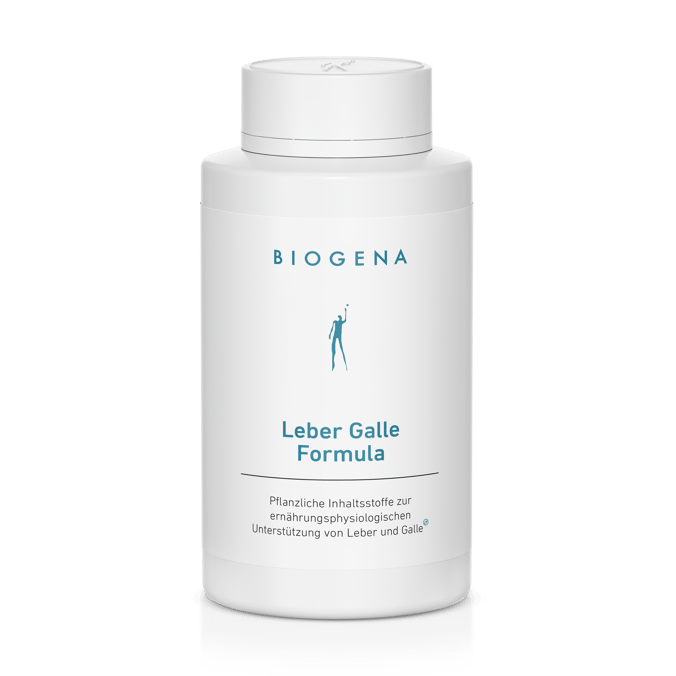
Biogena Essentials
Formula Ficat BilăComplex vegetal pentru ficat și vezica biliară – cu armurariu și anghinare
57,90 EUR
Biogena Essentials
Pulbere de bază Basogena® 5Pulbere alcalinizantă cu compuși minerali selectați pentru echilibrul acido-bazic
43,90 EUR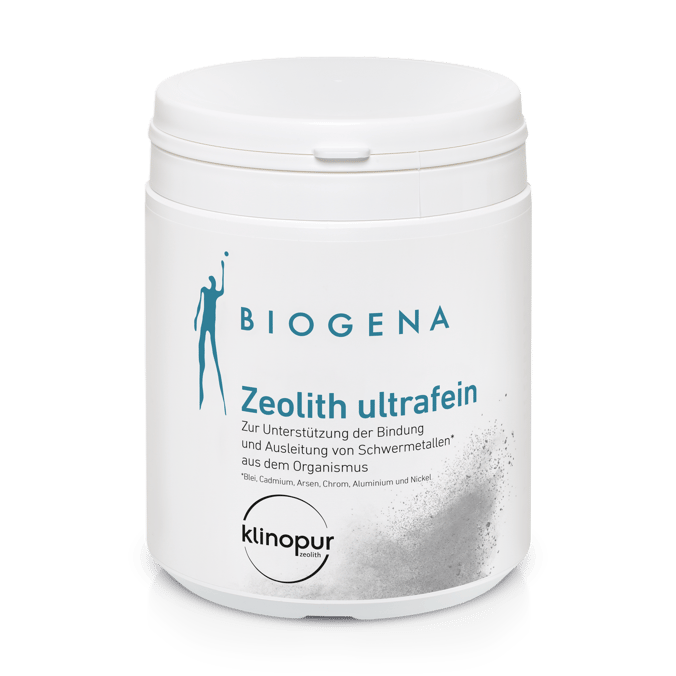
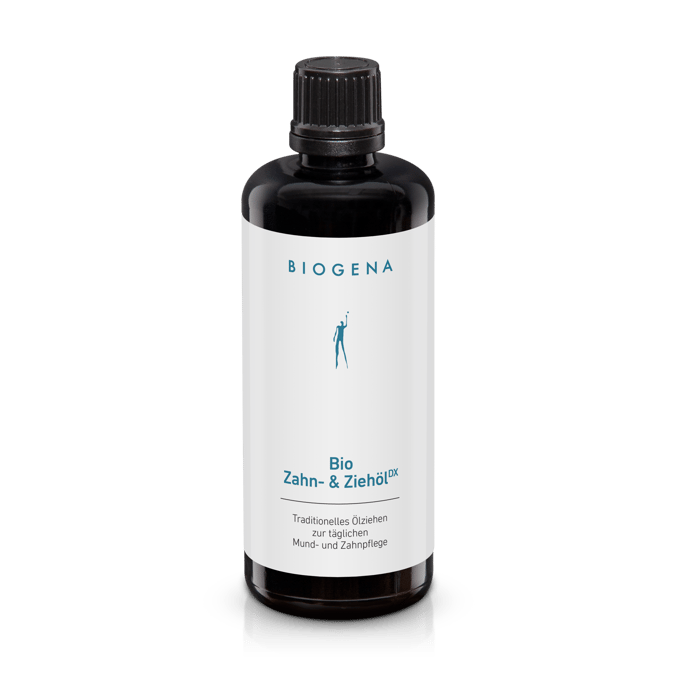
Biogena Essentials
Ulei biologic pentru dinți și oil pulling DXPentru îngrijirea zilnică a gurii și dinților
24,90 EUR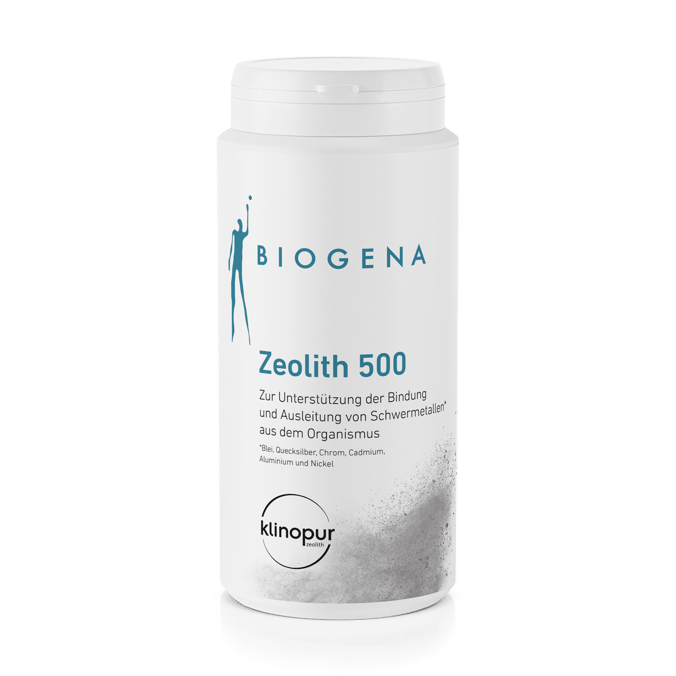

Biogena Essentials
NitroStress® Formula IPreparat special cu curcumin, taurină și cinci vitamine din complexul B
34,90 EUR
Biogena Essentials
NitroStress® Formula IIPentru susținerea în cazul stresului nitrosativ și oxidativ
55,90 EUR
Biogena Essentials
Chlorella Pur C plusCapsule pentru un aport țintit de alge chlorella bogate în clorofilă
36,90 EUR

Categorie
Ce se ascunde cu adevărat în spatele produselor detox?
Produsele pentru detoxifiere par o modă? Așa este – însă ideea din spatele lor este mult mai profundă. Deși corpul nostru este conceput să elimine în mod continuu substanțele nedorite, stresurile moderne precum poluarea aerului, toxinele, medicamentele și o alimentație dezechilibrată pot pune o presiune mare pe sistemele naturale ale organismului.
Aici intervin suplimentele pentru detoxifiere de înaltă calitate: acestea oferă un sprijin țintit acolo unde procesul natural de detoxifiere al organismului are cea mai mare nevoie – de exemplu, în menținerea echilibrului acido-bazic, echilibrului antioxidant sau în eliminarea produselor reziduale metabolice.
Cum acționează capsulele, pulberile, tabletele și alte produse detox?
Nu toate produsele detox sunt la fel – și tocmai acesta este avantajul lor. Unele furnizează micronutrienți esențiali, așa-numiți cofactori, de care organismul are nevoie pentru procesul de detoxifiere. Altele susțin descompunerea anumitor substanțe sau ajută la eliminarea lor. În funcție de compoziție, acestea însoțesc diferite etape ale proceselor de detoxifiere ale organismului.
Cumpărați produse detox de la BIOGENA: calitate care funcționează – pentru că este bine gândită
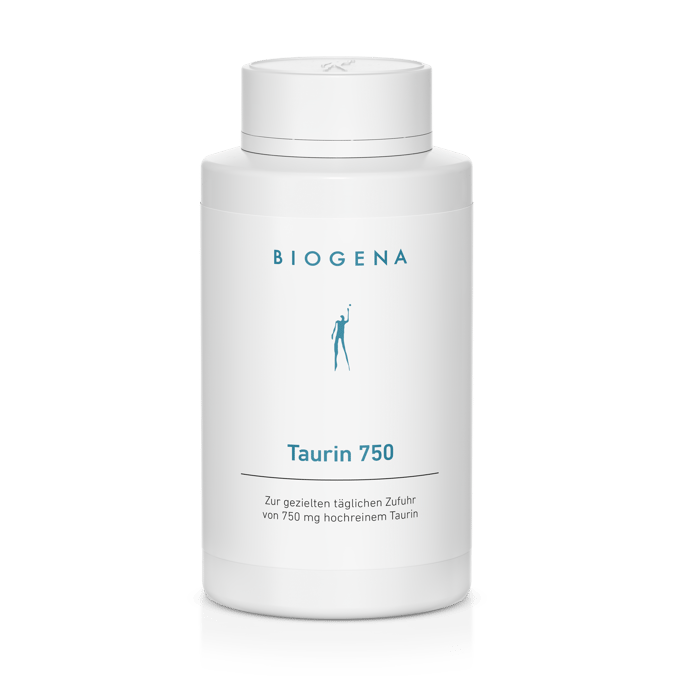
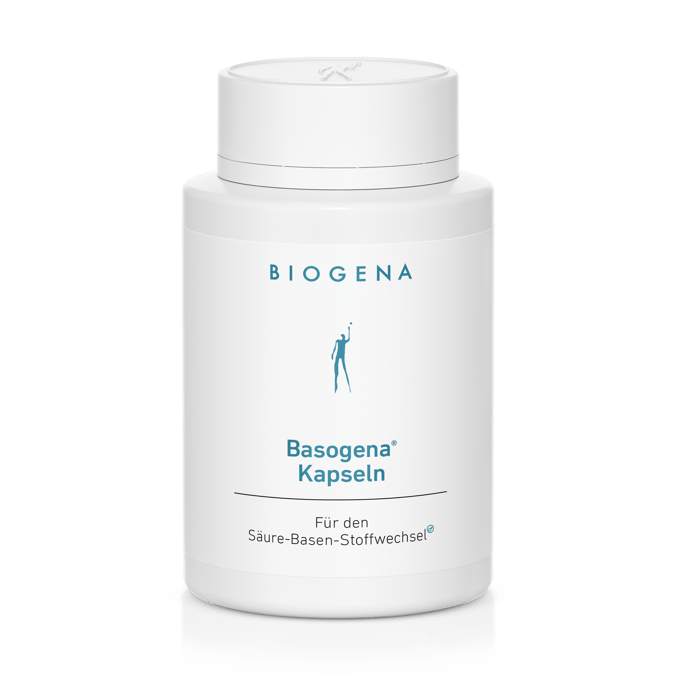
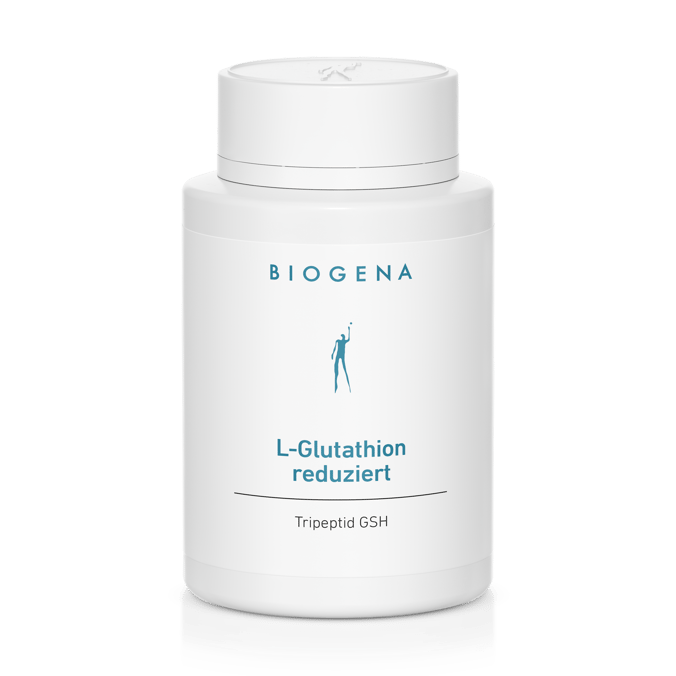
Oferim o gamă largă de preparate detox care susțin în mod specific diferite zone ale procesului de detoxifiere al organismului: de la funcția hepatică și renală, la intestin și echilibrul acido-bazic, până la eliminarea metalelor grele și echilibrul antioxidant. Veți găsi produse potrivite și pentru stresul oxidativ și nitrozativ, precum și pentru un necesar crescut de anumite micronutrienți. Astfel, vă puteți personaliza rutina de detoxifiere în mod eficient, în funcție de nevoile actuale ale organismului.
O scurtă prezentare a celor mai importante produse BIOGENA Detox disponibile în prezent
Intensificarea procesului de detoxifiere | Eliminarea metalelor grele, medicamentelor și toxinelor din mediu | Eliminarea excesului de acizi | Detoxifierea radicalilor de oxigen | Detoxifierea radicalilor de azotați | ||
|---|---|---|---|---|---|---|
|
|
|
|
| ||
|
|
|
|
| ||
|
|
|
|
| ||
|
|
|
|
| ||
|
|
|
|
| ||
|
|
|
|
| ||
|
|
|
|
| ||
|
|
|
|
| ||
|
|
|
|
| ||
|
|
|
|
| ||
|
|
|
|
| ||
|
|
|
|
| ||
|
|
|
|
| ||
|
|
|
|
|


recomandat în special

recomandat

niciun efect cunoscut
Întrebări frecvente
Aveți întrebări despre produsele detox și despre detoxifiere? Vă ajutăm cu plăcere!
Referințe
Reviste de specialitate BIOGENA
Martin, M. 2011. Gesundes Entgiften - Regulationstherapien richtig anwenden. Biogena Inside. 2(1).
Greilberger, J. 2011. Taurin als neuer NO*-Fänger bei nitrosativem Stress.Biogena Inside.
Cărți științifice de specialitate
Schmidbauer C, Hofstätter G. et al. 2020. Mikronährstoffcoach. Das große BIOGENA-Kompendium der Nährstoffe. Verlagshaus der Ärzte. 1158 Seiten, 4. aktualisierte und erweiterte Auflage. www.mikronährstoffcoach.com .
Gröber, U. Mikronährstoffe: Metabolic Tuning – Prävention – Therapie, 3. völlig überarbeitete und erweiterte Auflage. Stuttgart: Wissenschaftliche Verlagsgesellschaft Stuttgart, 2011.
Martin, M. Labormedizin in der Naturheilkunde, 3. Auflage. München:Elsevier GmbH, 2006.
Hahn, A. et al. Ernährung: Physiologische Grundlagen, Prävention, Therapie, 2. Auflage. Stuttgart:
Wissenschaftliche Gröber, U. Orthomolekulare Medizin: Ein Leitfaden für Apotheker und Ärzte, 3. unveränderte Auflage. Stuttgart: Wissenschaftliche Verlagsgesellschaft Stuttgart, 2008.
Watzl, B., Leitzmann, C. Bioaktive Substanzen in Lebensmitteln, 3. Unver änderte Auflage. Stuttgart: Hippokrates Verlag, 2005.
Gröber, U. Orthomolekulare Medizin: Ein Leitfaden für Apotheker und Ärzte, 3. unveränderte Auflage. Stuttgart: Wissenschaftliche Verlagsgesellschaft Stuttgart, 2008.
Ploss, O. Moderne Praxis bewährter Regulationstherapien: Entgiftung und Ausleitung, Säure-Basen-Haushalt, Darmsanierung, 1. Auflage. Stuttgart: MVS Medizinverlage, 2007.
Worlitschek, M. Praxis des Säure-Basen-Haushalts: Grundlagen und Therapie, 6. Auflage. Stuttgart: Haug-Verlag, 2008. 2008.
Löffler, G. Basiswissen Biochemie mit Pathobiochemie, 7. Auflage. Heidelberg: Springer-Verlag GmbH, 2008.
Studii
Hofmann, T. et al. 2009. Modulation of detoxification enzymes by watercress: in vitro and in vivo investigations in human peripheral blood cells. Eur J Nutr. 48(8):483-91.
Schreiber, H. 2000. Entgiftung und Ausleitung von Quecksilber. Der freie Arzt. Nr 2.
Higdon, J. V. et al. 2007. Cruciferous vegetables and human cancer risk: epidemiologic evidence and mechanistic basis. Pharmacol Res. 55(3):224-36.
Bagchi D, Bagchi M, Stohs SJ, Ray SD, Sen CK, Preuss HG, „Cellular protection with proanthocyanidins derived from grape seeds“, Ann. N. Y. Acad. Sci., Mai 2002; Bd. 957:260–270
Afzal M, Safer AM, Menon M, „Green tea polyphenols and their potential role in health and disease“, Inflammopharmacology, Aug. 2015; Bd. 23, Nr. 4:151–161
Asha Devi S, Sagar Chandrasekar BK, Manjula KR, Ishii N, „Grape seed proanthocyanidin lowers brain oxidative stress in adult and middle-aged rats“, Experimental Gerontology, Nov. 2011; Bd. 46, Nr. 11:958–9.
Trachtman, H., Sturman, J. A. 1996. Taurine: A therapeutic agent in experimental kidney disease. Amino Acids. 11:1-13.
Yu, L. L. et al. 2009. Beneficial health properties of psyllium and approaches to improve its functionalities. Adv Food Nutr Res. 55:193-220.
Singh, B. 2007. Psyllium as therapeutic and drug delivery agent. Int J Pharm. 334(1-2):1-14.
Anderson, J. W. et al. 2009. Health benefits of dietary fiber. Nutr Rev. 67(4):188-205.
Davis, C. D., Milner, J. A. 2009. Gastrointestinal microflora, food components and colon cancer prevention. J Nutr Biochem. 20(10):743-52.
Yang, C. S., Wang, H. 2016. Cancer Preventive Activities of Tea Catechins.Molecules. 21(12).
Huang, Y. et al. 2017. Association between green tea intake and risk of gastric cancer: a systematic review and dose-response meta-analysis of observational studies. Public Health Nutr. 20(17):3183–92.
Chen, Y. et al. 2017. An inverse association between tea consumption and colorectal cancer risk. Oncotarget. 8(23):37367–76.
Ui, A. et al. 2009. Green tea consumption and the risk of liver cancer in Japan: the Ohsaki Cohort study. Cancer Causes Control. 20(10):1939–45.
Queiroz, M. L. et al. 2003. Protective effects of Chlorella vulgaris in lead-exposed mice infected with Listeria monocytogenes. Int Immunopharmacol. 3(6):889-900.
Ni, C. X. et al. 2017. Green Tea Consumption and the Risk of Liver Cancer: A Meta-Analysis. Nutr Cancer. 69(2):211–20.
Kim, C. Y. et al. 2009. Neuroprotective effect of epigallocatechin-3-gallate against β-amyloid-induced oxidative and nitrosative cell death via augmentation of antioxidant defense capacity. Arch Pharm
Res. 32(6): 869–81.
Chen, L. et al. 2017. Therapeutic properties of green tea against environmental insults. J Nutr Biochem. 40:1–13.
Nacerai, H. et al. 2017. Green tea beverage and epigallocatechin gallate attenuate nicotine cardiocytotoxicity in rat. Acta Pol Pharm. 74(1):277–87.
Al-Awaida, W. et al. 2014. Chinese green tea consumption reduces oxidative stress, inflammation and tissues damage in smoke exposed rats. Iran J Basic Med Sci. 17(10):740–6.
Begum, M. S. et al. 2017. Influence of green tea consumption on cigarette smoking-induced biochemical changes in plasma and blood. Clin Nutr Exper. 16:1–12.
Golden, E. B. et al. 2009. Green tea polyphenols block the anticancer effects of bortezomib and other boronic acid-based proteasome inhibitors. Blood. 113(23):5827–37.
Negrisanu, G. et al. 1999. Effects of 3-month treatment with the antioxidant alpha-lipoic acid in diabetic peripheral neuropathy. Rom J Intern Med. 37(3):297-306.
Farwell, W. R., Taylor, E. N. 2010. Serum anion gap, bicarbonate and biomarkers of inflammation in healthy individuals in a national survey. CMAJ. 182(2):137-41.
Kalinina, E. V. et al. 2014. Role of glutathione, glutathione transferase, and glutaredoxin in regulation of redox-dependent processes. Biochemistry (Mosc). 79(13):1562-83.
Deponte, M. 2013. Glutathione catalysis and the reaction mechanisms of glutathione-dependent enzymes. Biochim Biophys Acta. 1830(5):3217–66.
Hou, Y. et al. 2015. N-acetylcysteine and intestinal health: a focus on its mechanism of action. Front Biosci (Landmark Ed). 20:872–91.
Ashoori, M., Saedisomeolia, A. 2014. Riboflavin (vitamin B(2)) and oxidative stress: a review. Br J Nutr. 111(11):1985-91.
El-Beshbishy, H. A. et al. 2013. Lipoic acid mitigates bisphenol A-induced testicular mitochondrial toxicity in rats. Toxicol Ind Health. 29(10):875–87.
Lebda, M. A. et al. 2015. The effect of lipoic acid on acrylamide-induced neuropathy in rats with reference to biochemical, hematological, and behavioral alterations. Pharm Biol. 53(8):1207-13.
Asci, H. et al. 2015. The impact of alpha-lipoic acid on amikacin-induced nephrotoxicity. Ren Fail. 37(1):117–21.
Yeh, C. C. et al. 2005. Superoxide anion radical, lipid peroxides and antioxidant status in the blood of patients with breast cancer. Clin Chim Acta. 361(1-2):104-11.
Huber, W., Messerschmitt, T. M. 2006. Entzündungssyndrom: Erfahrungen, Diagnose und begleitende Maßnahmen mit Antioxidantien. Zs f Orthomol Med. 1:16-21.
Locigno, R. et al. 2002. S-acetyl-glutathione selectively induces apoptosis in human lymphoma cells through a GSH-independent mechanism. Int J Oncol. 20(1):69-75.
Donnerstag, B. et al. 1996. Reduced glutathione and S-acetylglutathione as selective apoptosis-inducing agents in cancer therapy. Cancer Lett. 110(1-2):63-70.
Dalhoff, K. et al. 1992. Glutathione treatment of hepatocellular carcinoma. Liver. 12(5):341-3.
Maher, P. 2005. The effects of stress and aging on glutathione metabolism. Ageing Res Rev. 4(2):288-314.
Ruan, E. et al. Glutathione levels in chronic inflammatory disorders of the human colon. Nut Research.17(3):463-73.
Wegener, T., Fintelmann V. 1999. Pharmacological properties and therapeutic profile of artichoke (Cynara scolymus L.). Wien Med Wochenschr. 149(8-10):241-7.
Buang, Y. et al. 2005. Dietary phosphatidylcholine alleviates fatty liver induced by orotic acid. Nutrition. 21(7-8):867-73.
Monographie Kommission E. 1988. Lecithinium ex soja. Bundesanzeiger. 85.
emitan, O. K., Izegbu, M. C. 2006. Protective effects of Zingiber officinale (Zingiberaceae) against carbon tetrachloride and acetaminophen-induced hepatotoxicity in rats. Phytother Res. 20(11):997-1002.
Shukla, Y., Singh, M. 2007. Cancer preventive properties of ginger: a brief review. Food Chem Toxicol. 45(5):683-90.
Förstermann, U., Münzel, T. 2006. Endothelial nitric oxide synthase in vascular disease: from marvel to menace. Circulation. 113(13):1708-14.
Kuklinski, B. 2008. Praxisrelevanz des nitrosativen Stresses. OM & Ernährung. 124:F2-F19.
Pall, M. L. 2007. Nitric oxide synthase partial uncoupling as a key switching mechanism for the NO/ONOO- cycle. Med Hypotheses. 69(4):821-5.
Sreejayan, M. N. A. R. 1997. Nitric oxide scavenging by curcuminoids. J Pharm Pharmacol. 49(1):105-7. 1. Auflage. Oxford: Routledge Tylor & Francis Group Ltd, 2007.
Erdamar, H. et al. 2007. The relationship between taurine and 3-nitrotyrosine level of hepatocytes in experimental endotoxemia. Neurochem Res. 32(11):1965-8.
Kraljević Pavelić, S. et al. 2018. Critical Review on Zeolite Clinoptilolite Safety and Medical Applications in vivo. Front Pharmacol. 9:1350.
Blanchard, G. et al. 1984. Removal of heavy metals from waters by means of natural zeolites. Water Res. 18:1501–7.
Zamzow, M. J. et al. 1990. Removal of heavy metals and other cations from wastewater using zeolites. Sep Sci Technol. 25(13–15):1555–69.
Erdem, E. et al. 2004. The removal of heavy metal cations by natural zeolites. J Colloid Interface Sci. 280(2):309–14.
Yao, C. K. et al. 2016. Review article: insights into colonic protein fermentation, its modulation and potential health implications. Aliment Pharmacol Ther. 43(2):181–96.
Gandy, J. J. et al. 2015. Potentiated clinoptilolite reduces signs and symptoms associated with veisalgia. Clin Exp Gastroenterol. 8:271–7.
Flowers, J. et al. 2009. Clinical evidence supporting the use of an activated clinoptilolite suspension as an agent to increase urinary excretion of toxic heavy metals. Nutr Diet Suppl. 1:11–8.
Karampathsis, E. 2012. Zeolite: Investigation of the Effectiveness and Safety as an Oral Chelating Agent for Heavy Metals. A comparison between different commercially available preparations. Original study. Scottsdale, Arizona. S. 1–12.
Shakov, Y. I. 2003. [Klinische Studie zur Wirkung von Litovit bei der Ausleitung von Schwermetallen aus dem menschlichen Körper.] Forschungsbericht der Tshelbinsker Staatlichen Medizinischen
Înscrieți-vă la newsletter și primiți 10€
Înscrieți-vă la newsletter-ul nostru, primiți voucherul personal de 10€ și bucurați-vă de informații interesante despre noutățile actuale în materie de produse, concursuri și sfaturi pentru sănătate – astfel veți avea un companion optim în călătoria spre starea de bine.