

Suplementos para desintoxicar el cuerpo
Nuestro día a día exige mucho, también de nuestros sistemas naturales de desintoxicación. Por eso, es una buena idea darle un impulso a tu cuerpo: apoyando a hígado, riñones y compañía con nutrientes seleccionados y suplementos detox que acompañan tus propios procesos de limpieza interna.
Filtros y ordenación
Biogena Essentials
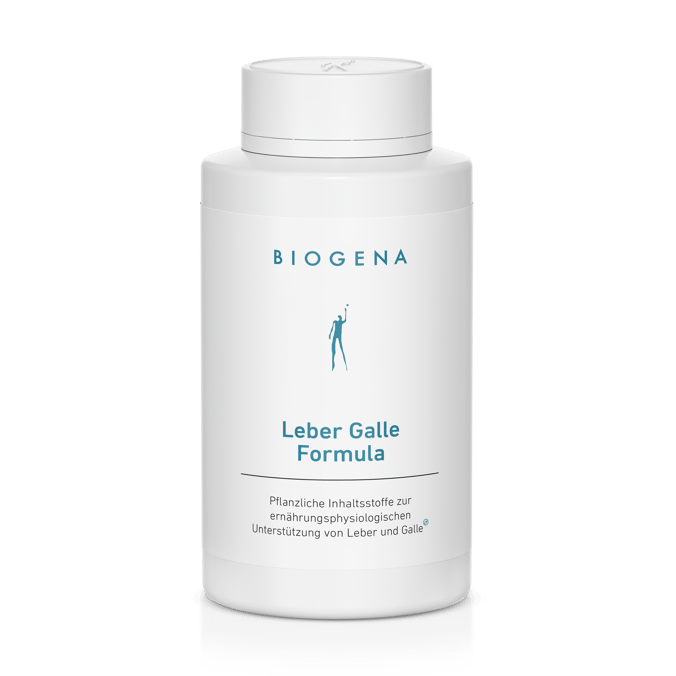
Fórmula Hígado y BilisSuplemento desintoxicante vegetal para hígado y bilis – con cardo mariano y alcachofa
57,90 €
Biogena Essentials
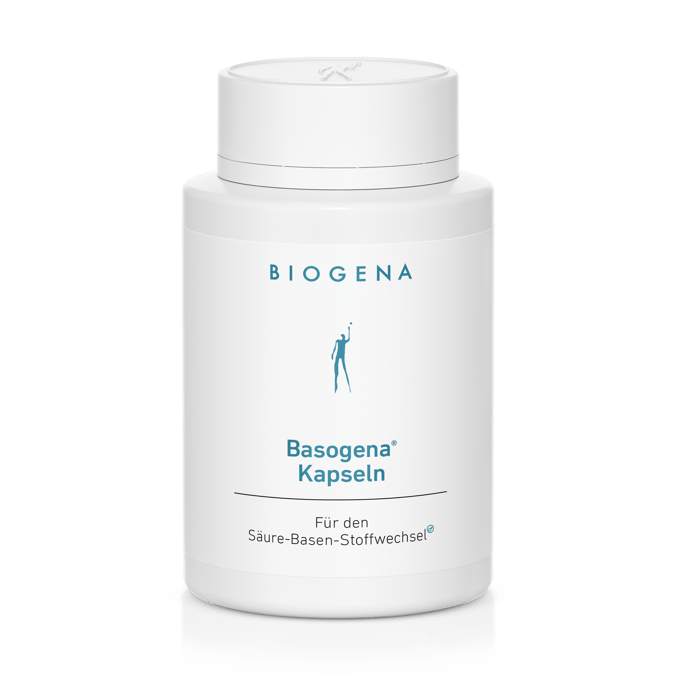
Basogena® 5 - polvo alcalinoPolvo alcalinizante con compuestos minerales seleccionados para el equilibrio ácido-base
43,90 €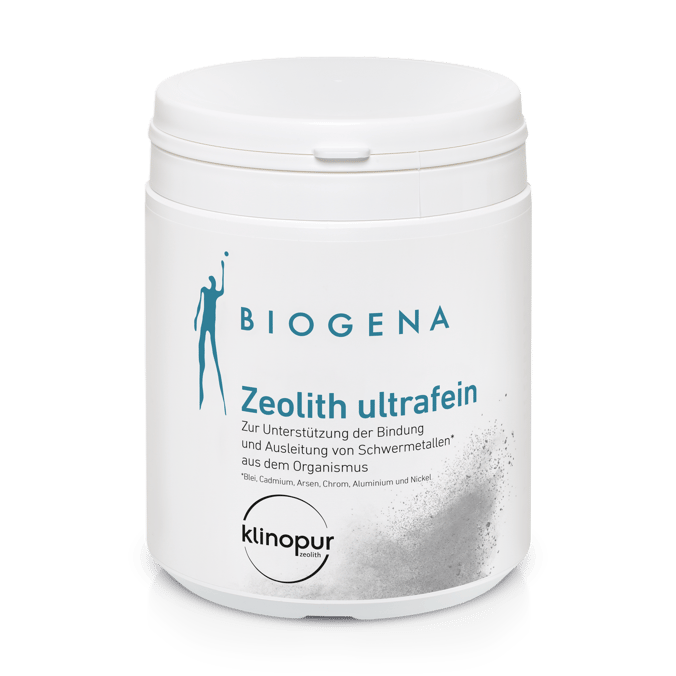
Biogena Essentials
Zeolith ultrafinoPolvo ultrafino de zeolita para favorecer la desintoxicación
56,90 €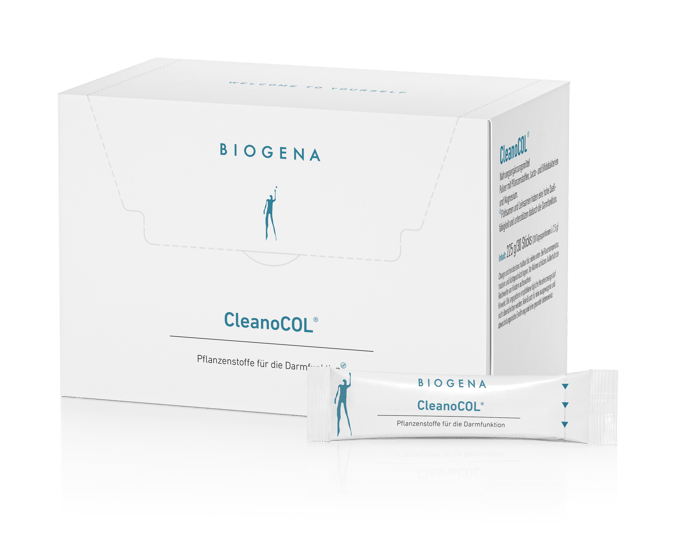
Biogena Essentials
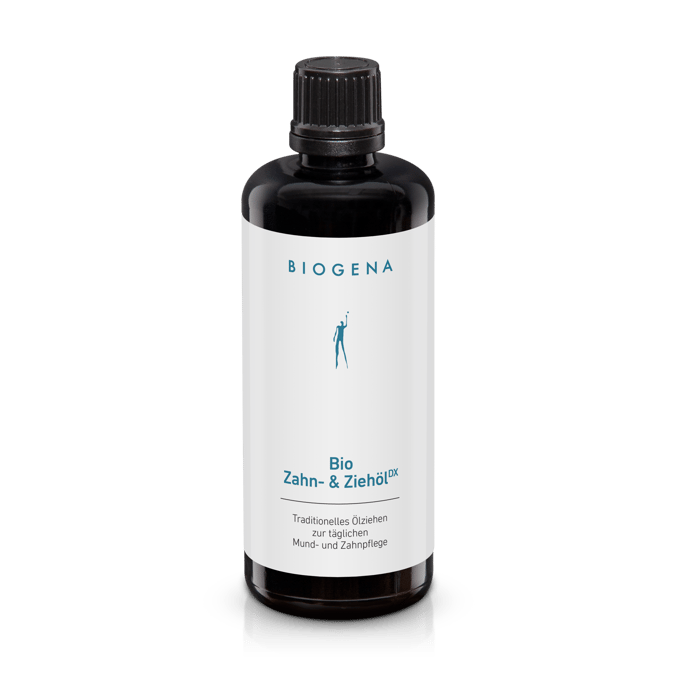
Aceite Dentífrico Ecológico DXPara el cuidado diario de la boca y los dientes
24,90 €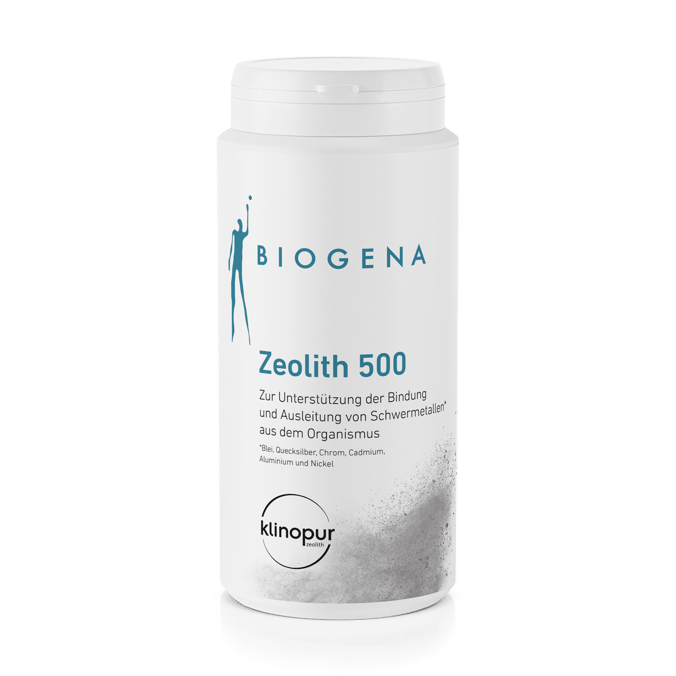

Biogena Essentials
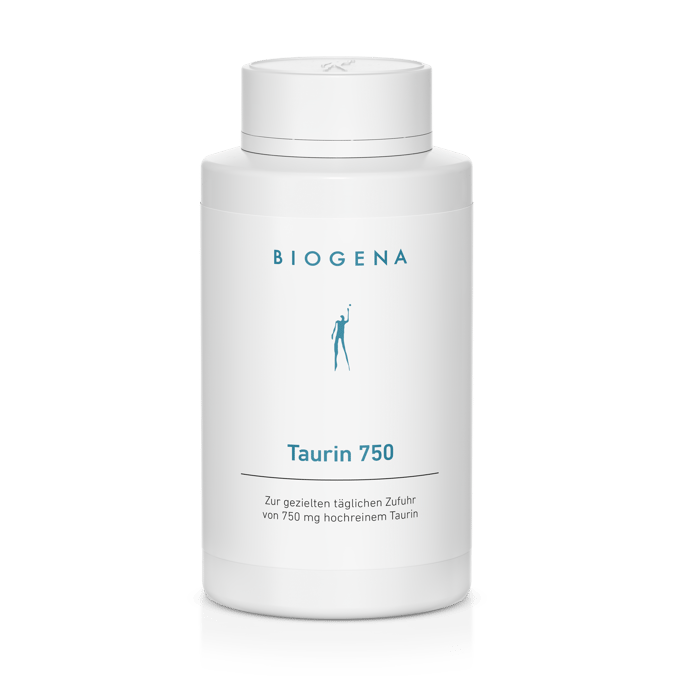
NitroStress® Formula IPreparado especial con curcumina, taurina y cinco vitaminas del complejo B
34,90 €

Biogena Essentials
Chlorella Pur C plusCápsulas para un aporte específico de alga chlorella rica en clorofila
36,90 €
Biogena Essentials
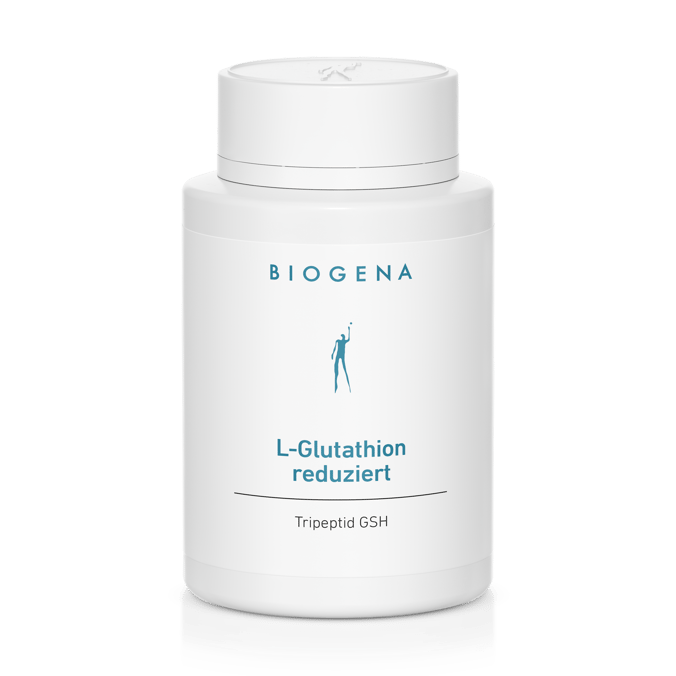
L-Glutatión ReducidoLa proteína sulfurada L-glutatión, presente en el cuerpo
37,90 €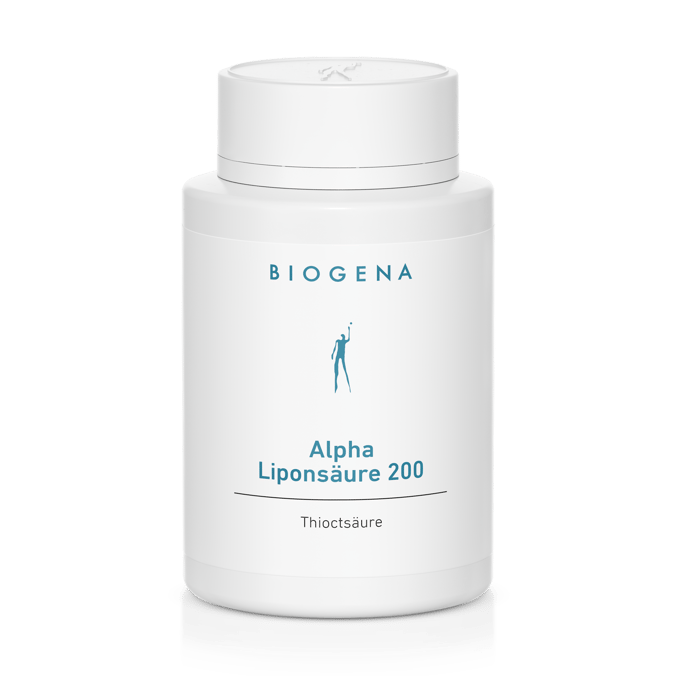

Biogena Essentials
OPC PolyMax® 250/30Complejo activo natural con compuestos vegetales bioactivos
39,90 €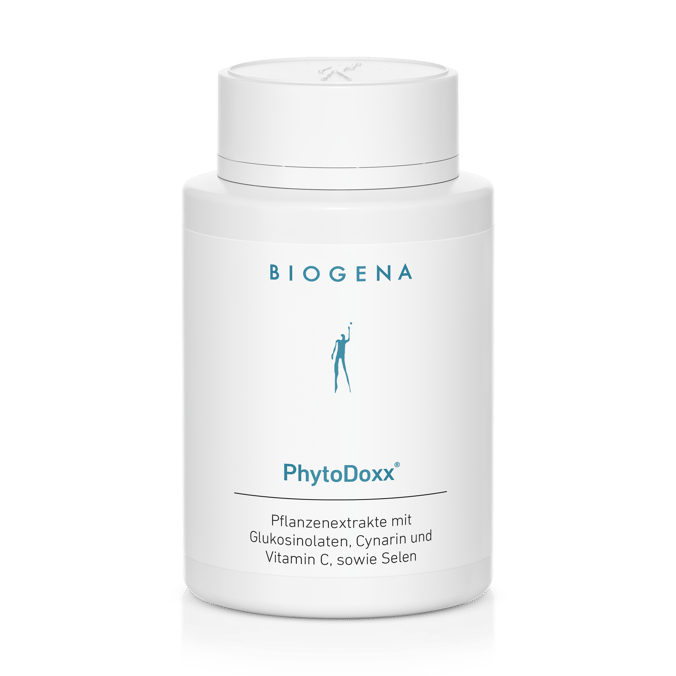
Categoría
¿Qué hay realmente detrás de los productos Detox?
¿Te suena a moda pasajera? Puede ser. Pero la idea que hay detrás del Detox va mucho más allá. Porque aunque nuestro cuerpo está diseñado para eliminar lo que no necesita las 24 horas del día, los retos de la vida moderna —como la contaminación, los tóxicos ambientales, los medicamentos o una alimentación desequilibrada— pueden sobrecargar estos sistemas naturales. Aquí es donde entran en juego los suplementos Detox de alta calidad: ofrecen apoyo justo donde tu organismo más lo necesita, ayudando, por ejemplo, al equilibrio ácido-base, al balance antioxidante o a la eliminación de residuos metabólicos.
¿Cómo actúan las cápsulas, polvos o tabletas Detox?
No todos los productos para desintoxicar el cuerpo son iguales —y ahí está su ventaja. Algunos aportan micronutrientes esenciales, llamados cofactores, que el cuerpo necesita para sus procesos de limpieza. Otros apoyan la descomposición de determinadas sustancias o la eliminación de residuos. Dependiendo de su composición, cada producto acompaña diferentes fases de los procesos naturales de desintoxicación.
Productos Detox de BIOGENA: Calidad que funciona porque está bien pensada
En BIOGENA ofrecemos una amplia gama de suplementos para desintoxicar que apoyan distintas áreas de la desintoxicación natural del organismo: desde la función hepática y renal hasta el intestino, el equilibrio ácido-base, la eliminación de metales pesados y el balance antioxidante. Incluso si te enfrentas a un estrés oxidativo o nitrosativo o tienes una mayor necesidad de ciertos micronutrientes, encontrarás aliados a tu medida. Así puedes personalizar tu rutina Detox de forma consciente y eficaz —según lo que tu cuerpo necesite en este momento.
Breve resumen de los productos detox de BIOGENA más destacados en la actualidad
Intensificación del procese de detoxificación | Eliminación de metales pesados, medicamentos y toxinas ambientalesen-vironnementales | Eliminación del exceso de ácidos | Detoxificación de radicales derivados del oxígeno | Detoxificación de radicales derivados del nitrógeno | |
|---|---|---|---|---|---|
|
|
|
|
| |
|
|
|
|
| |
|
|
|
|
| |
|
|
|
|
| |
|
|
|
|
| |
|
|
|
|
| |
|
|
|
|
| |
|
|
|
|
| |
|
|
|
|
| |
|
|
|
|
| |
|
|
|
|
| |
|
|
|
|
| |
|
|
|
|
| |
|
|
|
|
|


especialmente recomendado

recomendado

sin efecto conocido
Preguntas frecuentes
Preguntas frecuentes sobre Detox y desintoxicación
Referencias científicas
Revistas BIOGENA
Martin, M. 2011. Gesundes Entgiften - Regulationstherapien richtig anwenden. Biogena Inside. 2(1).
Greilberger, J. 2011. Taurin als neuer NO*-Fänger bei nitrosativem Stress.Biogena Inside.
Literatura científica
Schmidbauer C, Hofstätter G. et al. 2020. Mikronährstoffcoach. Das große BIOGENA-Kompendium der Nährstoffe. Verlagshaus der Ärzte. 1158 Seiten, 4. aktualisierte und erweiterte Auflage. www.mikronährstoffcoach.com .
Gröber, U. Mikronährstoffe: Metabolic Tuning – Prävention – Therapie, 3. völlig überarbeitete und erweiterte Auflage. Stuttgart: Wissenschaftliche Verlagsgesellschaft Stuttgart, 2011.
Martin, M. Labormedizin in der Naturheilkunde, 3. Auflage. München:Elsevier GmbH, 2006.
Hahn, A. et al. Ernährung: Physiologische Grundlagen, Prävention, Therapie, 2. Auflage. Stuttgart:
Wissenschaftliche Gröber, U. Orthomolekulare Medizin: Ein Leitfaden für Apotheker und Ärzte, 3. unveränderte Auflage. Stuttgart: Wissenschaftliche Verlagsgesellschaft Stuttgart, 2008.
Watzl, B., Leitzmann, C. Bioaktive Substanzen in Lebensmitteln, 3. Unver änderte Auflage. Stuttgart: Hippokrates Verlag, 2005.
Gröber, U. Orthomolekulare Medizin: Ein Leitfaden für Apotheker und Ärzte, 3. unveränderte Auflage. Stuttgart: Wissenschaftliche Verlagsgesellschaft Stuttgart, 2008.
Ploss, O. Moderne Praxis bewährter Regulationstherapien: Entgiftung und Ausleitung, Säure-Basen-Haushalt, Darmsanierung, 1. Auflage. Stuttgart: MVS Medizinverlage, 2007.
Worlitschek, M. Praxis des Säure-Basen-Haushalts: Grundlagen und Therapie, 6. Auflage. Stuttgart: Haug-Verlag, 2008. 2008.
Löffler, G. Basiswissen Biochemie mit Pathobiochemie, 7. Auflage. Heidelberg: Springer-Verlag GmbH, 2008.
Estudios clínicos
Hofmann, T. et al. 2009. Modulation of detoxification enzymes by watercress: in vitro and in vivo investigations in human peripheral blood cells. Eur J Nutr. 48(8):483-91.
Schreiber, H. 2000. Entgiftung und Ausleitung von Quecksilber. Der freie Arzt. Nr 2.
Higdon, J. V. et al. 2007. Cruciferous vegetables and human cancer risk: epidemiologic evidence and mechanistic basis. Pharmacol Res. 55(3):224-36.
Bagchi D, Bagchi M, Stohs SJ, Ray SD, Sen CK, Preuss HG, „Cellular protection with proanthocyanidins derived from grape seeds“, Ann. N. Y. Acad. Sci., Mai 2002; Bd. 957:260–270
Afzal M, Safer AM, Menon M, „Green tea polyphenols and their potential role in health and disease“, Inflammopharmacology, Aug. 2015; Bd. 23, Nr. 4:151–161
Asha Devi S, Sagar Chandrasekar BK, Manjula KR, Ishii N, „Grape seed proanthocyanidin lowers brain oxidative stress in adult and middle-aged rats“, Experimental Gerontology, Nov. 2011; Bd. 46, Nr. 11:958–9.
Trachtman, H., Sturman, J. A. 1996. Taurine: A therapeutic agent in experimental kidney disease. Amino Acids. 11:1-13.
Yu, L. L. et al. 2009. Beneficial health properties of psyllium and approaches to improve its functionalities. Adv Food Nutr Res. 55:193-220.
Singh, B. 2007. Psyllium as therapeutic and drug delivery agent. Int J Pharm. 334(1-2):1-14.
Anderson, J. W. et al. 2009. Health benefits of dietary fiber. Nutr Rev. 67(4):188-205.
Davis, C. D., Milner, J. A. 2009. Gastrointestinal microflora, food components and colon cancer prevention. J Nutr Biochem. 20(10):743-52.
Yang, C. S., Wang, H. 2016. Cancer Preventive Activities of Tea Catechins.Molecules. 21(12).
Huang, Y. et al. 2017. Association between green tea intake and risk of gastric cancer: a systematic review and dose-response meta-analysis of observational studies. Public Health Nutr. 20(17):3183–92.
Chen, Y. et al. 2017. An inverse association between tea consumption and colorectal cancer risk. Oncotarget. 8(23):37367–76.
Ui, A. et al. 2009. Green tea consumption and the risk of liver cancer in Japan: the Ohsaki Cohort study. Cancer Causes Control. 20(10):1939–45.
Queiroz, M. L. et al. 2003. Protective effects of Chlorella vulgaris in lead-exposed mice infected with Listeria monocytogenes. Int Immunopharmacol. 3(6):889-900.
Ni, C. X. et al. 2017. Green Tea Consumption and the Risk of Liver Cancer: A Meta-Analysis. Nutr Cancer. 69(2):211–20.
Kim, C. Y. et al. 2009. Neuroprotective effect of epigallocatechin-3-gallate against β-amyloid-induced oxidative and nitrosative cell death via augmentation of antioxidant defense capacity. Arch Pharm
Res. 32(6): 869–81.
Chen, L. et al. 2017. Therapeutic properties of green tea against environmental insults. J Nutr Biochem. 40:1–13.
Nacerai, H. et al. 2017. Green tea beverage and epigallocatechin gallate attenuate nicotine cardiocytotoxicity in rat. Acta Pol Pharm. 74(1):277–87.
Al-Awaida, W. et al. 2014. Chinese green tea consumption reduces oxidative stress, inflammation and tissues damage in smoke exposed rats. Iran J Basic Med Sci. 17(10):740–6.
Begum, M. S. et al. 2017. Influence of green tea consumption on cigarette smoking-induced biochemical changes in plasma and blood. Clin Nutr Exper. 16:1–12.
Golden, E. B. et al. 2009. Green tea polyphenols block the anticancer effects of bortezomib and other boronic acid-based proteasome inhibitors. Blood. 113(23):5827–37.
Negrisanu, G. et al. 1999. Effects of 3-month treatment with the antioxidant alpha-lipoic acid in diabetic peripheral neuropathy. Rom J Intern Med. 37(3):297-306.
Farwell, W. R., Taylor, E. N. 2010. Serum anion gap, bicarbonate and biomarkers of inflammation in healthy individuals in a national survey. CMAJ. 182(2):137-41.
Kalinina, E. V. et al. 2014. Role of glutathione, glutathione transferase, and glutaredoxin in regulation of redox-dependent processes. Biochemistry (Mosc). 79(13):1562-83.
Deponte, M. 2013. Glutathione catalysis and the reaction mechanisms of glutathione-dependent enzymes. Biochim Biophys Acta. 1830(5):3217–66.
Hou, Y. et al. 2015. N-acetylcysteine and intestinal health: a focus on its mechanism of action. Front Biosci (Landmark Ed). 20:872–91.
Ashoori, M., Saedisomeolia, A. 2014. Riboflavin (vitamin B(2)) and oxidative stress: a review. Br J Nutr. 111(11):1985-91.
El-Beshbishy, H. A. et al. 2013. Lipoic acid mitigates bisphenol A-induced testicular mitochondrial toxicity in rats. Toxicol Ind Health. 29(10):875–87.
Lebda, M. A. et al. 2015. The effect of lipoic acid on acrylamide-induced neuropathy in rats with reference to biochemical, hematological, and behavioral alterations. Pharm Biol. 53(8):1207-13.
Asci, H. et al. 2015. The impact of alpha-lipoic acid on amikacin-induced nephrotoxicity. Ren Fail. 37(1):117–21.
Yeh, C. C. et al. 2005. Superoxide anion radical, lipid peroxides and antioxidant status in the blood of patients with breast cancer. Clin Chim Acta. 361(1-2):104-11.
Huber, W., Messerschmitt, T. M. 2006. Entzündungssyndrom: Erfahrungen, Diagnose und begleitende Maßnahmen mit Antioxidantien. Zs f Orthomol Med. 1:16-21.
Locigno, R. et al. 2002. S-acetyl-glutathione selectively induces apoptosis in human lymphoma cells through a GSH-independent mechanism. Int J Oncol. 20(1):69-75.
Donnerstag, B. et al. 1996. Reduced glutathione and S-acetylglutathione as selective apoptosis-inducing agents in cancer therapy. Cancer Lett. 110(1-2):63-70.
Dalhoff, K. et al. 1992. Glutathione treatment of hepatocellular carcinoma. Liver. 12(5):341-3.
Maher, P. 2005. The effects of stress and aging on glutathione metabolism. Ageing Res Rev. 4(2):288-314.
Ruan, E. et al. Glutathione levels in chronic inflammatory disorders of the human colon. Nut Research.17(3):463-73.
Wegener, T., Fintelmann V. 1999. Pharmacological properties and therapeutic profile of artichoke (Cynara scolymus L.). Wien Med Wochenschr. 149(8-10):241-7.
Buang, Y. et al. 2005. Dietary phosphatidylcholine alleviates fatty liver induced by orotic acid. Nutrition. 21(7-8):867-73.
Monographie Kommission E. 1988. Lecithinium ex soja. Bundesanzeiger. 85.
emitan, O. K., Izegbu, M. C. 2006. Protective effects of Zingiber officinale (Zingiberaceae) against carbon tetrachloride and acetaminophen-induced hepatotoxicity in rats. Phytother Res. 20(11):997-1002.
Shukla, Y., Singh, M. 2007. Cancer preventive properties of ginger: a brief review. Food Chem Toxicol. 45(5):683-90.
Förstermann, U., Münzel, T. 2006. Endothelial nitric oxide synthase in vascular disease: from marvel to menace. Circulation. 113(13):1708-14.
Kuklinski, B. 2008. Praxisrelevanz des nitrosativen Stresses. OM & Ernährung. 124:F2-F19.
Pall, M. L. 2007. Nitric oxide synthase partial uncoupling as a key switching mechanism for the NO/ONOO- cycle. Med Hypotheses. 69(4):821-5.
Sreejayan, M. N. A. R. 1997. Nitric oxide scavenging by curcuminoids. J Pharm Pharmacol. 49(1):105-7. 1. Auflage. Oxford: Routledge Tylor & Francis Group Ltd, 2007.
Erdamar, H. et al. 2007. The relationship between taurine and 3-nitrotyrosine level of hepatocytes in experimental endotoxemia. Neurochem Res. 32(11):1965-8.
Kraljević Pavelić, S. et al. 2018. Critical Review on Zeolite Clinoptilolite Safety and Medical Applications in vivo. Front Pharmacol. 9:1350.
Blanchard, G. et al. 1984. Removal of heavy metals from waters by means of natural zeolites. Water Res. 18:1501–7.
Zamzow, M. J. et al. 1990. Removal of heavy metals and other cations from wastewater using zeolites. Sep Sci Technol. 25(13–15):1555–69.
Erdem, E. et al. 2004. The removal of heavy metal cations by natural zeolites. J Colloid Interface Sci. 280(2):309–14.
Yao, C. K. et al. 2016. Review article: insights into colonic protein fermentation, its modulation and potential health implications. Aliment Pharmacol Ther. 43(2):181–96.
Gandy, J. J. et al. 2015. Potentiated clinoptilolite reduces signs and symptoms associated with veisalgia. Clin Exp Gastroenterol. 8:271–7.
Flowers, J. et al. 2009. Clinical evidence supporting the use of an activated clinoptilolite suspension as an agent to increase urinary excretion of toxic heavy metals. Nutr Diet Suppl. 1:11–8.
Karampathsis, E. 2012. Zeolite: Investigation of the Effectiveness and Safety as an Oral Chelating Agent for Heavy Metals. A comparison between different commercially available preparations. Original study. Scottsdale, Arizona. S. 1–12.
Shakov, Y. I. 2003. [Klinische Studie zur Wirkung von Litovit bei der Ausleitung von Schwermetallen aus dem menschlichen Körper.] Forschungsbericht der Tshelbinsker Staatlichen Medizinischen
Suscríbete al newsletter y obtén 10€ de descuento
Suscríbete a nuestro newsletter, recibe tu cupón personal de 10€ y disfruta de emocionantes novedades sobre nuestros productos, sorteos y consejos de salud. Así estarás perfectamente acompañado en tu viaje hacia el bienestar.