

Pregnancy & breastfeeding supplements
When new life begins to grow within you, your body embarks on a truly remarkable journey. And right now, your nutrient intake matters more than ever—for you and your baby. During pregnancy and breastfeeding, the demand for specific vitamins, minerals, and trace elements significantly increases.
Filters & Sorting
- Pregnancy
Biogena Essentials
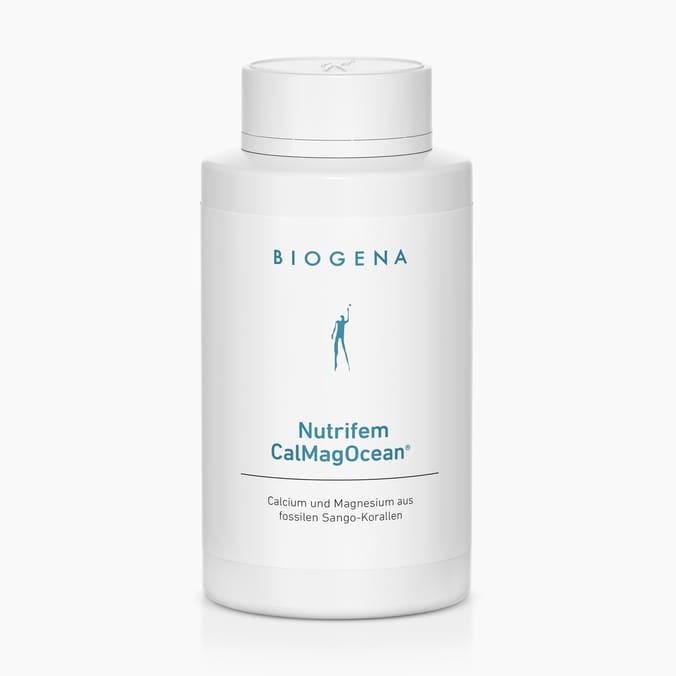
Nutrifem CalMagOcean®With calcium and magnesium for pregnancy and breastfeeding
€409.00 / kg€40.90 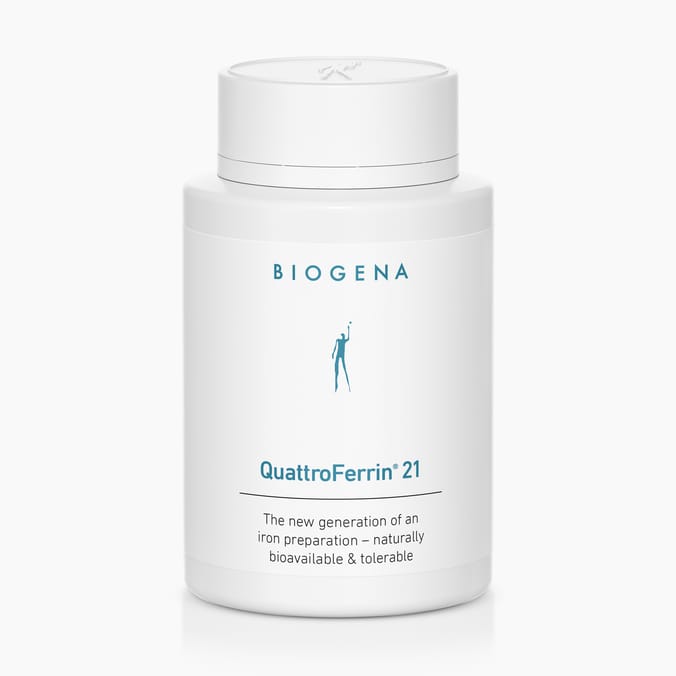
Biogena Essentials
QuattroFerrin® 21 iron complexPremium iron complex from four sources
€973.17 / kg€39.90- Vegan
Biogena Essentials
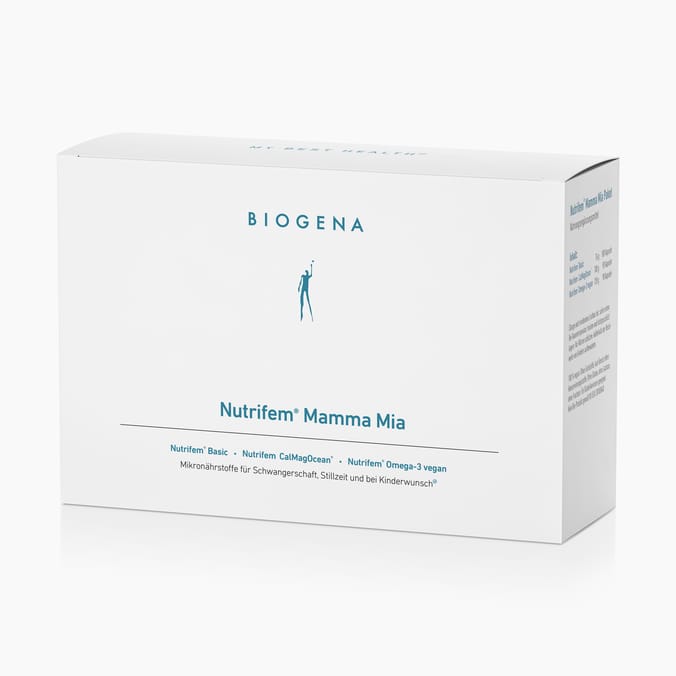
Nutrifem® Mamma Mia Pregnancy PackageFor Mom & Baby: Comprehensive micronutrient support from trying to conceive through breastfeeding.*
€427.30 / kg€129.90 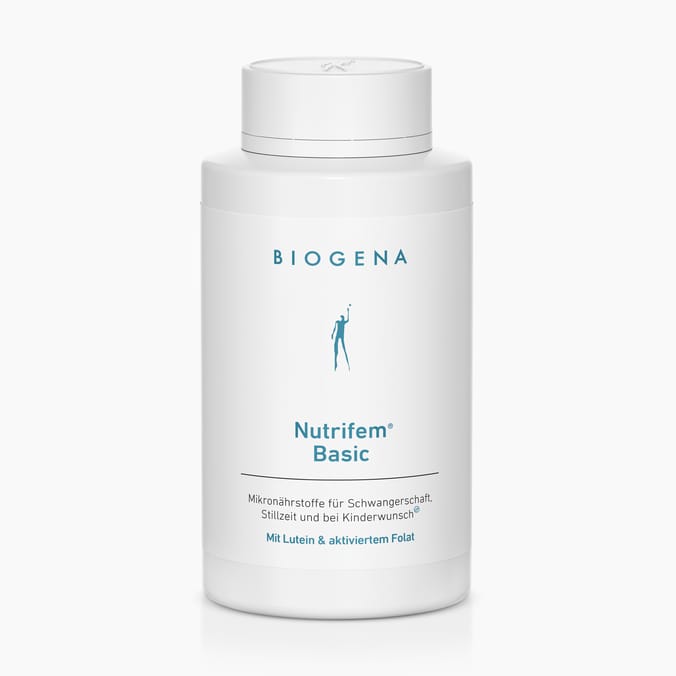
Biogena Essentials
Nutrifem® Basic ComplexNutrient support from pregnancy through breastfeeding*
€682.89 / kg€51.90- Vegan
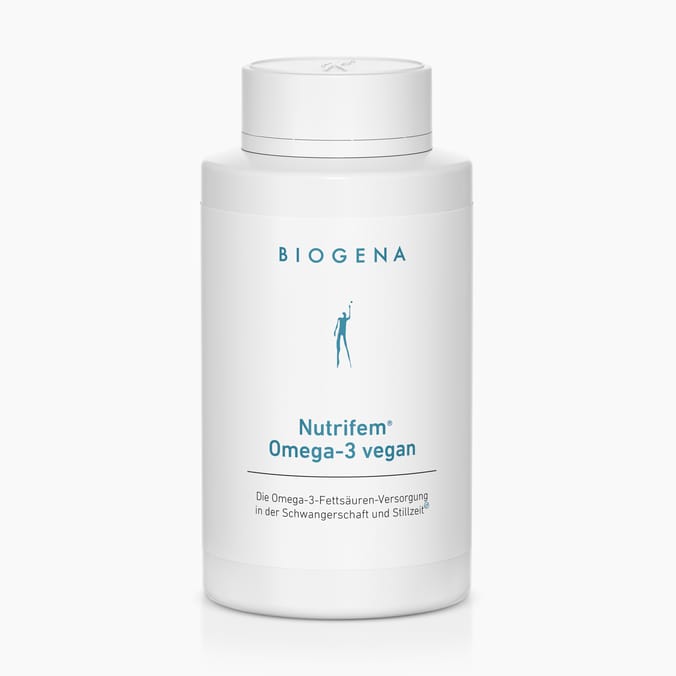
Biogena Essentials
Nutrifem® Omega-3 veganOmega 3 capsules for pregnancy & breastfeeding*
€499.22 / kg€63.90 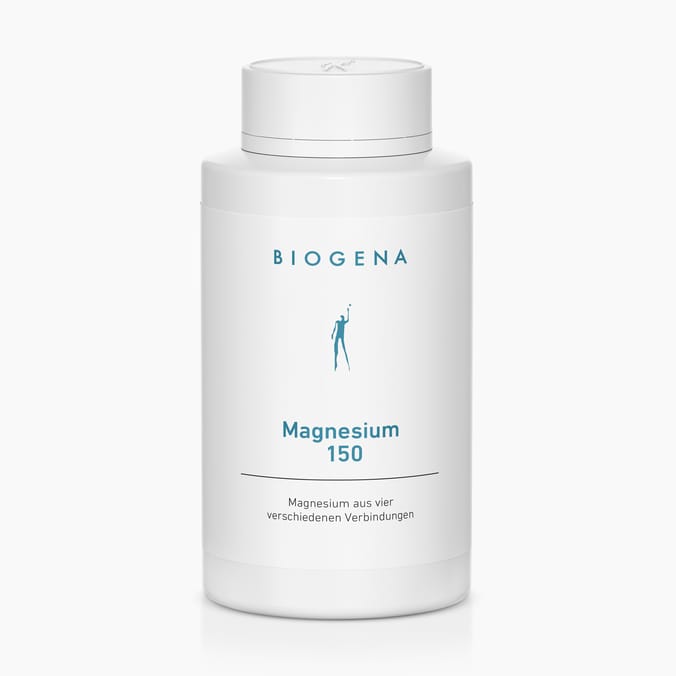
Biogena Essentials
Magnesium 150 mgFour premium forms of magnesium – perfectly combined for your daily routine and smart support
€395.59 / kg€26.90
Why supplements matter during pregnancy
From the moment pregnancy begins, your body starts working in dual mode: two bodies, one shared nutrient pool. Certain micronutrients now become especially important:
Folic Acid (Vitamin B9)
Folic acid supports maternal tissue growth and plays a role in cell division. It’s recommended even before conception—ideally around 550 µg daily.Calcium
Vital for your baby’s bone, tooth, and muscle development. For you, that means about 1000–1200 mg per day.Iron & Zinc
Iron contributes to the formation of red blood cells and hemoglobin—and your daily needs now rise to around 27 mg. Zinc supports vision and immune function—depending on your stage of pregnancy and phytate intake, 7–13 mg daily is considered beneficial.Omega-3 Fatty Acids (DHA & EPA)
Important for your baby’s brain, vision, and nervous system. If you rarely eat fish, a high-quality supplement can be a smart choice—just make sure it's free from heavy metals!Magnesium
Plays a role in muscle and nerve function, and energy metabolism—and can help prevent leg cramps during pregnancy. Your daily intake should be around 300–400 mg. A good supply is especially crucial in the third trimester.Vitamin D
Supports normal immune system function and plays a role in cell division. Since many people don’t get enough through sunlight alone, supplementation is often recommended—ideally based on individual testing.Iodine
Essential for thyroid hormone production and your baby’s brain and nervous system development. Your needs rise significantly—if you follow a low-iodine or plant-based diet, supplementation is usually advised.
While a balanced diet covers many of these nutrients, it may not provide enough of everything you need. Specially formulated supplements can help you meet your increased micronutrient needs during this time. A perfectly matched option? Our Nutrifem® Mamma Mia pregnancy care package.
Iron in pregnancy: when fatigue is more than just tiredness
Struggling to get out of bed? Feeling pale, low-energy, or constantly drained? It might be worth checking your iron levels. Together with a healthcare professional, you can determine if targeted iron supplementation is right for you.
Which folic acid is best during pregnancy?
Not all folic acid is created equal. Look for a well-absorbed, activated form like Quatrefolic®, ideally combined with B vitamins and iron for optimal support.
We rely on:
Pure active ingredients
No unnecessary additives
Trusted quality you can count on
When & how long should you take supplements during pregnancy?
It’s best to start before conception—especially with folic acid. And throughout pregnancy and breastfeeding, targeted micronutrient support remains beneficial.
Breastfeeding & lactation: why nutrient support still matters
Birth is just the beginning—your body continues giving through breast milk. These nutrients deserve special attention now:
Omega-3 fatty acids – for your baby’s brain, vision & nervous system
Calcium, zinc & vitamin D – for healthy bone development
Iron & vitamin C – for immune support, energy, and blood formation
Quick tip: Don’t forget to stay hydrated—1.5 to 2 liters of water a day is ideal!
FAQs
Pregnancy & breastfeeding supplements: your questions answered
Sources:
Buhling KJ, Grajecki D. 2013. The effect of micronutrient supplements on female fertility. Curr Opin Obstet Gynecol. 2013 Jun;25(3):173-80.
Skoracka K, et al. 2021. Female Fertility and the Nutritional Approach: The Most Essential Aspects. Adv Nutr. 2021 Dec 1;12(6):2372-2386.
Gröber, U. 2005. Frauen mit Kinderwunsch und Schwangere als Risikogruppe für einen Nährstoffmangel. Zs f Orthomol Med. 3:28–9.
Dean, S. V. et al. 2014. Preconception care: nutritional risks and interventions. Reprod Health. 11(Suppl 3):S3.
Grieger, J. A., Clifton V. L. 2014. A review of the impact of dietary intakes in human pregnancy on infant birthweight. Nutrients. 7(1):153–78.
Figueiredo, R. F. et al. 2015. The role of the folic acid to the prevention of orofacial cleft: an epidemiological study. Oral Dis. 21(2):240–7.
Younis, A. et al. 2012. The relationship between pregnancy and oxidative stress markers on patients undergoing ovarian stimulations. J Assist Reprod Genet. 29(10):1083–9.
Grajecki, D. et al. 2012. The effect of micronutrient supplements on female fertility: a systematic review. Arch Gynecol Obstet. 285(5):1463–71.
Várbíró S, et al 2022. Effects of Vitamin D on Fertility, Pregnancy and Polycystic Ovary Syndrome-A Review. Nutrients. 2022 Apr 15;14(8):1649.
González-Rodríguez LG, et al. 2018. Nutrition and fertility. Nutr Hosp. 2018 Sep 7;35(Spec No6):7-10. Spanish. doi: 10.20960/nh.2279. PMID: 30351153.
Thornburgh S, Gaskins AJ. B vitamins, polycystic ovary syndrome, and fertility. Curr Opin Endocrinol Diabetes Obes. 2022 Dec 1;29(6):554-559.
Garner TB, et al. 2021. Role of zinc in female reproduction. Biol Reprod. 2021 May 7;104(5):976-994.
Szostak-Węgierek D. 2011. Nutrition and fertility. Med Wieku Rozwoj. 2011 Oct-Dec;15(4):431-6.
Saylam B, Çayan S. 2020. Do antioxidants improve serum sex hormones and total motile sperm count in idiopathic infertile men? Turk J Urol. 2020 Nov;46(6):442-448. doi: 10.5152/tud.2020.20296. Epub 2020 Aug 20.
Hogarth, C. A., Griswold, M. D. 2010. The key role of vitamin A in spermatogenesis. J Clin Invest. 120(4):956-62.
Kazemijaliseh, H. et al. 2015. The Prevalence and Causes of Primary Infertility in Iran: A Population-Based Study. Glob J Health Sci. 7(6):226–32.
Kumar N, et al. 2024. Correlation between serum vitamin B12, vitamin D, and suboptimal semen parameters in male infertility: A hospital-based cross-sectional study. J Family Med Prim Care. 2024 Nov;13(11):5171-5176.
Aghayeva S, et al. 2023. The Role of Thyroid Hormones, Vitamins, and Microelements in Female Infertility. Rev Bras Ginecol Obstet. 2023 Nov;45(11):e683-e688.
Meng, Q. et al. 2015. Incidence of infertility and risk factors of impaired fecundity among newly married couples in a Chinese population. Reprod Biomed Online. 30(1):92–100.
Schlatt, S., Ehmcke, J. 2014. Regulation of spermatogenesis: an evolutionary biologist‘s perspective. Semin Cell Dev Biol. 29:2–16.
Wijesekara, G. U. et al. 2015. Environmental and occupational exposures as a cause of male infertility. Ceylon Med J. 60(2):52–6.
Najafipour R, et al. 2017. Effect of B9 and B12 vitamin intake on semen parameters and fertility of men with MTHFR polymorphisms. Andrology. 2017 Jul;5(4):704-710. doi: 10.1111/andr.12351.
Fathi Najafi, T. et al. 2015. Air pollution and quality of sperm: a metaanalysis. Iran Red Crescent Med J. 17(4):e26930.
Zeinab, H. et al. 2015. Lifestyle and Outcomes of Assisted Reproductive Techniques: A Narrative Review. Glob J Health Sci. 7(5):41418.
Singh, K., Jaiswal, D. 2013. One-carbon metabolism, spermatogenesis, and male infertility. Reprod Sci. 20(6):622–30.
Mora-Esteves, C., Shin, D. 2013. Nutrient supplementation: improving male fertility fourfold. Semin Reprod Med. 31(4):293–300.
Livingstone, C. 2015. Zinc: Physiology, Deficiency, and Parenteral Nutrition. Nutr Clin Pract. 30(3):371–82.
Dabrowski, F. A. et al. 2015. The Role of Vitamin D in Reproductive Health -A Trojan Horse or the Golden Fleece?. Nutrients. 7(6):4139–53.
Mathers M. J. et al. 2009. Metabolism of nitric oxide (NO) and arginine: significance for male health. Aktuelle Urol. 40(4):235-4
Lerchbaum, E. et al. 2017. Vitamin D and Testosterone in Healthy Men: A Randomized Controlled Trial. J Clin Endocrinol Metab. 2017 Nov 1;102(11):4292-4302. doi: 10.1210/jc.2017-01428.
Te, L. et al. 2023. Correlation between serum zinc and testosterone: A systematic review. J Trace Elem Med Biol. 2023 Mar:76:127124. doi: 10.1016/j.jtemb.2022.127124. Epub 2022 Dec 23.
Shin, D. et al. 2023. Efficacy and Safety of Maca (Lepidium meyenii) in Patients with Symptoms of Late-Onset Hypogonadism: A Randomized, Double-Blind, Placebo-Controlled Clinical Trial. World J Mens Health. 2023 Jul; 41(3): 692–700. Published online 2023 Jan 1. doi: 10.5534/wjmh.220112.
Smith, S.J. et al. 2021. Examining the Effects of Herbs on Testosterone Concentrations in Men: A Systematic Review. Adv Nutr. 2021 May; 12(3): 744–765. Published online 2020 Nov 5. doi: 10.1093/advances/nmaa134
Gröber, U. Mikronährstoffe: Metabolic Tuning – Prävention – Therapie, 3. völlig überarbeitete und erweiterte Auflage. Stuttgart: Wissenschaftliche Verlagsgesellschaft Stuttgart, 2011.
Gröber, U. Orthomolekulare Medizin. Ein Leitfaden für Apotheker und Ärzte, 3. Auflage. Stuttgart: Wissenschaftliche Verlagsgesellschaft, 2008.
Hahn, A. et al. Ernährung: Physiologische Grundlagen, Prävention, Therapie, 2. Auflage. Stuttgart: Wissenschaftliche Verlagsgesellschaft, 2006.
Leitzmann, C. et al. Ernährung in Prävention und Therapie: Ein Lehrbuch, 3. Auflage. Stuttgart: Hippokrates Verlag, 2009.
Schmidbauer C, Hofstätter G. 2020: Mikronährstoff-Coach: Das große BIOGENA-Kompendium der Nährstoffe. 1158 Seiten.
Sign up for our newsletter and get a €10 voucher
Sign up for our newsletter, receive your personal €10 voucher and look forward to exciting insights into the latest product innovations, giveaways and health tips – so you'll be well accompanied on your journey to well-being.