

Supplements for healthy & radiant skin
Blemishes, breakouts or acne? When your skin feels off balance, the right supplements can help from the inside out – for a clearer complexion and that fresh-skin feeling.
Filters & Sorting
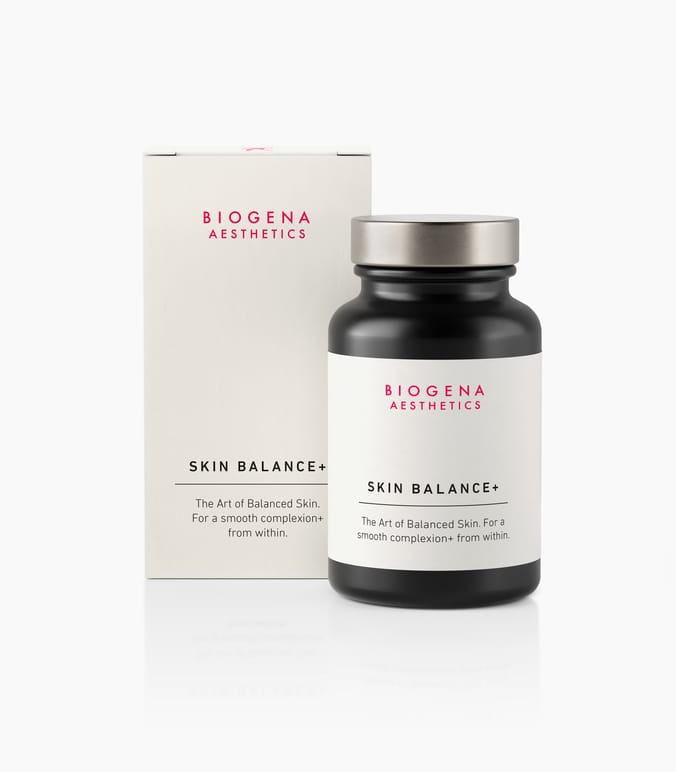
Biogena AESTHETICS
SKIN BALANCE+Premium formulation for a balanced skin appearance from within
€1,559.38 / kg€49.90
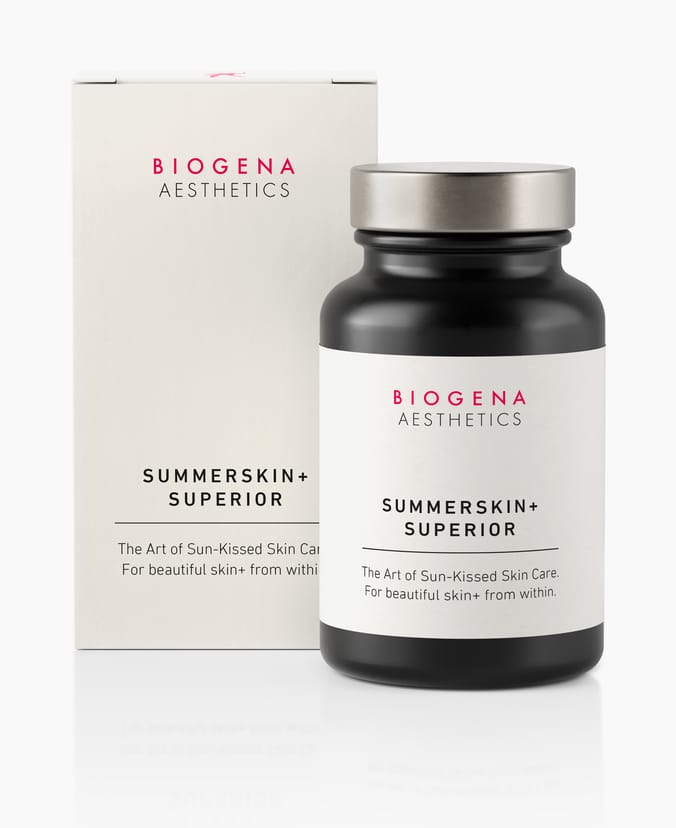
Biogena AESTHETICS
SUMMER SKIN+ SUPERIORBeautiful skin from within – Ideal for sunny days
€1,067.44 / kg€45.90- Bestseller
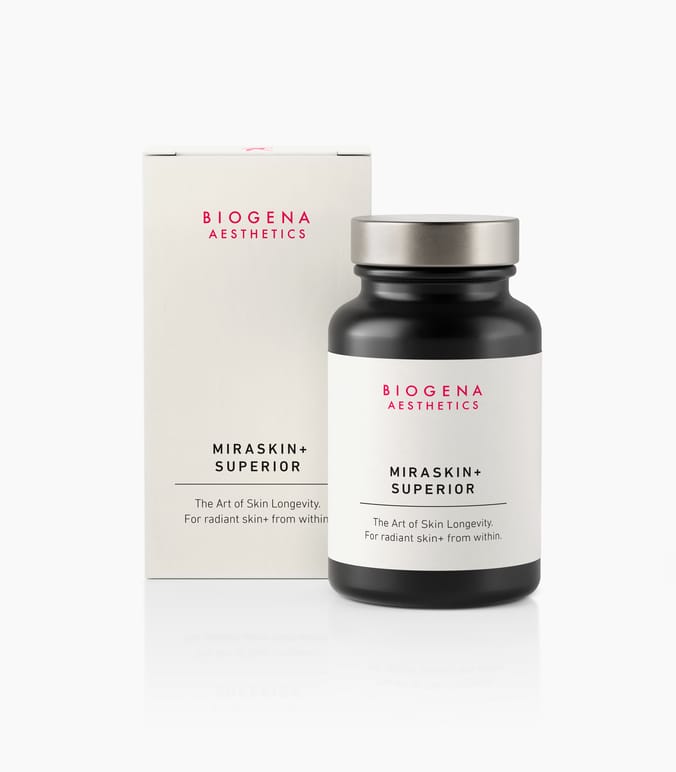
Biogena AESTHETICS
MiraSkin+ SuperiorPremium collagen complex with elastin and hyaluron
€2,996.67 / kg€89.90 
Biogena AESTHETICS
Beauty & Glow gift setSet with collagen & hyaluronic drinks and practical water bottle
€119.90- Bestseller
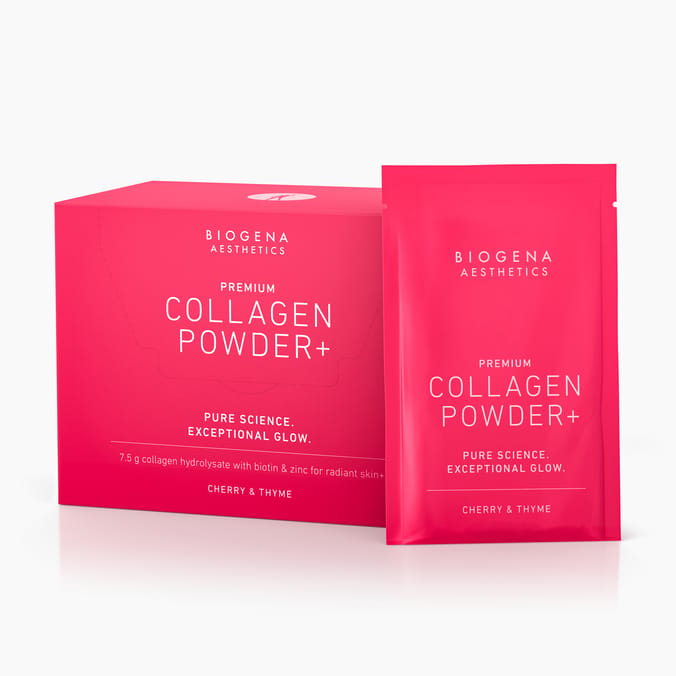
Biogena AESTHETICS
Marine Collagen Powder+Premium marine collagen powder with Naticol® and natural cherry-thyme flavour
€193.89 / kg€34.90 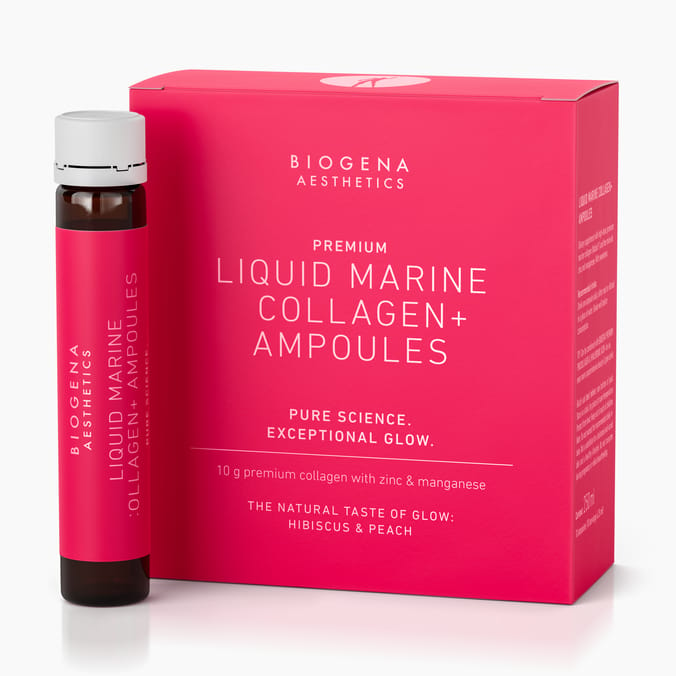
Biogena AESTHETICS
Liquid Marine Collagen+ Ampoules 10 gLiquid collagen shot with zinc & manganese
€159.60 / l€39.90- Vegan
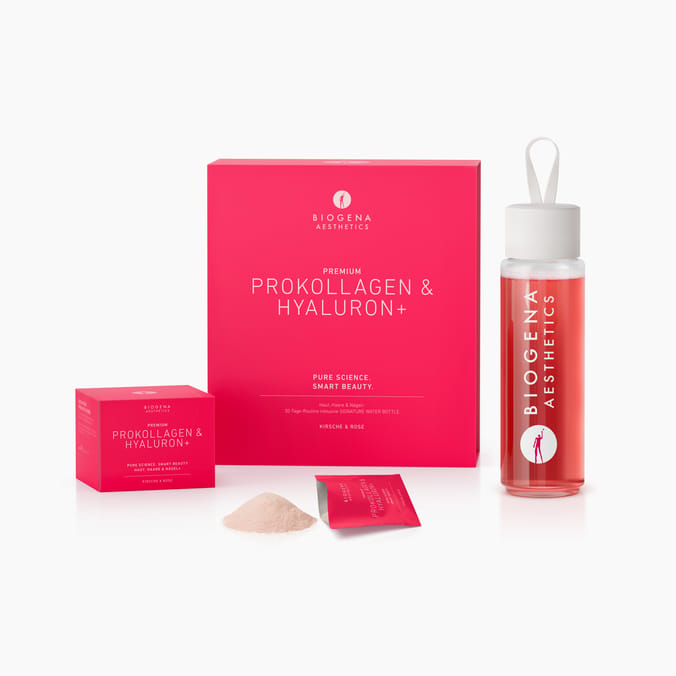
Biogena AESTHETICS
ProCollagen & Hyaluronic Acid+ Starter BundleThe vegan premium ProCollagen + Hyaluron+ Starter Bundle for your 30-day glow – with cherry-rose flavour.
€79.90 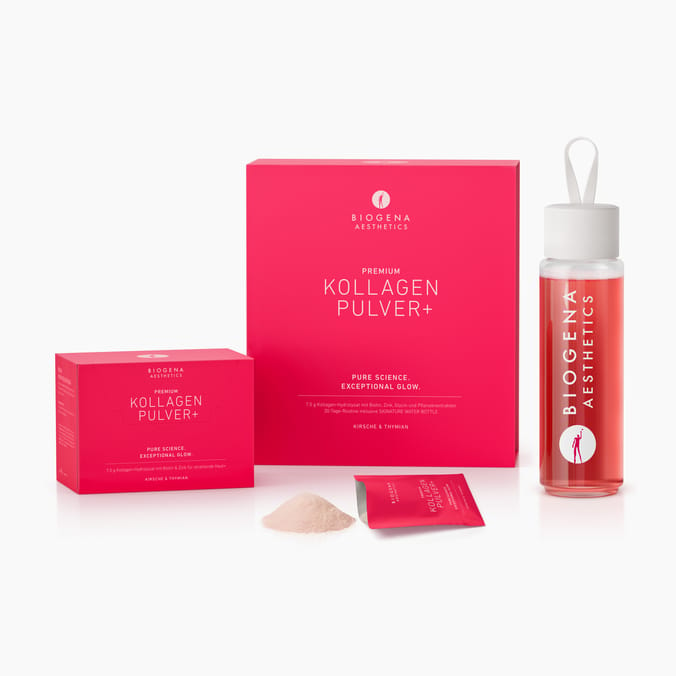
Biogena AESTHETICS
Collagen Powder+ Starter BundleMonthly supply of premium NATICOL® collagen with 7.5 g marine collagen per serving, including our signature bottle.
€79.90- Bestseller
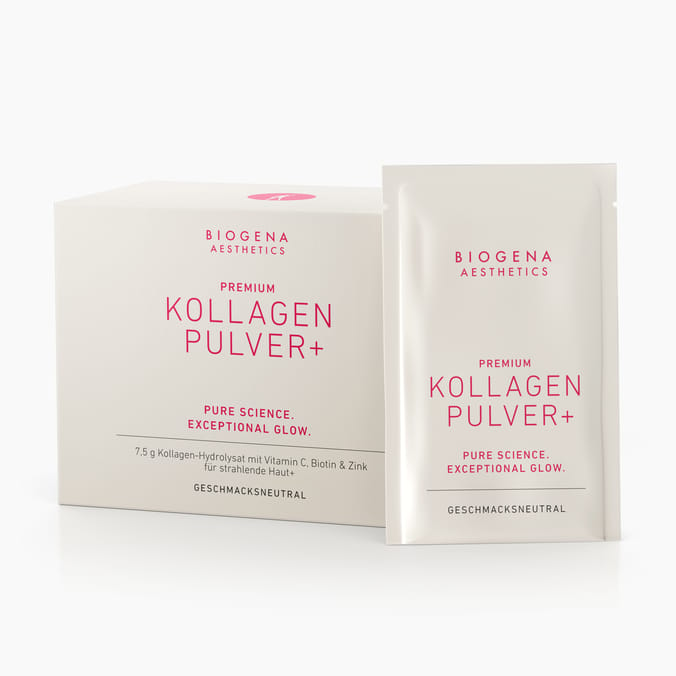
Biogena AESTHETICS
Marine Collagen Powder+ NeutralUnflavoured Collagen Powder – with Biotin & Zinc to Support Beautiful Skin*
€273.73 / kg€34.90 - Vegan
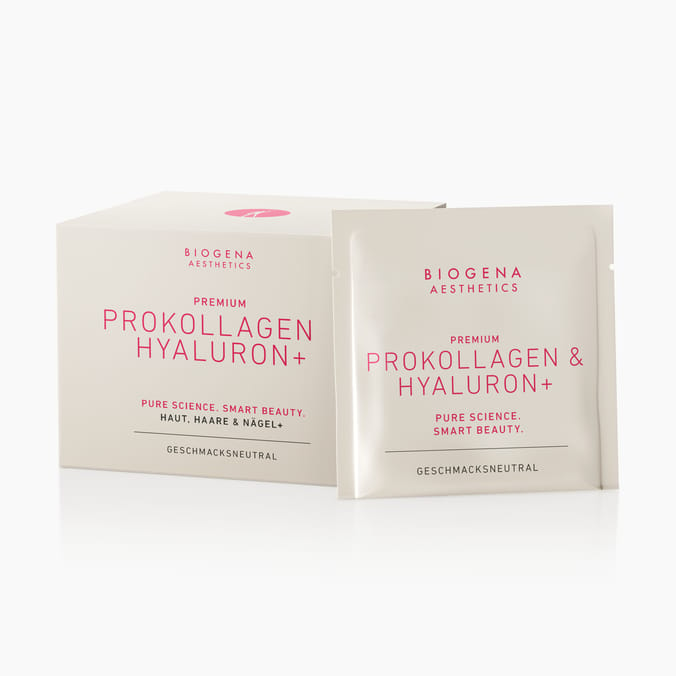
Biogena AESTHETICS
ProCollagen & Hyaluronic Acid+ NeutralVegan ProCollagen drink with GREENIURONIC® hyaluronic acid. Neutral in taste, for every moment.
€387.78 / kg€34.90 - Vegan
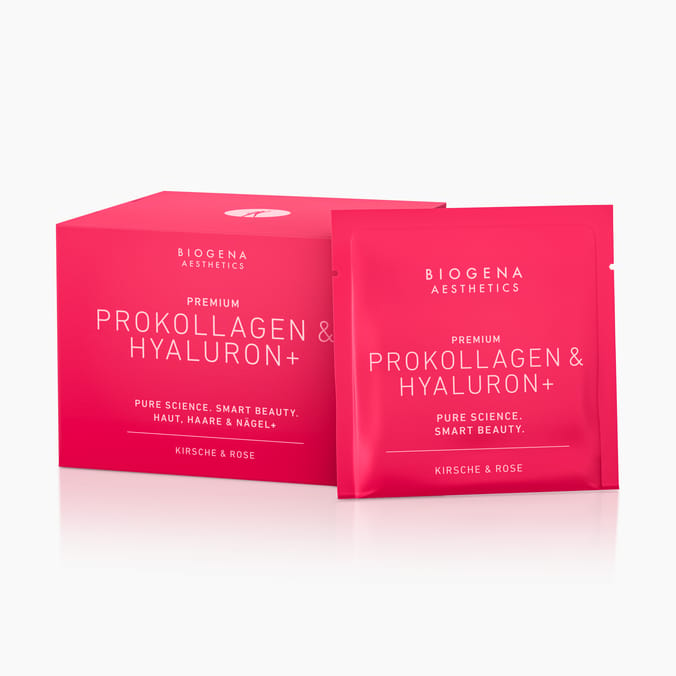
Biogena AESTHETICS
Premium ProCollagen & Hyaluron+Vegan collagen drink for your daily beauty routine
€294.51 / kg€34.90
Which supplements can support skin during acne or hormonal breakouts?
When hormones shift – whether during puberty, throughout your cycle, or in stressful phases – your skin often reflects it. Alongside a supportive diet (like low-carb or low-fat), carefully selected supplements can be a helpful part of your routine.
Targeted micronutrient formulas with ingredients like zinc, vitamin C, frankincense, grape seed extract and beta-glucan have proven especially effective. Probiotics are also gaining ground – supporting your complexion by nurturing your skin from within.
Pro tip: Choose supplements that are scientifically backed and high in quality – your skin deserves only the best.
Zinc – your skin’s bodyguard
Zinc is a key player when it comes to clear skin. This trace element helps maintain normal skin and supports cell regeneration – essential for healing and skin renewal.
Researchers identified the link between zinc and acne back in the 1970s. Especially for inflammatory acne, zinc has shown great promise: It may help regulate excess oil, support your skin’s defense mechanisms, and influence inflammation in a positive way. Plus, it helps slow the spread of acne-causing bacteria – for skin that feels clean, fresh and calm.
Frankincense – gentle care for clearer skin
Your skin deserves gentle support – and sometimes nature has the best answer. Indian frankincense (Boswellia serrata) is known for its soothing, anti-inflammatory properties. Studies show it can inhibit certain bacteria involved in acne development.
Especially noteworthy: Bowellin® frankincense extract. With a high, standardized content of boswellic acids, this extract has been shown to visibly improve acne symptoms. A real skin-soothing secret weapon for bringing balance back to irritated skin.
Beta-glucan – immune support for skin health
Beta-glucans are natural fibers found in yeast, mushrooms, algae, barley and oats. Their effect depends on their origin – different sources bring slightly different structures and benefits.
Yeast-derived beta-glucan is particularly exciting for skin health, as it helps strengthen immune defenses. One standout is Yestimun® beta-glucan, a clinically studied ingredient that supports your body’s natural ability to manage unwanted bacteria.
Beta-glucans = immune support that has your back – and your skin’s too.
Grape seed extract – inflammation fighter for your skin
This antioxidant powerhouse doesn’t just protect your cells – it actively contributes to clearer skin. Studies show grape seed extract supports the skin’s structure, may help combat acne bacteria, and can soothe inflammation. It also plays a role in collagen and fibronectin production – important for healing acne lesions more efficiently.
Look for the premium branded extract exGrape® SEED, derived from French Champagne-region grapes. With an extra-high content of oligomeric proanthocyanidins (OPCs), it's a plant-based antioxidant your skin will love. The result? Extra protection and clarity for a complexion that glows.
Astaxanthin – antioxidant power & age-defying glow
Astaxanthin is a carotenoid from green algae and one of nature’s most potent antioxidants. It helps maintain skin elasticity and moisture – essential for smooth, plump skin.
In a study of 36 men, six weeks of astaxanthin supplementation showed visible skin improvements: fewer wrinkles, better hydration and more balanced oil production. The takeaway? A radiant glow starts from within.
Vitamin C – your skin’s daily protection
More than just an immunity booster, vitamin C is a collagen and elastin superstar – two proteins your skin needs for firmness and bounce. As a water-soluble antioxidant, it also fights free radicals that can contribute to dull or damaged skin.
Since the body can’t make vitamin C on its own, regular intake is key. Just 100 mg daily can support your skin’s natural defenses – for a well-protected, fresh-looking face.
Vitamins A & E – your balance boosters
Fat-soluble and skin-friendly, vitamins A and E play an important role in skin renewal and resilience.
Vitamin A (which your body can make from beta-carotene) helps regulate oil production and promotes healthy skin cell turnover – useful for preventing clogged pores and easing acne symptoms.
Vitamin E is known for its antioxidant and soothing effects. It protects your skin from oxidative stress and supports healing of minor blemishes or irritation.
Studies suggest that low levels of these vitamins may be linked to more severe acne – a great reason to keep your skin well-supplied.
Vitamin D & acne
Vitamin D doesn’t just lift your mood – it may also boost your skin. A meta-analysis shows that people with acne often have lower vitamin D levels than those with clear skin. In addition, lower vitamin D may correlate with more severe breakouts.
Researchers believe that vitamin D3 helps regulate hormones and supports antimicrobial defenses – both key in calming inflamed skin. It also strengthens the skin barrier, making it harder for acne bacteria to settle in.
Stress less, glow more: Nutrients for when life gets hectic
You’ve felt it: a stressful week = unhappy skin. That’s because stress affects your hormone balance, circulation, and immune function. More cortisol means more oil production, clogged pores, and breakouts. At the same time, your skin barrier weakens – inviting redness and irritation.
The good news: With mindful support and the right nutrients, you can help your skin stay resilient, even in high-stress phases.
Adaptogens like ashwagandha or ginseng are nature’s stress buffers. Magnesium is a proven ally for calmer nerves, and together with B-vitamins, it supports emotional balance – for skin that mirrors your inner calm.
Clear skin & acid-base balance
You may have heard that “over-acidity” contributes to breakouts. Scientifically speaking, there's no conclusive evidence for that theory. What’s more likely: certain food sensitivities may be affecting your skin.
If you suspect a link between specific foods and your complexion, try eliminating them temporarily and see how your skin reacts. Your body speaks – tune in and discover what feels best for you.
Gut & skin: How probiotics support your glow
A balanced gut can help regulate inflammation – a big win for your skin. Early studies suggest that probiotics may improve the connection between gut and skin flora, reducing breakouts and redness. The result? A smoother, more even complexion.
FAQs
Frequently asked questions about supplements for healthy skin
References:
Weckesser, S. et al. 2007. Screening of plant extracts for antimicrobial activity against bacteria and yeasts with dermatological relevance. Phytomedicine. 14(7–8):508–16. https://pubmed.ncbi.nlm.nih.gov/17291738/
Heng, A. H. S., Chew, F. T. 2020. Systematic review of the epidemiology of acne vulgaris. Sci Rep. 10(1):5754. https://pubmed.ncbi.nlm.nih.gov/32238884/
Williams, H. C. et al. 2012. Acne vulgaris. Lancet. 379(9813):361–72. https://pubmed.ncbi.nlm.nih.gov/21880356/
Bowe, W. P. et al. 2010. Diet and acne. J Am Acad Dermatol. 63(1):124–41. https://pubmed.ncbi.nlm.nih.gov/20338665/
Brandt, S. 2013. The clinical effects of zinc as a topical or oral agent on the clinical response and pathophysiologic mechanisms of acne: a systematic review of the literature. J Drugs Dermatol. 12(5):542–5. https://pubmed.ncbi.nlm.nih.gov/23652948/
Dréno, B. et al. 2005. Effect of zinc gluconate on propionibacterium acnes resistance to erythromycin in patients with inflammatory acne: in vitro and in vivo study. Eur J Dermatol. 15(3):152–5. https://pubmed.ncbi.nlm.nih.gov/15908296/
Ozuguz, P. et al. 2014. Evaluation of serum vitamins A and E and zinc levels according to the severity of acne vulgaris. Cutan Ocul Toxicol. 33(2):99–102. https://pubmed.ncbi.nlm.nih.gov/23826827/
Yee B. E. et al. 2020. Serum zinc levels and efficacy of zinc treatment in acne vulgaris: A systematic review and metaanalysis. Dermatol Ther. 33(6):e14252.
Barrie, S. A. et al. 1987. Comparative absorption of zinc picolinate, zinc citrate and zinc gluconate in humans. Agents Actions. 21(1–2):223–8. https://pubmed.ncbi.nlm.nih.gov/32860489/
Rentea, R. 2008. Therapeutic advantages of highly standardized Boswellia extracts. https://www.koliskoinstitute.org/wp-content/uploads/2014/09/Therapeutic-Advantages-of-AKBAv2.pdf
Safayhi, H. et al. 1992. Boswellic acids: novel, specific, nonredox inhibitors of 5-lipoxygenase. J Pharmacol Exp Ther. 261(3):1143–6. https://pubmed.ncbi.nlm.nih.gov/1602379/
Sailer, E. R. et al. 1996. Acetyl-11-keto-beta-boswellic acid (AKBA): structure requirements for binding and 5-lipoxygenase inhibitory activity. Br J Pharmacol. 117(4):615–8. https://pubmed.ncbi.nlm.nih.gov/8646405/
Raja, A. F. et al. 2011. Antistaphylococcal and biofilm inhibitory activities of acetyl-11-keto-β-boswellic acid from Boswellia serrata. BMC Microbiol. 16:11:54. https://pubmed.ncbi.nlm.nih.gov/21406118/
Zouboulis, C. C. 2001. Exploration of retinoid activity and the role of inflammation in acne: issues affecting future directions for acne therapy. J Eur Acad Dermatol Venereol. 15(Suppl 3):63–7. https://pubmed.ncbi.nlm.nih.gov/11843237/
Zouboulis, C. C. et al. 2010. Zileuton prevents the activation of the leukotriene pathway and reduces sebaceous lipogenesis. Exp Dermatol. 19(2):148–50. https://pubmed.ncbi.nlm.nih.gov/19645854/
Zhu, F. M. et al. 2015. Beta-glucans from edible and medicinal mushrooms: Characteristics, physicochemical and biological activities. J Food Compos Anal. 41:165–73. https://www.sciencedirect.com/science/article/abs/pii/S0889157515000733
Markovina, N. et al. 2020. Efficacy and safety of oral and inhalation commercial beta-glucan products: Systematic review of randomized controlled trials. Clin Nutr. 39(1):40–8. NCBI - WWW Error Blocked Diagnostic
Driscoll, M. et al. 2009. Therapeutic potential of various beta-glucan sources in conjunction with anti-tumor monoclonal antibody in cancer therapy. Cancer Biol Ther. 8(3):218–25. https://pubmed.ncbi.nlm.nih.gov/30704892/
Leiber GmbH. Yestimun® Functions. https://yestimun.de/en/functions. Abgerufen am 05.06.2025
Zhu, F. M. et al. 2016. A critical review on production and industrial applications of beta-glucans. Food Hydrocolloids. 52:275–88. https://www.sciencedirect.com/science/article/abs/pii/S0268005X15300126
Han, B. et al. 2003. Proanthocyanidin: A natural crosslinking reagent for stabilizing collagen matrices. J Biomed Mater Res A. 65(1):118–24. https://pubmed.ncbi.nlm.nih.gov/12635161/
Nelson, K. et al. 2016. Anti-Acne Activity of Italian Medicinal Plants Used for Skin Infection. Front Pharmacol. 7:425. https://pubmed.ncbi.nlm.nih.gov/27891094/
Tominaga, K. et al. 2012. Cosmetic benefts of astaxanthin on human subjects. Acta Biochim Pol. 59(1):43–7. https://pubmed.ncbi.nlm.nih.gov/22428137/
Fakhri, S. et al. 2018. Astaxanthin: A mechanistic review on its biological activities and health benefits. Pharmacol Res. 136:1–20. https://pubmed.ncbi.nlm.nih.gov/30121358/
Lauer, A.-C. et al. 2013. Dose-Dependent Vitamin C Uptake and Radical Scavenging Activity in Human Skin Measured with in vivo Electron Paramagnetic Resonance Spectroscopy. Skin Pharmacol Physiol. 26(3):147–54. https://pubmed.ncbi.nlm.nih.gov/23689595/
El-Akawi, Z. et al. 2006. Does the plasma level of vitamins A and E affect acne condition? Clin Exp Dermatol. 31(3):430–4. https://pubmed.ncbi.nlm.nih.gov/16681594/
Goodarzi A et al. 2020. The potential of probiotics for treating acne vulgaris: A review of literature on acne and microbiota. Dermatol Ther. 2020 May;33(3):e13279. doi: 10.1111/dth.13279. Epub 2020 Apr 7. https://pubmed.ncbi.nlm.nih.gov/32266790/
Chello C. et al. 2021. Acne Supplementation: Probiotics, Vitamins, and Diet. Acta Dermatovenerol Croat. 2021 Nov;29(4):215-223. https://pubmed.ncbi.nlm.nih.gov/36896693/
Wang M et al. 2021. Vitamin D status and efficacy of vitamin D supplementation in acne patients: A systematic review and meta-analysis. J Cosmet Dermatol. 2021 Dec;20(12):3802-3807. doi: 10.1111/jocd.14057. Epub 2021 Apr 15. https://pubmed.ncbi.nlm.nih.gov/33690970/
Iqbal T. et al. 2023. Association of Vitamin D with Moderate to Severe Acne Vulgaris. J Coll Physicians Surg Pak. 2023 May;33(5):527-530. doi: 10.29271/jcpsp.2023.05.527. https://pubmed.ncbi.nlm.nih.gov/37190686/
Hasamoh Y. et al 2022. Association between Vitamin D Level and Acne, and Correlation with Disease Severity: A Meta-Analysis.
Dermatology. 2022;238(3):404-411. doi: 10.1159/000517514. Epub 2021 Aug 4. https://pubmed.ncbi.nlm.nih.gov/34348293/
Sign up for our newsletter and get a €10 voucher
Sign up for our newsletter, receive your personal €10 voucher and look forward to exciting insights into the latest product innovations, giveaways and health tips – so you'll be well accompanied on your journey to well-being.