

:quality(70))
01
Your skin? A reflection of your gut
Skin and gut – a well-coordinated duo. What sounds almost romantic can be explained scientifically: both originate from the same embryonic layer (one of the cell layers from which all organs and tissues form in the first weeks of an embryo's development), are among the most surface-rich organs in our body and are densely populated. And they remain closely connected in adult life – via nerves, blood vessels and, above all, the immune system.
What's particularly exciting is that the gut influences the skin – as a growing number of studies show. Although not all the mechanisms have been deciphered yet, the gut flora plays a central role. Your gut flora weighs around 200 milligrams – and it's got a lot to offer. This is because it is in constant communication with your immune cells and provides important stimuli for the formation of antibodies. This daily interaction is a kind of immune training that has an effect far beyond the gut and can also benefit your skin.
But that's not all: our gut bacteria are true multitaskers – they produce important substances such as biotin and riboflavin, which play a role in skin care from the inside out. They also influence the nervous system – and can thus help regulate blood flow to the skin, for example. Pretty impressive what our microbiome can do, right?
02
The gut-skin axis: when your inner balance is disrupted – and your skin reacts
‘If your gut isn't healthy, your skin suffers’ – and vice versa. This is because the centre of our body is not only responsible for digestion, but also interacts closely with the skin. If the intestinal environment becomes unbalanced, this can also manifest itself externally via the so-called gut-skin axis.
Studies show that people with skin problems such as blemishes or irritation often have altered gut flora – for example, with fewer lactobacilli or bifidobacteria – as well as a disrupted intestinal barrier. Under additional stress, these imbalances can even worsen.
Studies also show that disrupted gut flora can promote inflammatory skin conditions. This is why people with acne are often affected by altered gut flora. A promising clinical approach to supporting skin health is the targeted modulation of gut flora through oral probiotics (beneficial bacteria).
Our modern lifestyle also makes life difficult for the gut: antibiotics, laxatives and a diet low in vital nutrients reduce microbial diversity. While indigenous peoples still have impressive diversity in their intestines, many people in Western industrialised nations have already lost around 40% of this – with noticeable consequences. Because less diversity also means fewer beneficial substances, limited nutrient utilisation and reduced detoxification. And it is precisely this that the skin feels – as an external reflection of our inner balance.
An imbalance in the microbiome can also lead to an increase in unwanted metabolic products such as free phenols and paracresol, which put strain on the intestinal barrier. At the same time, the production of important skin-relevant substances such as hyaluronic acid, vitamins and antioxidants can decline – or their absorption from food is disrupted. The result: the intestine is out of sync – and your skin shows it.
03
How gut bacteria, fibre and vitamins support your skin
Do you have blemished skin? Then it's worth looking beyond the surface – or, more precisely, into your gut. Skin problems often run deeper, and your gut plays a bigger role than you think. Our beneficial gut bacteria – especially lactobacilli and bifidobacteria – are real beauty boosters when they get what they love: food that tastes good to them and is good for us.
Fibre & bitter compounds: favourite foods for the skin microbiome
Soluble fibre is a feast for our good gut bacteria. It is found in plant-based foods such as fruit, vegetables, whole grains and legumes. At the top of the list are black salsify, Jerusalem artichokes and parsnips – real superstars for the gut flora.
Bitter substances also play a role: plants such as milk thistle and artichokes stimulate the liver and gallbladder, thereby boosting intestinal activity. And a healthy gut? That is often the first step to beautiful skin.
Vitamins for skin & gut
If the intestine is not functioning properly, it can no longer optimally absorb important nutrients such as vitamins, minerals and trace elements – such as zinc. Both the skin and the intestinal mucosa need nutrients in order to perform their protective function optimally. The most important ones include:
Vitamins A, B2, niacin & biotin – help maintain healthy mucous membranes.
Vitamin C, vitamin E & biotin – real skin care from within.
Copper and zinc: are involved in numerous regenerative and protective processes. Zinc supports cell renewal and protects cells from oxidative stress, while copper contributes to normal skin pigmentation and the maintenance of connective tissue. Through their combined action, copper and zinc promote resilient and even skin.
In short: taking care of your gut and skin together gives your well-being a real boost – from the inside out.
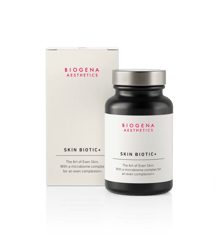
SKIN BIOTIC+
This is not good for your gut and its bacteria:
low fiber
lots of sugar
lots of unhealthy fats
high protein content
alcohol
food additives (found in highly processed foods like ready meals, prepared sauces, etc.)
certain medications (antibiotics, laxatives, contraceptives, hormone supplements, etc.)
Your gut and its bacteria love:
soluble fiber from fruits, vegetables, legumes, and whole-wheat products
bitter plants like milk thistle and artichokes
fermented foods, like sauerkraut
for healthy mucus membranes: vitamins A, B2, niacin, biotin
sufficient liquids, like water or unsweetened herbal tea
choose preparation methods that preserve nutrients (steaming or simmering instead of roasting or frying over high heat)
chewing properly
eating meals in a peaceful and quiet atmosphere
Conclusion – happy gut flora, happy skin
A healthy gut does more than just aid digestion – it can also have a positive effect on your skin. This is because balanced gut flora not only supports your gut feeling, but also your complexion. So if you want to harness the beauty power of your gut bacteria, you should give them what they need: good care, nutrient-rich food and a little attention.
:quality(70))
:quality(70))
:quality(70))
:quality(70))
:quality(70))
:quality(70))
:quality(70))
:quality(70))
:quality(70))