

Blood sugar supplements
Your blood sugar’s acting up? Take a deep breath. Then take action. Even small changes in your daily routine can make a difference—and carefully selected micronutrients can support you in keeping your blood sugar levels naturally balanced.
Filters & Sorting
Biogena Exceptionals
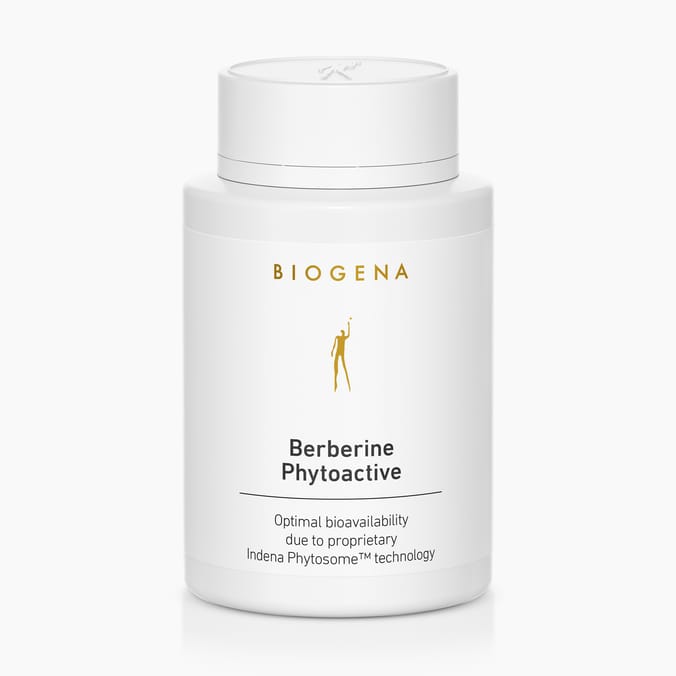
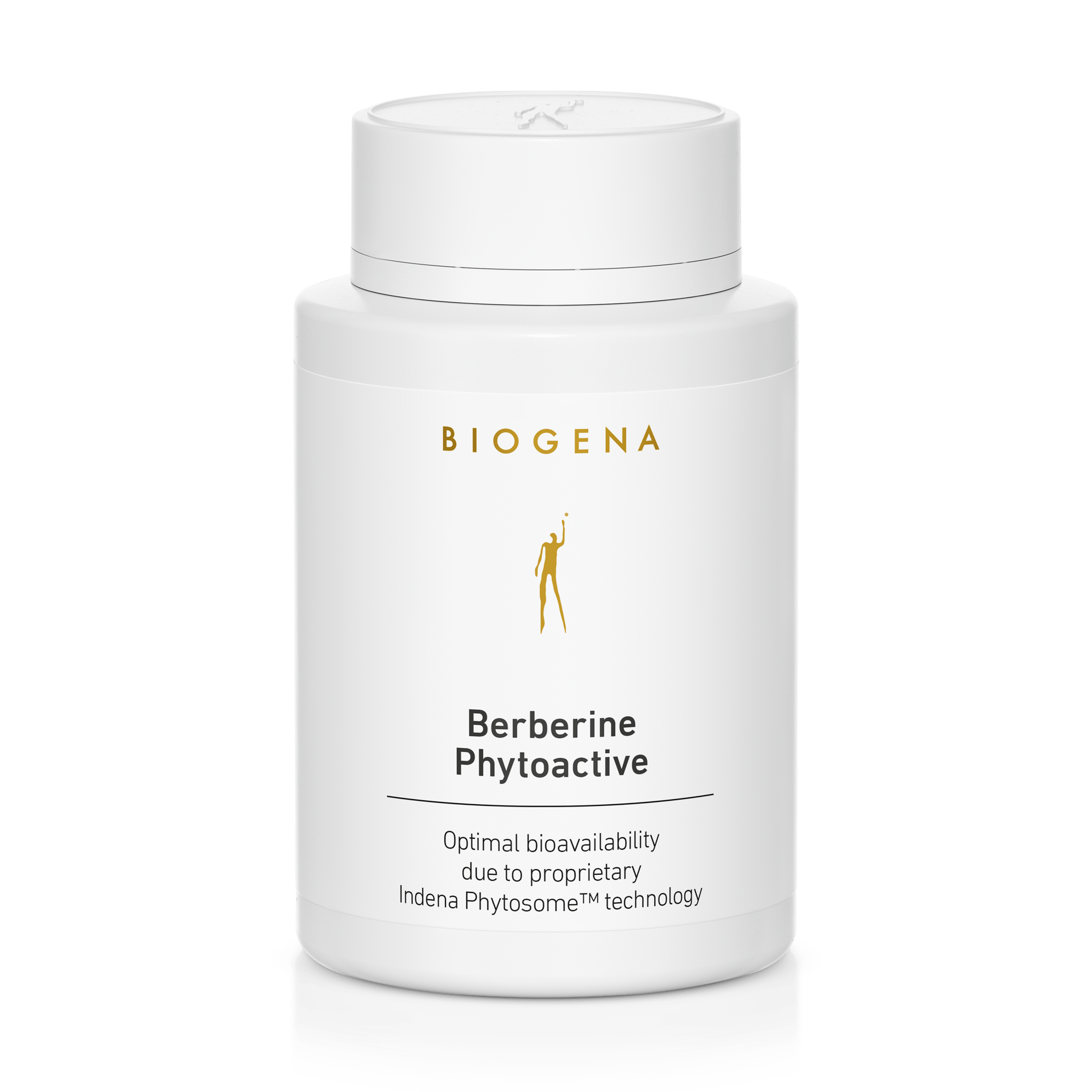
Berberine Phytoactive GoldBerberine capsules with optimum bioavailability
€1,198.00 / kg€59.90- Bestseller
Biogena Exceptionals
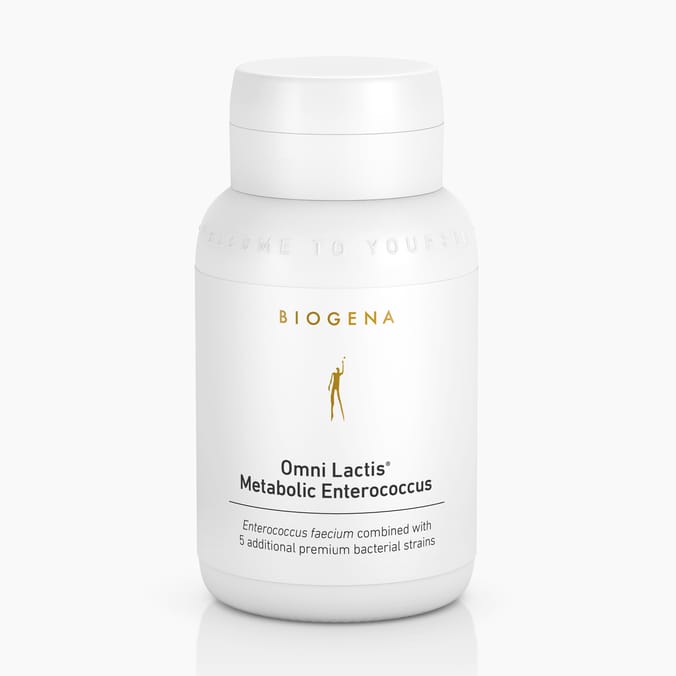
Omni Lactis® Metabolic EnterococcusPowerful bacteria complex with E. faecium
€1,467.65 / kg€49.90 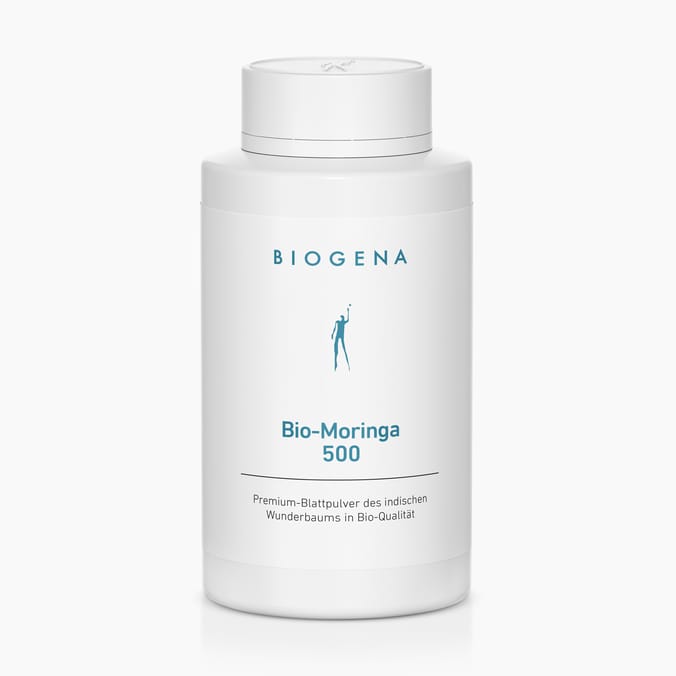
Biogena Essentials
Bio-Moringa 500Capsules with premium leaf powder from the Indian "miracle tree"
€425.33 / kg€31.90
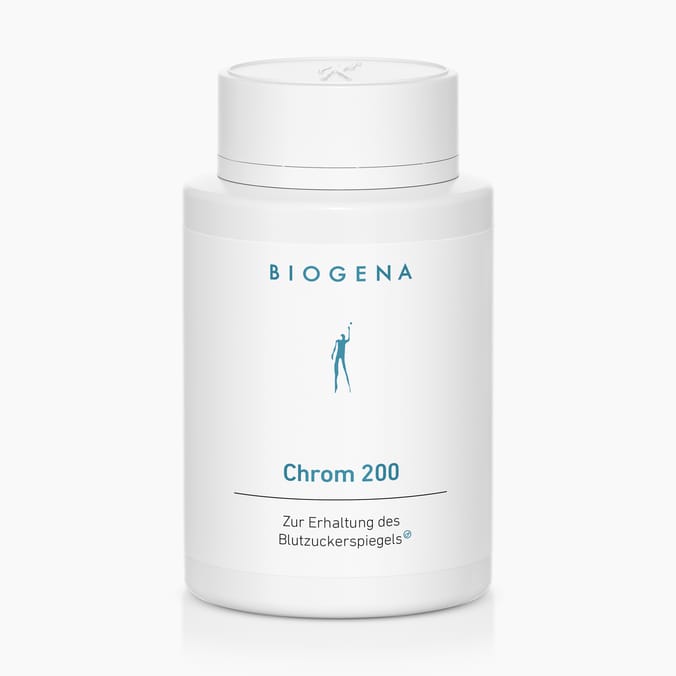
Biogena Essentials
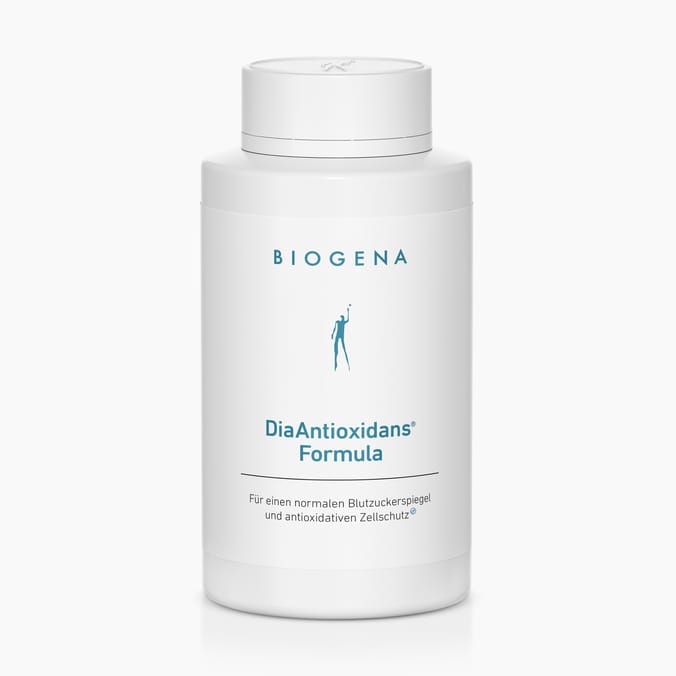
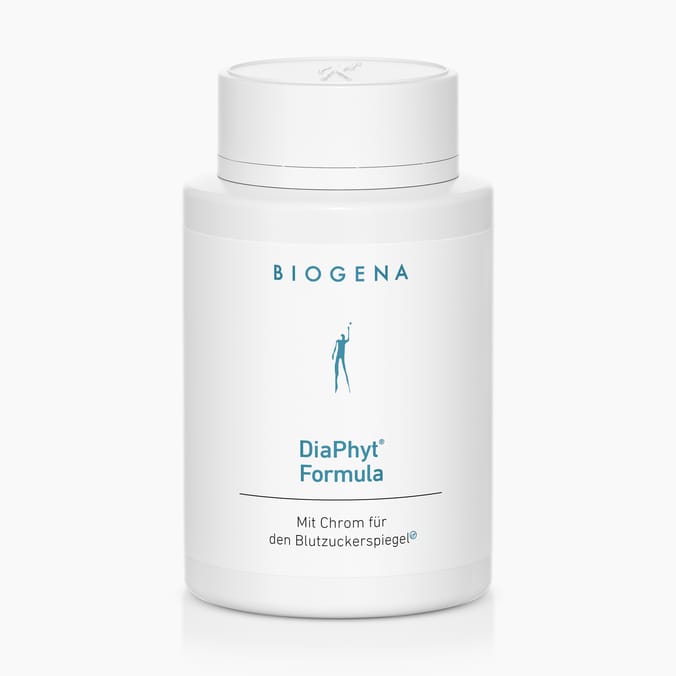
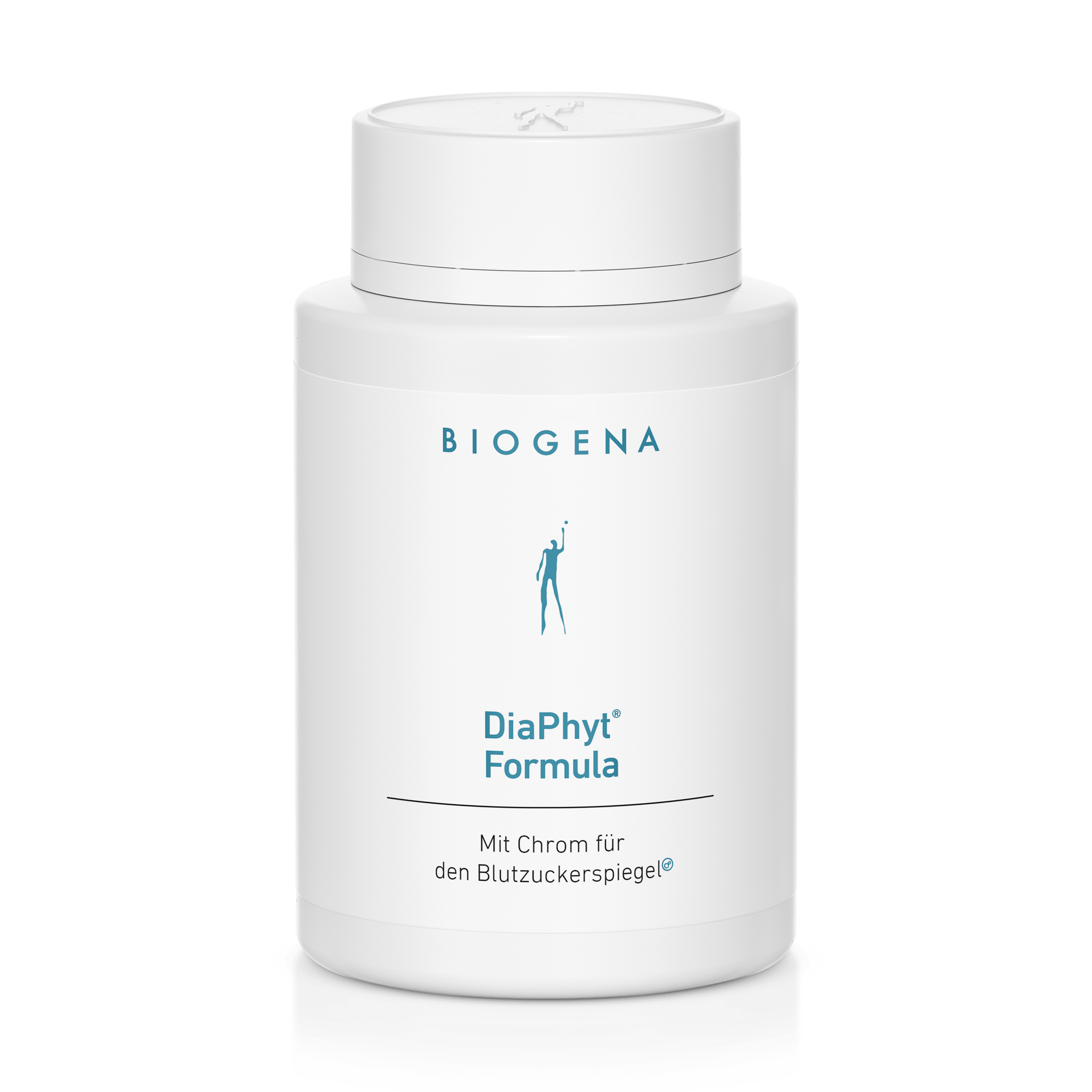
DiaPhyt® FormulaWith plant extracts and the trace element chromium
€972.50 / kg€38.90
When sugar becomes a burden: Why your blood sugar deserves more attention
Your body is a master of balance—especially when it comes to regulating blood sugar. The hormone insulin plays the starring role: it helps transport sugar from the bloodstream into your cells, where it’s used as energy.
But what happens when this finely tuned system gets off track? Sugar can build up in your blood—and while that might sound harmless, it’s anything but. This is how diabetes develops.
Excess sugar reacts with your body’s proteins, forming so-called "sugar-coated" molecules that can damage your cells. At the same time, oxidative stress increases—free radicals attack tissue, putting strain on your body over time.
The result? Long-term damage, such as nerve issues or problems with your blood vessels. These often develop slowly—but when they show up, they’re hard to ignore.
The earlier you monitor your blood sugar, the better. Alongside diet and movement, targeted micronutrient support can help you maintain balance.
Your body does amazing work every day. Give it what it needs to stay on top of that sugar curve.
Which vitamins and nutrients help regulate blood sugar?
Chromium – small but mighty
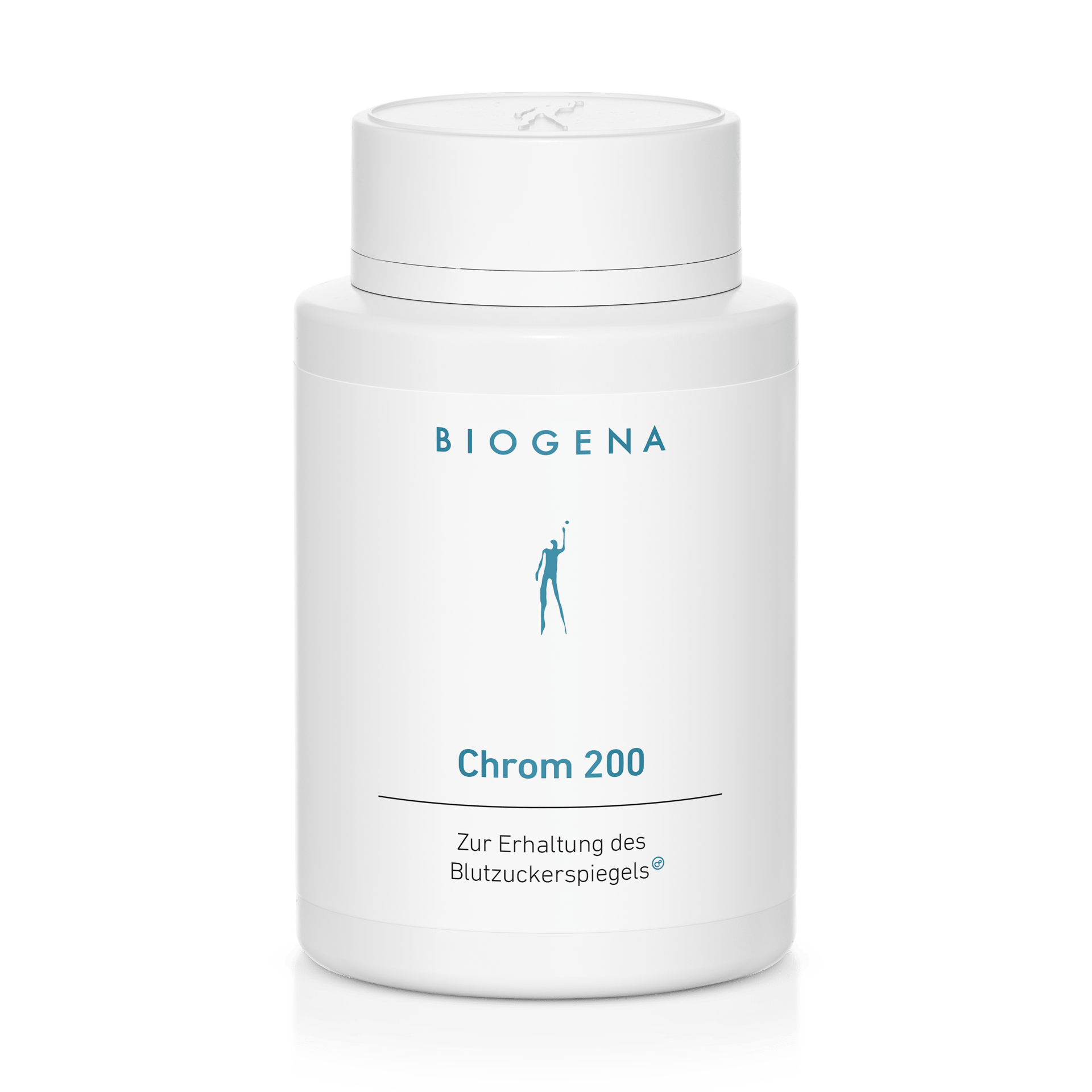
When it comes to blood sugar balance, chromium is the unsung hero of trace elements. It helps your body respond more effectively to insulin—right where it matters most: at the cellular level. Chromium plays a key role in the signaling process that enables sugar to move from your bloodstream into your cells.
That’s not all—this mineral also gets involved at the genetic level, helping regulate genes involved in glucose metabolism.
Interesting fact: People with diabetes often lose more chromium through urine, which may increase their need for it.
Pro tip: Take chromium about an hour before or after meals. That’s when your body absorbs it best.
Vitamin D – what the sunshine vitamin has to do with your blood sugar
A vitamin D deficiency can be linked to reduced insulin sensitivity, poor glucose tolerance, and impaired insulin secretion.
Put simply: without enough vitamin D, your body may struggle to process sugar effectively.
Our tip: Get your vitamin D levels checked regularly—and if needed, support your body with a high-quality supplement. It’s a smart step toward better balance.
Berberine – plant power for your sugar metabolism
Berberine might sound exotic—but when it comes to blood sugar, it’s a real natural powerhouse. The active plant compound is found in the roots of barberry, a plant known for its long history and potent properties. While the red berries are rich in vitamin C, it’s the root that’s caught researchers’ attention.
Berberine has been shown in studies to have antioxidant, inflammation-regulating, and immune-modulating properties.
Exciting findings: In clinical studies, people with newly diagnosed diabetes who supplemented with berberine—without medication but alongside a healthy lifestyle—saw their long-term blood sugar levels (HbA1c) drop significantly within just 12 weeks. On average, the reduction was 13% compared to the placebo group. Their cholesterol and lipid levels also improved.
Gymnema sylvestre – sweetness, redefined
Gymnema sylvestre is a climbing plant with roots in Ayurvedic tradition—and science now confirms its potential.
Its active gymnemic acids work in two ways:
They help reduce glucose absorption in the gut—so your post-meal blood sugar doesn’t spike as sharply.
They alter your taste perception: sweet things don’t taste quite so sweet anymore. That effect can help curb sugar cravings.
Bitter melon – bitter taste, sweet support
Also known as bitter gourd, this fruit might not win a popularity contest in the kitchen, but in blood sugar support, it’s a rising star. Long used in Asian herbal medicine, it’s now making its way into modern research.
From lab tests to clinical trials, bitter melon extract has been shown to support healthy blood sugar levels.
What makes it stand out? The plant contains unique compounds—saponins—that are believed to play a key role in regulating glucose metabolism.
Red ginseng – powerful root, holistic support
Red ginseng is a true classic in traditional medicine—and rightfully so. Today’s studies show that this root offers more than just an energy boost.
Clinical data suggests red ginseng extract can support balanced blood sugar and insulin levels. Even more intriguing: the plant’s active compounds, called ginsenosides, may help protect the beta cells of the pancreas—those responsible for insulin production, which are often compromised in diabetes.
So red ginseng is more than just tradition—it’s scientifically relevant for anyone looking to support blood sugar holistically.
Green tea extract – more than a wellness ritual
Green tea is often associated with mindfulness, calm, and conscious living. But its active ingredients go far beyond the tea cup—especially when it comes to blood sugar.
At the center is EGCG (epigallocatechin gallate), a potent plant compound with antioxidant properties. Research shows that EGCG may directly influence sugar metabolism.
What’s more: green tea extract may help inhibit the formation of harmful sugar-protein compounds that develop when blood sugar remains elevated.
In short: green tea extract isn’t a fad—it’s a daily ritual for anyone who wants to take control of their blood sugar.
More than blood sugar – a holistic perspective
Elevated blood sugar affects more than just your glucose values—it impacts many key systems in the body. So it’s worth broadening your focus:
Two areas in particular deserve attention:
Oxidative stress: When blood sugar stays too high, free radicals build up and stress your cells. Antioxidants like vitamin C, vitamin E, selenium, polyphenols, alpha-lipoic acid, and ubiquinol can help protect cells and support balance.
Nerve health: Long-term elevated blood sugar can damage nerves. Vitamin B12 plays an essential role here—it supports normal nerve function and healthy cell division.
Don’t forget magnesium: People with insulin resistance often show low magnesium levels inside their cells. Replenishing those levels can support key metabolic processes.
The bottom line? Tracking your blood sugar is important—but looking at your whole-body health is essential.
BIOGENA products for blood sugar: capsules & more
 |  |  | |
| Price | |||
| €38.90 | €59.90 | €25.90 | |
| Info | |||
Multi-nutrient support for balanced blood sugar levels | Root extract of the spotted barberry with high bioavailability | The essential trace element chromium in pure, concentrated form | |
| Usage | |||
|
|
| |
| Contents | |||
|
|
| |
At BIOGENA, we create science-based formulas following the Pure Substance Principle. That means: every capsule contains exactly what your body needs—and nothing it doesn’t.
Why no tablets? Simple: tablets require binders, colorants, and fillers. We leave all that out. Our capsules deliver pure, high-quality nutrients—without the extras.
Your blood sugar is largely in your hands. And we’re right here to support you—reliably and transparently.
Ready to take charge of your sugar levels?
Discover more tips and products for a well-balanced you.
FAQs
Lowering blood sugar – your most common questions answered
Sources & Further Reading
Sharma, S. et al. 2011. Beneficial effect of chromium supplementation on glucose, HbA1C and lipid variables in individuals with newly onset type2 diabetes. Journal of Trace Elements in Medicine and Biology. 25:149-153. https://pubmed.ncbi.nlm.nih.gov/21570271/
Berridge, M.J. 2017 Vitamin D deficiency and diabetes. Biochem J; 474(8):1321-1332. https://pubmed.ncbi.nlm.nih.gov/28341729/
Bäumler, S. 2021. Heilpflanzenpraxis Heute – Arzneipflanzenporträts. Elsevier, München. 3. Auflage
Imenshahidi, M., Hosseinzadeh, H. 2016. Berberis Vulgaris and Berberine: An Update Review. Phytother Res. 30(11):1745–1764. https://pubmed.ncbi.nlm.nih.gov/27528198/
Zhang, Y. et al. 2020. Gut microbiome-related effects of berberine and probiotics on type 2 diabetes (the PREMOTE study). Nat Commun. 11(1):5015. https://pubmed.ncbi.nlm.nih.gov/33024120/
Kimura, I. 2006. Medical benefits of using natural compounds and their derivatives having multiple pharmacological actions. Yakugaku Zasshi. 126(3):133-43. https://pubmed.ncbi.nlm.nih.gov/16508237/
Porchezhian, E., Dobriyal, R. M. 2003. An overview on the advances of Gymnema, sylvestre: chemistry, pharmacology and patents. Pharmazie. 58(1):5-12. https://pubmed.ncbi.nlm.nih.gov/12622244/
Krawinkel, M. B., Keding, G. B. 2006. Bitter gourd (Momordica Charantia): A dietary approach to hyperglycemia. Nutr Rev. 64(7 Pt 1):331-7. https://pubmed.ncbi.nlm.nih.gov/16910221/
Oishi, Y. et al. 2007. Inhibition of increases in blood glucose and serum neutral fat by Momordica charantia saponin fraction. Biosci Biotechnol Biochem. 71(3):735-40. https://pubmed.ncbi.nlm.nih.gov/16910221/
Roffey, B. W. et al. 2007. Water extracts from Momordica charantia increase glucose uptake and adiponectin secretion in 3T3-L1 adipose cells. J Ethnopharmacol. 112(1):77-84. https://pubmed.ncbi.nlm.nih.gov/17363205/
Vuksan, V. et al. 2008. Korean red ginseng (Panax ginseng) improves glucose and insulin regulation in well-controlled, type 2 diabetes: results of a randomized, double-blind, placebo-controlled study of efficacy and safety. Nutr Metab Cardiovasc Dis. 18(1):46-56. https://pubmed.ncbi.nlm.nih.gov/16860976/
Kim, H. Y., Kim, K. 2007. Protective effect of ginseng on cytokine-induced apoptosis in pancreatic beta-cells. J Agric Food Chem. 55(8):2816-23. https://pubmed.ncbi.nlm.nih.gov/17381103/
Wolfram, S. et al. 2006. Epigallocatechin gallate supplementation alleviates diabetes in rodents. J Nutr. 136(10):2512-8. https://pubmed.ncbi.nlm.nih.gov/16988119/
Babu, P. V. et al. 2007. Green tea attenuates diabetes induced Maillard-type fluorescence and collagen cross-linking in the heart of streptozotocin diabetic rats. Pharmacol Res. 55(5):433-40. https://pubmed.ncbi.nlm.nih.gov/17336542/
Sign up for our newsletter and get a €10 voucher
Sign up for our newsletter, receive your personal €10 voucher and look forward to exciting insights into the latest product innovations, giveaways and health tips – so you'll be well accompanied on your journey to well-being.