

:quality(70))
01
What is berberine?
Berberine is a naturally occurring bioactive plant substance that is extracted from various medicinal plants such as barberry, goldenseal and turmeric. Chemically, it is an alkaloid and is characterised by its bright yellow colour. Because it is not very water-soluble, it has been used for centuries for dyeing purposes.
Berberine has also been used for centuries in traditional Chinese and Ayurvedic medicine. It is valued for its antimicrobial, antioxidant, anti-inflammatory and blood sugar-lowering properties and is therefore used for a variety of ailments, including digestive problems, diarrhoea, infections and inflammations. In recent years, the active ingredient has also gained prominence in the field of longevity research.
02
Occurrence in food: Where is berberine found & how to take berberine
Berberine is found mainly in certain medicinal plants and is not ingested in sufficient quantities through the normal diet. The best-known plants containing berberine include:
Barberry (Berberis vulgaris): the plant's acidic berries are particularly rich in vitamin C, while the root of this plant contains a high concentration of berberine.
Goldenseal (Hydrastis canadensis): the root of this plant is particularly rich in berberine.
Coptis (Coptis chinensis): this plant is traditionally used in Chinese medicine.
Oregon grape (Mahonia aquifolium): another natural source of berberine.
Since this natural plant substance does not occur in common foods, it is usually taken in the form of dietary supplements.
03
Berberine benefits: what is it good for?
Effect of berberine on cholesterol and blood lipid levels
One of the best-known benefits of berberine is its effect on blood lipid and cholesterol levels – a real metabolism all-star!
Blood lipid levels: Berberine inhibits the formation of new fat deposits in the body and thus supports the fat metabolism.
Reducing cholesterol levels: It has been shown to lower LDL cholesterol (‘bad cholesterol’) and triglyceride levels, while simultaneously increasing HDL cholesterol (‘good cholesterol’).
Berberine for diabetes: effect on blood sugar
Berberine can improve insulin sensitivity and promote the absorption of sugar into cells. Studies show that the plant substance works at the molecular level by activating the so-called AMP-activated protein kinase (AMPK) pathway. This is crucial for the energy balance of the cells.
The effect of berberine on diabetes has been investigated in numerous clinical studies. It has been shown that it can lower blood sugar levels in a similar way to metformin, a common diabetes medication. In addition, berberine helps to reduce insulin resistance and improve HbA1c levels (long-term blood sugar levels). This makes it a valuable aid for type 2 diabetes.
Berberine for blood pressure and cardiovascular diseases
In the case of high blood pressure, berberine has also shown positive effects. It has a vasodilatory effect, improves blood flow and lowers blood pressure in a natural way, making it an interesting supplement for cardiovascular diseases.
Berberine and thrombosis: is there a connection?
Berberine shows potential antithrombotic properties. Studies suggest that berberine could reduce the risk of blood clotting by inhibiting platelet aggregation and reducing inflammatory processes.
Berberine also shows possible beneficial effects on endothelial function and lipid levels, which could further reduce the risk of thrombosis. However, the data to date are limited and lack comprehensive human clinical studies to confirm a clear link between berberine and the prevention or treatment of thrombosis.
Effect of berberine on the gut
Gut health plays a crucial role in overall well-being, and berberine can help here too. It has antimicrobial properties and helps to reduce harmful bacteria in the gut without affecting beneficial bacteria. It can therefore be helpful for gastrointestinal complaints such as diarrhoea, irritable bowel syndrome or bacterial infections.
Berberine also has anti-inflammatory effects on the intestines and could help with chronic inflammatory bowel diseases such as Crohn's disease or ulcerative colitis.
Berberine and weight loss
Berberine can support weight loss by stimulating the metabolism and promoting fat burning. Studies show that the plant substance regulates the activity of hormones that influence appetite and fat storage. It can reduce fat absorption in the intestines and increase fat burning in the liver. People who are overweight or obese could therefore benefit from berberine supplementation. But berberine can also help people who want to reduce their abdominal fat. Nevertheless, losing weight requires a healthy lifestyle with a balanced diet and sufficient physical activity.
The right dosage for losing weight: 500 mg berberine 3 times a day is recommended for losing weight. However, the dosage can also be lower to achieve the desired effect due to the capsules' particularly high bioavailability.
Berberine and longevity
One particularly exciting aspect of berberine is its potential influence on longevity. Animal research has shown that berberine has antioxidant and cytoprotective properties that can slow down the aging process. It activates enzymes that are responsible for cell regeneration and protect against degenerative diseases such as Alzheimer's and heart disease. This process is supported above all by protection against oxidative stress. This combats free radicals in the body and thus counteracts cell ageing. Further human research is definitely needed in this area – however, the results regarding improved insulin sensitivity and the reduction of cell stress and inflammation are very promising.
04
Berberine dosage: How much berberine per day?
The recommended daily dose of berberine is 500-1500 milligrams per day. In order to benefit from the positive effects of berberine, dietary supplements should be taken regularly for at least 12 weeks. To get started, a lower dose is often recommended to test tolerability.
The innovative phytosome technology combines berberine with plant-based lecithin. This increases the bioavailability, meaning that a lower dosage is required. At the same time, this also improves tolerability.
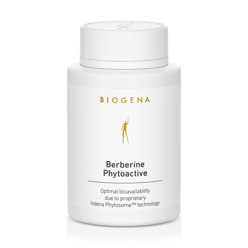
Berberine Phytoactive Gold
:quality(70))
:quality(70))
:quality(70))
:quality(70))
:quality(70))
:quality(70))
:quality(70))
:quality(70))
:quality(70))