

:quality(70))
01
Signs that your liver needs a break
Your liver is a real powerhouse, working flat out in the background and rarely complaining loudly, but even it needs a break sometimes. Do you often feel tired, unwell or have a feeling of fullness or pressure in your upper right abdomen? Then your body is telling you: it's time to give your liver a break. Especially after stressful periods or too much indulgence – whether it's alcohol, fatty foods or sweets – it's important to give your liver a break. Even small changes can help – and you'll feel how good it is for you.
Symptoms of an overworked liver at a glance:
Fatigue
Malaise
Feeling of fullness
Pressure in the upper right abdomen
02
How can we detoxify the liver naturally?
Our liver is normally quite capable of looking after itself. However, if we demand too much of it, it needs support.
Liver-friendly diet & foods that detoxify the liver
Proper nutrition plays an important role in this: Less fat, sweets and fast food, and more fresh, unprocessed foods are really good for you. You should also avoid avoidable toxins such as nicotine, alcohol and unnecessary medication (only in consultation with your doctor) during a detoxification phase. If you give your liver regular breaks, it will stay fit and efficient – and you will feel better all round.
If you want to consciously protect your liver, you can follow the general recommendations for a healthy diet: varied, unprocessed, organic, local and plant-based.
Recommended foods include:
Foods | Effect on the liver |
|---|---|
Green leafy vegetables (e.g. spinach, kale, rocket) | Rich in antioxidants that help detoxify the liver. |
Types of cabbage (e.g. broccoli, brussel sprouts, red cabbage, radishes) | Activate fat metabolism and support bile flow. |
Tomatoes, paprika, fennel, zucchini | Promote detoxification, especially tomatoes due to their glutathione content. |
Artichokes | Activate fat metabolism and support liver function. |
Radicchio, chicory | Contain bitter compounds that stimulate bile flow and fat metabolism. |
Dandelion | Supports normal liver function and promotes healthy digestion. |
Beetroot | Contains betaine, which supports the liver in detoxification. |
Berries (e.g. blueberries, raspberries, blackberries, kiwis) | Rich in antioxidants and dietary fibre, which support liver cleansing. |
Citrus fruits (e.g. lemons, grapefruits) | Activate liver enzymes and promote detoxification. |
Legumes | Assist the liver in detoxification through valuable fibre and plant protein. |
Whole grain products | Assist the liver in detoxification through fibre and stable blood sugar levels. |
Oats (e.g. oat flakes) | Contains beta-glucan, which cleanses and detoxifies the liver. |
Walnuts | Contain omega-3 fatty acids, which reduce fat accumulation in the liver. |
Avocado | Rich in healthy fats and antioxidants that support the liver. |
Extra virgin olive oil | Promotes liver cleansing through healthy fats. |
Protein sources (e.g. fish) | Promote the regeneration of liver cells. |
Garlic | Supports detoxification through sulphur compounds and lowers cholesterol. |
Curcuma | Has strong antioxidant properties and reduces inflammation in the liver. |
Ginger | Promotes liver detoxification and has anti-inflammatory properties. |
Probiotic foods (e.g. yoghurt, kefir, sauerkraut) | Supports gut health and indirectly liver function. |
L-arginine (e.g. in pumpkin seeds, pine nuts, chicken meat) | Promotes liver detoxification. |
Lemon water | Activates digestive enzymes and promotes liver detoxification. |
Herbal teas (e.g. green tea, ginger tea) | Promote liver detoxification with antioxidants and anti-inflammatory properties. |
Black cofffe and tea | Support liver metabolism with bitter compounds. |
Table 1: Foods for the liver
De-stressing
But your lifestyle also plays an important role. Constant stress not only weighs on our psyche. In fact, our liver also suffers as a result – because constant stress and the stress hormone cortisol are anything but liver-friendly in the long term. Reducing stress and slowing down is therefore a real boost for your liver. So make a conscious effort to take time out to find your inner balance and give your liver the rest it needs.
Relaxing alkaline baths, long walks or gentle yoga exercises, for example, help you to de-stress from everyday life and serve as a holistic cleansing.
03
How can you specifically support your liver?
Did you know that your liver particularly appreciates herbal remedies? Bitter substances from plants such as artichoke, milk thistle and dandelion can help your liver to work even better. These plant extracts also aid digestion by contributing to normal liver function and normal bile production. This allows you to specifically support your body's powerhouse and help it to work even more effectively.
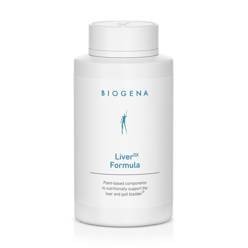
Liver DX Formula
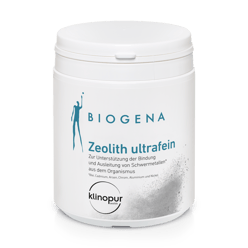
Zeolith ultrafine
In addition, micronutrients – such as vitamins, minerals and trace elements – play a crucial role in keeping your liver's enzymatic clock ticking. As so-called co-factors, they ensure that the liver enzymes work smoothly. Zinc, for example, makes an important contribution to fat and carbohydrate metabolism and, together with other micronutrients such as vitamin B (riboflavin) and selenium, helps to protect cells from oxidative stress. With the right supply of nutrients, you can actively do something for the health of your liver.
04
Other home remedies for liver care
In addition to a healthy diet and supportive dietary supplements, there are many simple home remedies that are good for your liver.
Bases & fluids
Maintaining a balanced acid-base balance is a constant challenge for our bodies. Especially after heavy meals with lots of meat, fat and sugar, a diet rich in vital substances and alkaline-forming foods such as fruit, vegetables, algae and herbs is good for your liver. In addition, special supplements can provide valuable alkaline compounds. And don't forget: drink at least two litres of water or unsweetened organic herbal teas every day – this keeps your liver fit and supports its detoxification processes.
Liver wrap
A tried-and-tested home remedy for liver care is the liver wrap. It stimulates blood circulation and thus promotes liver processes. To do this, dip a small towel in hot salt water, wring it out, fold it in half and place it over your liver. Then place a hot water bottle on top and wrap a larger towel around your stomach as tightly as possible. Leave it on your stomach for 30 minutes and rest, and your liver will thank you! (Note: Do not use if you have bleeding and/or ulcers in the digestive tract!)
Sports
Exercise is not only good for your fitness, it also helps your liver to perform its detoxification work more efficiently. When you sweat, not only salts but also waste products are removed from the body. Exercise stimulates the metabolism and promotes liver activity – keeping you fit and your liver in top condition.
Fasting
Fasting can help your liver regenerate and activate its detoxification processes. In particular, intermittent fasting has been shown to be beneficial, as it gives the liver regular breaks, enabling it to work more efficiently. Taking breaks between meals is also a simple way to relieve the liver and promote its natural detoxification.
Targeted rest days such as an ‘oat day’ or mock fasting are just the thing, especially after a period of indulgence. They give your liver a break and support it with healthy foods and natural home remedies.
Caution: Extreme fasting diets that promise rapid detoxification in just a few days are not necessarily sustainable and can do more harm than good.
Reducing pollutants and toxins
The best thing for your liver is, of course, to avoid harmful substances. Wash plant-based foods such as rice, vegetables and fruit thoroughly before eating them – even if they are organically grown. Stay away from busy roads to avoid air pollution. When it comes to cosmetics and cleaning products, opt for natural products – this will not only protect your liver, but also your health.
05
Frequency & duration: How often and for how long should we relieve the liver?
How often and for how long you give your liver a break depends entirely on your lifestyle, diet, predisposition and exposure to toxins. If you are under a lot of stress, take medication or frequently consume fatty foods and alcohol, it may be a good idea to give your liver a regular break. An annual or biannual break is definitely good for your detoxification organ. Your liver will always appreciate these liver-friendly days, during which alkaline foods and liver-supporting substances dominate.
:quality(70))
:quality(70))
:quality(70))
:quality(70))
:quality(70))
:quality(70))
:quality(70))
:quality(70))
:quality(70))