

:quality(70))
01
How do you recognise stress? The main signs
Before we look at specific strategies for reducing stress, it is important to understand how stress manifests itself. Typical signs of stress in the body include:
Physical symptoms such as tension, headaches or sleep disorders
Emotional reactions such as irritability, inner restlessness or exhaustion
Mental signs such as concentration difficulties or ruminating
Behavioural changes such as eating hastily or social withdrawal
While short-term stress can be inspiring (e.g. in exam situations), chronic stress without sufficient recovery periods becomes a problem. Hans Selye, a physician and pioneer in stress research, defined stress as ‘the body's non-specific response to demands’. What is crucial here is not only the stress itself, but above all how we deal with it.
02
Why is stress reduction so important?
Constant stress without sufficient periods of relaxation can have various negative effects:
Health consequences such as an increased risk of cardiovascular disease
Mental stress, including burnout or depression
Impaired performance and concentration
Negative effects on relationships and social life
The good news is that with the right strategies and a little practice, anyone can learn to deal with stress better and take active steps to counteract it. The following 12 scientifically based methods will help you to sustainably reduce stress.
03
How can I reduce stress levels? 12 proven tips to reduce stress
These days, many of us are under stress that we can neither fight nor avoid. It is precisely this often intangible, long-term stress that we should declare war on for the sake of our health. The following twelve scientifically based strategies can help you to sustainably reduce stress.
1. Micronutrients: natural resistance to stress
Contrary to popular belief, the metabolism of people under stress is not on the back burner, but in high gear. This overactivity increases the need for vitamins and minerals and intensifies the formation of radicals in the body. Unfortunately, we tend to neglect nutrient-rich foods when we are under pressure and crave unhealthy comfort foods. But only those who are well supplied can successfully withstand stressful situations. And what's more, selected micronutrients and plant extracts can – when used in a targeted manner – help you to keep a cool head in times of constant stress.
2. Sleep: the relaxing formula against stress
We are all familiar with the feeling of nerves being on edge and concentration at rock bottom after a sleepless night. Sleep is not only important for strong nerves and a sharp mind, it also helps with mental hygiene, stress management, and our ability to adapt and learn. While children often fall asleep after a glass of milk with honey, adults can support their night's rest with special plant extracts and vital substances.
3. Digital detox: pleasant silence
We've all been there: a quick glance at your phone turns into a digital trip around the world – and before you know it, it's almost midnight. According to a study, we look at our phones around 150 times a day on average. However, the never-ending digital data stream can become stressful. That's why ‘digital detox’ is a popular ‘fasting trend’, where you consciously put your tablet, mobile phone and other devices aside for a certain period of time. The digital detox is designed to reduce stress and help you become more mindful of what's important in life.
4. Sport: physical activities to reduce stress
It is basically in our nature to react to stress with movement (flight or fight response). But nowadays, we often literally ‘get stuck’ with our stress. It's time to rethink and take action! Incorporating moderate exercise (especially endurance sports) into our stressed lives offers the body an outlet to get rid of stress hormones. What's more, sport gives us a good portion of happiness hormones as well as better physical and mental resilience – in all areas of life.
5. The green pill – an underrated secret weapon
The sound of water, birdsong, leaves rustling. What better way to relax than in the lap of Mother Nature? Spending 20–30 minutes three times a week taking in the green lung can successfully relieve stress. Forest bathing is particularly popular: under the protection of the forest giants, stress and the pressures of everyday life fade into the background, at least for a while. The refreshing effect is felt on a spiritual level, but it also gives cells and organs time to regenerate.
6. 5 minutes of self-care everyday – minimum!
A warming cup of tea with relaxing music, a soothing bubble bath by candlelight, a little meditation to tune into your inner self – there are wonderful ways to love and care for yourself that you can treat yourself to every day, and that help keep stress hormones in check.
7. Mindfulness and meditation: the key to inner peace
Mindfulness and meditation are scientifically well-researched, powerful tools for coping with stress. Just 10–15 minutes of meditation a day has been shown to be enough to lower cortisol levels and alleviate stress symptoms. Focusing on the present moment helps to stop the mental chatter and find inner balance. Guided meditations and mindfulness apps for beginners are particularly effective. Practising meditation regularly not only strengthens your stress resilience, but also improves your emotional regulation and general well-being.
8. Relaxation and breathing techniques to reduce stress: the power of conscious breathing
Our breathing is a natural stress regulator that we can use anytime, anywhere. The 4-7-8 breathing technique (inhale for 4 seconds, hold for 7 seconds, exhale for 8 seconds) or Jacobson-style progressive muscle relaxation are proven methods for reducing acute stress. These techniques activate the parasympathetic nervous system, our body's own relaxation mode, and can reduce stress hormones within minutes. Practising these techniques regularly makes them valuable tools in stressful situations.
9. How to reduce stress at work: conscious break management and the art of strategic time-out
Our brain needs regular breaks to stay productive. The Pomodoro technique (25 minutes of work, 5 minutes of break) or 90-minute blocks of focus are effective methods to prevent stress from overwork. Micro-breaks of 2-3 minutes, during which you consciously take a deep breath and stretch, can already noticeably reduce your stress level. It is important to actually take these breaks and not to consider them as ‘wasted time’.
10. Effective time management: reduce stress through better planning
Many stressful situations arise from a lack of planning and the feeling of constantly playing catch-up. The Eisenhower Matrix for prioritising tasks or the ALPEN method for planning your day are proven time management tools. Use realistic time buffers and consciously plan ‘buffer times’ for the unexpected. Delegating tasks and setting clear boundaries are essential for sustainable stress management.
11. Maintain social contacts: together against stress
Humans are social beings, and social support is invaluable, especially in times of stress. Regular conversations with friends or family, even if they are only brief, can reduce stress hormones and promote positive emotions. Studies show that people with a stable social network are better able to cope with stress. Sharing experiences in self-help groups or doing sports together can also help to reduce stress and gain new perspectives.
12. When life gives you lemons, make lemonade
No matter what life brings, it is easier to live if you embrace it with all its facets. Studies show that people with a positive outlook on life find it easier to get through life and are healthier. The good news is that positive thinking can be learnt and become a personal game-changer. Those who focus on their own strengths, avoid comparisons and use the power of laughter are well on their way to a more positive and serene life.
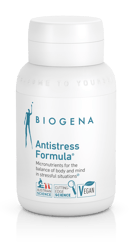
Antistress Formula®
04
How long does it take to reduce stress?
The way we each perceive and process stress is as individual as the way we each relax. A number of factors play a role in relaxation and stress relief, including the extent of the previous stress exposure, individual stress resilience, mental attitude and the chosen coping strategy. The fact is that we should regularly and actively seek relaxation to ensure a healthy balance between tension and relaxation. Since stress hormones have a physical and mental after-effect, it can take several weeks to reduce stress, especially after severe stress exposure.
:quality(70))
:quality(70))
:quality(70))
:quality(70))
:quality(70))
:quality(70))
:quality(70))
:quality(70))
:quality(70))