

Potassium supplements
Potassium is an essential mineral and electrolyte your body needs for a variety of processes. Since your body can’t produce it on its own, it’s crucial to get it through your diet or high-quality supplements.
Filters & Sorting
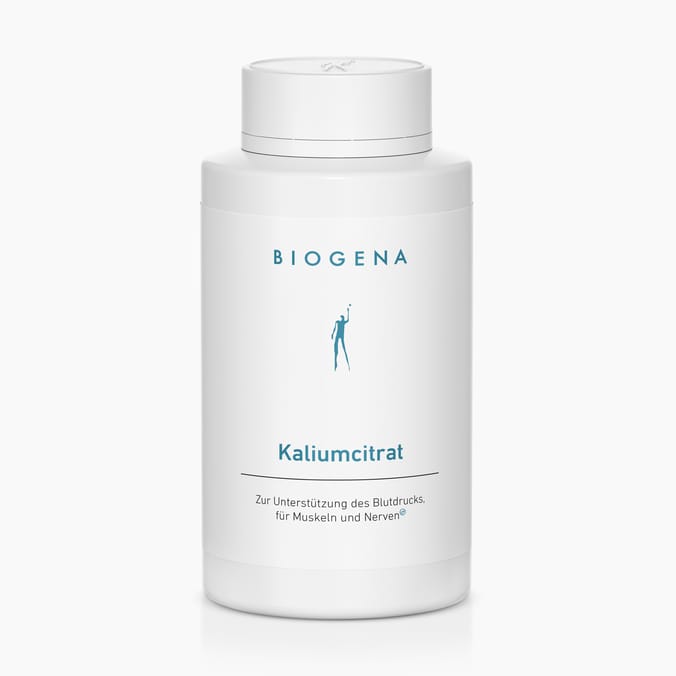
Biogena Essentials
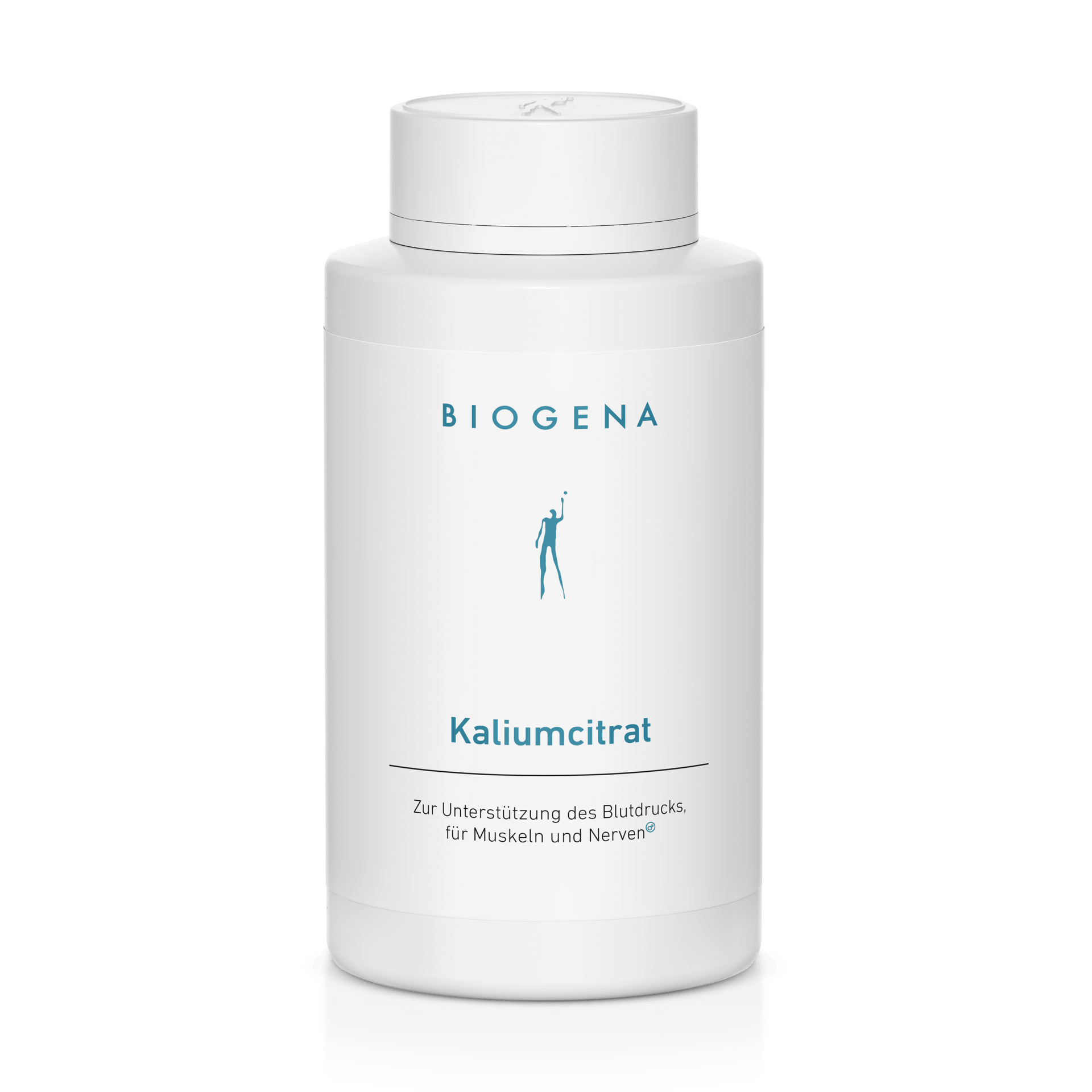
Potassium citratePure potassium in the form of the citrate compound
€261.11 / kg€32.90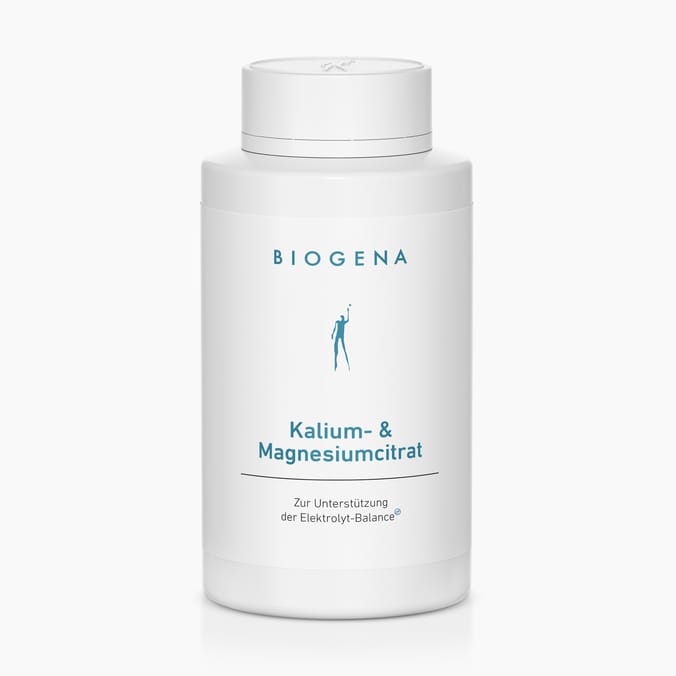
Biogena Essentials
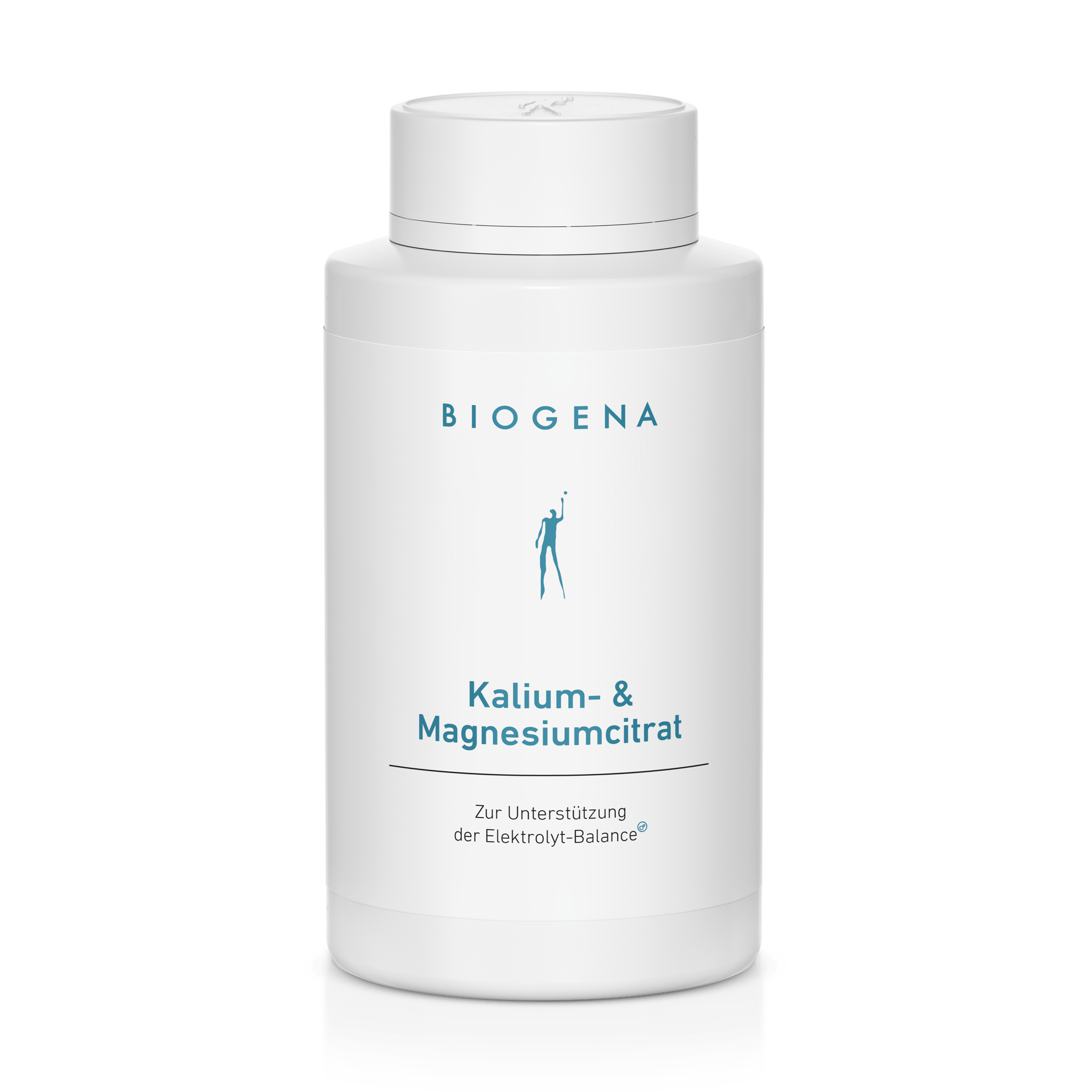
Potassium Magnesium CitrateThe mineral duo potassium and magnesium
€351.76 / kg€29.90
- New
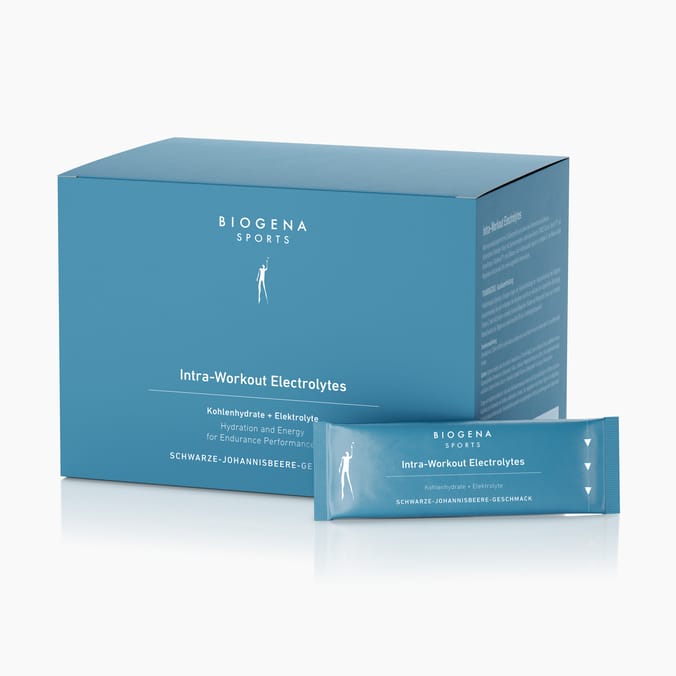
Biogena SPORTS
Intra-Workout ElectrolytesCarbohydrate-electrolyte drink with red currant-lime flavor
€66.50 / kg€39.90 - Bestseller
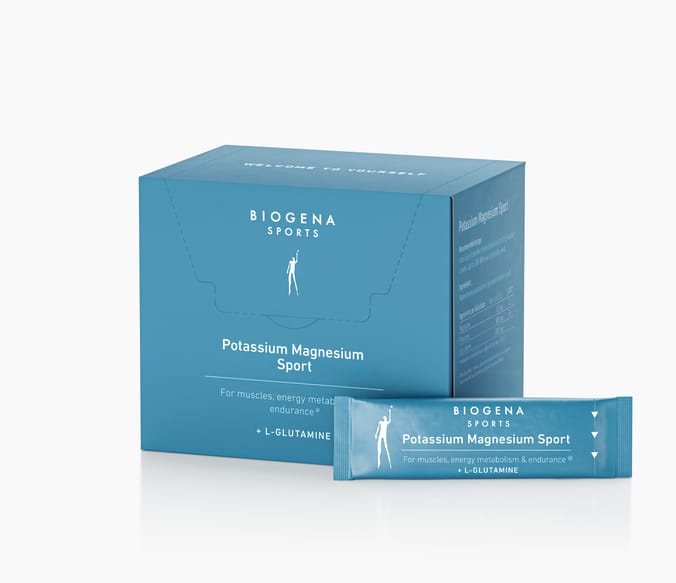
Biogena SPORTS
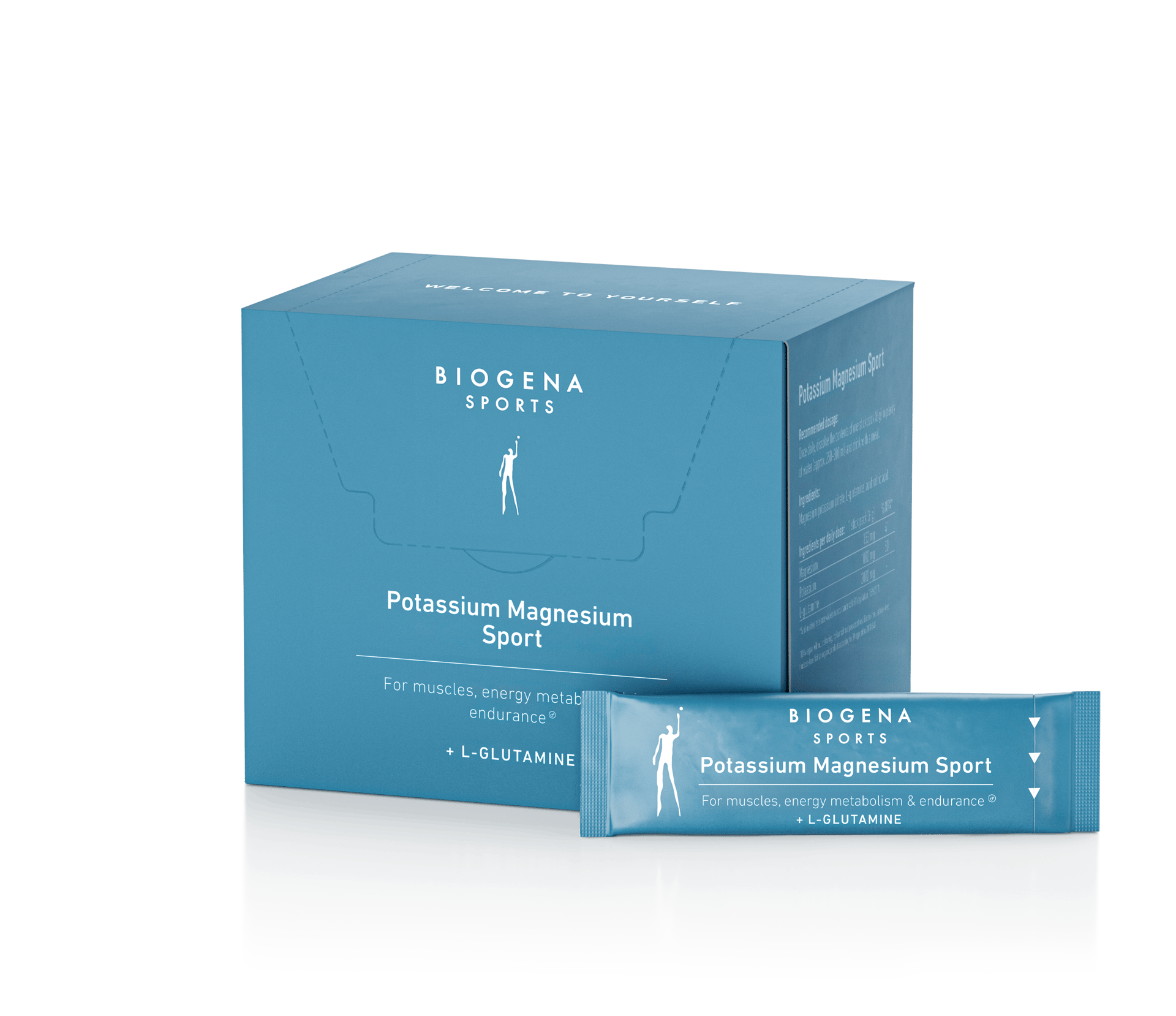
Potassium Magnesium SportMagnesium, potassium & L-glutamine - your training companion for strength and endurance sports
€221.67 / kg€39.90 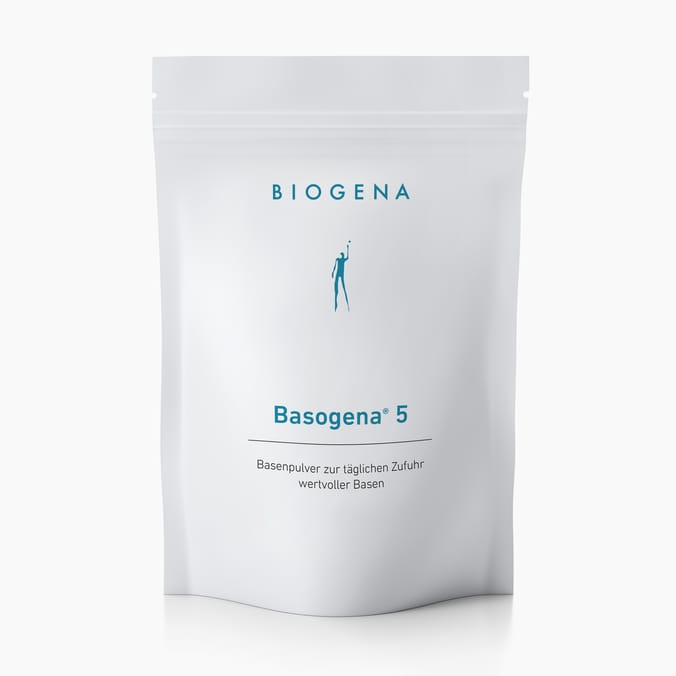
Biogena Essentials
Basogena® 5 - alkaline powderAlkaline powder with selected mineral compounds for the acid-base balance
€175.60 / kg€43.90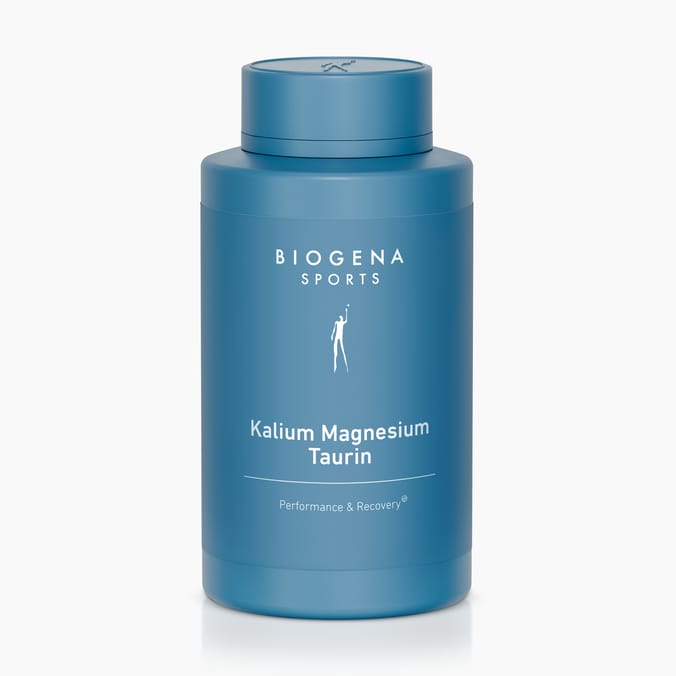
Biogena SPORTS
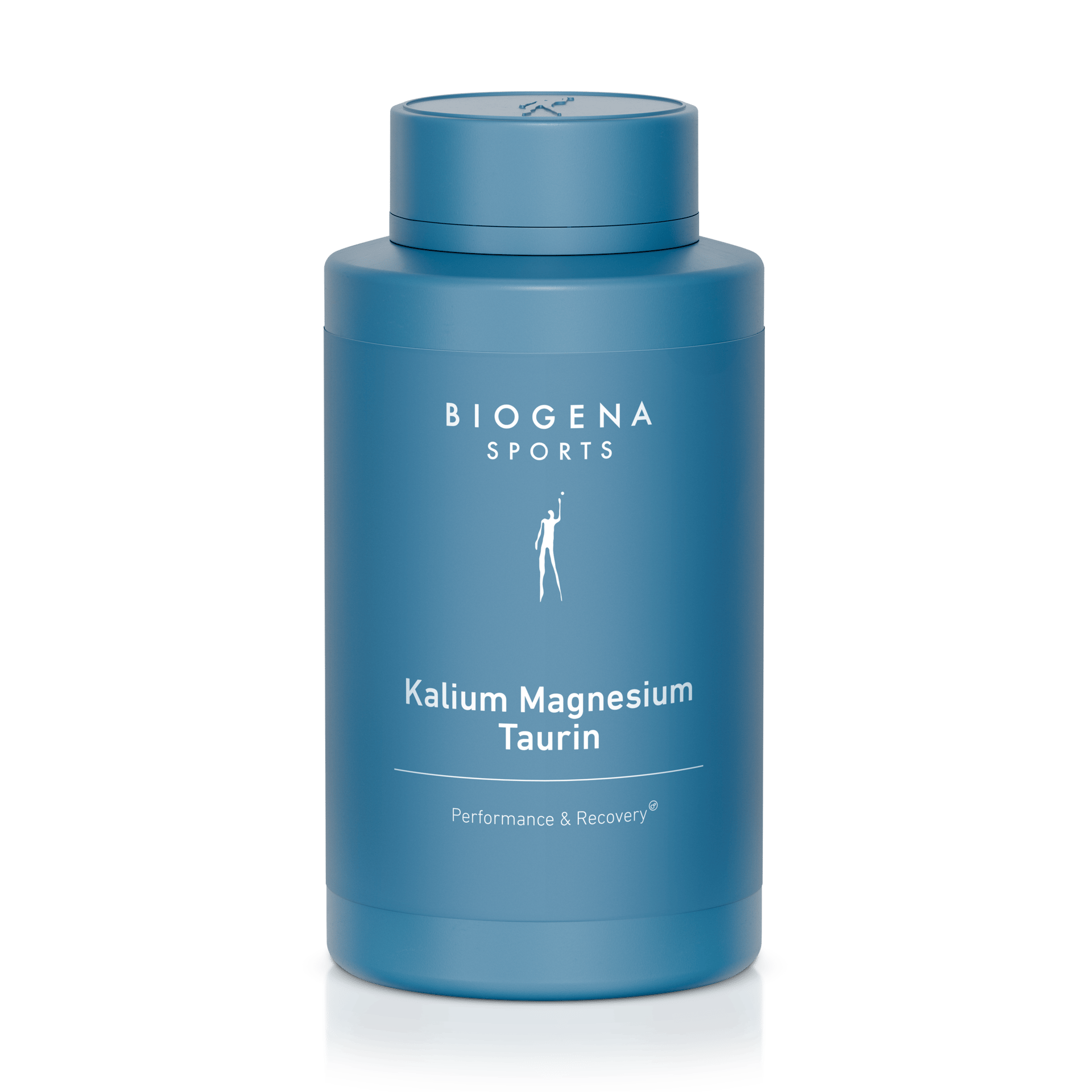
Potassium Magnesium Taurine B6Minerals for muscles, energy & electrolyte balance - perfect after training.
€320.69 / kg€27.90
Biogena Essentials
Basogena® 5 - alkaline powderBase powder with selected mineral compounds
€299.17 / kg€35.90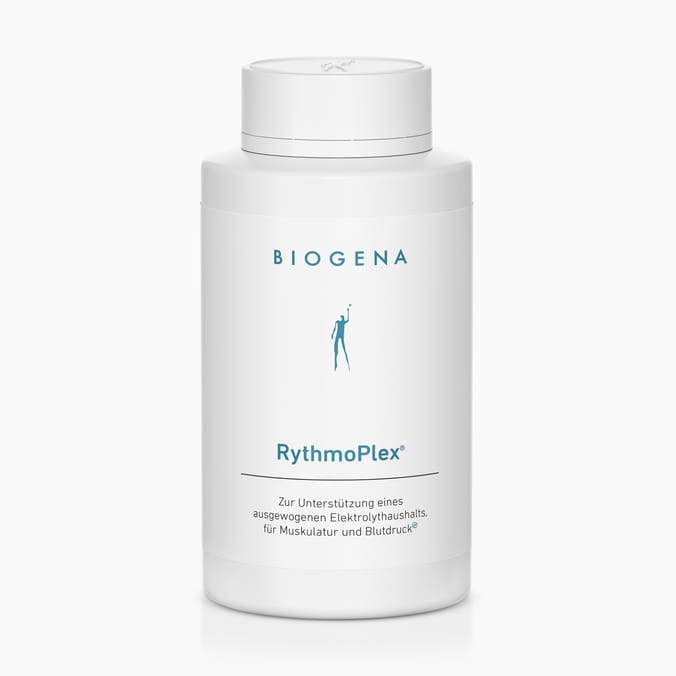
Biogena Essentials
RythmoPlex®To support a balanced electrolyte balance, for muscles and blood pressure
€364.52 / kg€33.90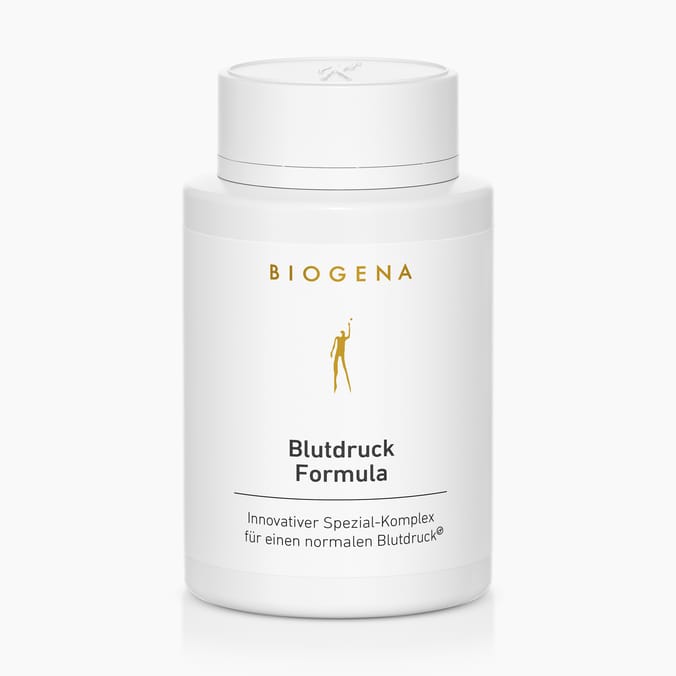
Potassium – the all-rounder for your body
Potassium is more than just a mineral – it’s a vital part of your body and plays a role in many functions. Especially popular among athletes, potassium-rich bananas after running or cycling have become a classic in sports nutrition. But what makes potassium so special, how much do you need, and what happens if you’re deficient? Let’s break it down
Effect: these body functions rely on potassium
Potassium is one of the essential macrominerals and one of the most important electrolytes in your body. Most of your potassium reserves are stored in your cells, particularly in your muscle cells, with smaller amounts found in your liver, bones, and red blood cells. In your body, potassium performs several life-critical tasks:
Energy metabolism & fluid and acid-base balance: Potassium is important for energy production and the regulation of water and acid-base balance. Together with sodium, it ensures that the fluid levels in your body remain in balance.
Heart and muscle function: Potassium plays a key role in maintaining healthy heart and muscle function and helps regulate blood pressure.
Nerve function: Potassium is also essential for the function of your nerve cells. A lack of potassium can prevent nerve impulses from being transmitted properly, which can disrupt signal transmission. A balanced potassium level therefore helps your nerves to work efficiently and smoothly.
How does a potassium deficiency occur?
A potassium deficiency can develop if your body’s needs aren’t met over a long period. Normally, a balanced diet provides enough potassium, but certain risk factors like stress, medication use, and high alcohol consumption can increase the likelihood of a deficiency.
Potassium needs – here’s how to meet them
The German Nutrition Society recommends a daily potassium intake of around 4,000 mg. In special cases, such as high blood pressure or the risk factors mentioned above, the need may be higher. Potassium is absorbed through food and excreted through the kidneys. If you have healthy kidneys, regulating your potassium levels is straightforward. However, if kidney function is impaired, caution is necessary, as potassium excretion may be affected.
Potassium in foods
Some fruits like bananas, apricots, and plums
Certain vegetables like tomatoes, carrots, kohlrabi, and broccoli
Whole grains like spelt and rye bread
Oats and buckwheat
Potatoes
Mushrooms like chanterelles
Legumes like lentils and soybeans
Nuts like hazelnuts, cashews, and almonds
Cocoa beans and dark chocolate
Dairy products
In concentrated forms, such as dried fruits or tomato paste, potassium content is higher.
Tip: Be mindful when preparing food, as soaking and cooking can cause potassium loss. If it’s challenging to meet your potassium needs solely through food, potassium supplements can be a valuable support.
Supplementing potassium – meet your needs with potassium dietary supplements
If you can’t meet your potassium needs through diet alone, potassium capsules, powders, or drops are excellent options. Potassium powder offers the advantage of flexible dosing and easy dissolution in water. When choosing potassium supplements, it’s important to select high-quality products that provide precise dosing and are well-tolerated. Make sure to buy from trusted brands.
By the way, did you know that combining potassium with magnesium can be beneficial?
BIOGENA potassium supplements comparison
 |  |  |  | |
| Price | ||||
| €32.90 | €39.90 | €29.90 | €27.90 | |
| Info | ||||
Single supplement for targeted potassium intake | Combo supplement with potassium, magnesium, and L-glutamine | A combination supplement containing the mineral duo of potassium and magnesium | A ombo supplement for athletes containing potassium, magnesium, taurine and activated vitamin B6 | |
| Application | ||||
|
|
|
| |
| Potassium content | ||||
375 mg potassium per capsule - 1,500 mg per recommended daily dose | 1,000 mg potassium, 153 mg magnesium, and 2,000 mg L-glutamine per stick |
|
| |
| Dosage form | ||||
Capsule preparation | Powder in sticks | Capsule supplement | Capsule supplement | |
Conclusion – potassium for health
Potassium is a vital mineral that supports numerous essential functions in the body. From energy metabolism to heart and muscle function – potassium plays a central role in your health. Many plant-based foods provide valuable potassium sources. If you’re struggling to meet your needs through diet alone, taking potassium supplements can help fight deficiency. Remember, maintaining a balanced potassium level is key to not just your body but your overall well-being.
FAQs
Questions about potassium, usage & supplements? We’re here to help.
Sign up for our newsletter and get a €10 voucher
Sign up for our newsletter, receive your personal €10 voucher and look forward to exciting insights into the latest product innovations, giveaways and health tips – so you'll be well accompanied on your journey to well-being.