

:quality(70))
01
Energy requirements during exercise: What does your body really need?
Every movement costs energy – but how much exactly? Your individual requirements depend on various factors: body weight, height, training intensity, duration and personal goals.
While endurance athletes rely on a high carbohydrate intake, strength athletes primarily need protein for muscle building. The goal is to provide the body with exactly the right amount of energy without overloading it. A nutritionally balanced diet ensures that the body is supplied with sufficient energy without building up unnecessary fat reserves.
02
Sport and nutrition for athletes or a sports person: a simple explanation at a glance
To keep your body performing at its best, it needs a balanced combination of macro- and micronutrients:
Carbohydrates provide quick and sustained energy
Proteins are the building blocks for muscle growth and regeneration
Fats ensure sustained energy and cell health
Vitamins and minerals support numerous bodily functions
Water keeps you hydrated and performing at your best
The role of carbohydrates in sports nutrition: your fuel for peak performance
Carbohydrates are the main source of energy for intense exercise. But not all carbs are the same:
Complex carbohydrates (whole grains, legumes) provide long-lasting energy.
Simple carbohydrates (fruit, honey) give you a quick boost before training.
Pay attention to timing: Carbohydrates provide energy before your workout and help replenish your glycogen stores afterwards. Since our storage capacity for carbohydrates is limited, we recommend incorporating a certain amount of carbohydrates into your diet every day, especially if you do endurance sports.
The role of proteins in sports nutrition: muscles love protein
Protein is the key to muscle growth and recovery. But it also plays an important role in our bones, connective tissue, cell and energy metabolism, hormone balance and immune system. The best sources of protein are lean meat, fish, eggs, dairy products and plant-based alternatives such as lentils, beans and tofu. Studies show that just 10 g of additional protein per day can contribute to an increase in muscle mass.

Vegan Protein Sticks
The role of fats in sports nutrition: more than just energy
Fats are essential for your body – especially for long-lasting exertion such as endurance training. Essentially, however, the same recommendations apply here as for the general population – regardless of whether you are athletic or not. High-quality foods such as avocados, nuts, seeds and extra virgin olive oil provide you with healthy fats and keep your energy levels stable. Pay particular attention to your intake of essential fatty acids such as omega-3 fatty acids, which can be found in flaxseed oil and fish. To optimise your omega-3 balance, it is also a good idea to take DHA and EPA directly, as the amount you get from food is usually too low. On the other hand, avoid trans fats and highly processed products – they slow you down.
The role of minerals and vitamins in sport: small helpers with a big impact
Vitamins and minerals keep your body in balance:
Magnesium: Helps muscle function, supports energy metabolism, maintains electrolyte balance and maximises athletic performance
Iron: Essential for oxygen transport and energy production
Vitamin C: Strengthens the immune system and improves iron absorption
Vitamin D: Supports the immune system as well as bone and muscle function
A varied diet with plenty of fruit, vegetables and high-quality foods usually provides you with all the micronutrients you need. However, when you exercise, sweat, train intensively or restrict your diet during weight loss phases, you may need additional vitamins and minerals. This is where fitness supplements and dietary supplements come into play. Vitamin D, iron, potassium and sodium in particular need to be monitored closely when exercising.

Magnesium B6 Sport
03
Fluid intake during exercise
Water is your best training partner – even a 2% loss of fluid can reduce your performance. Here's how to stay on the safe side:
Before training: 500 ml of water
During training: approx. 150–250 ml every 15–20 minutes (depending on intensity)
After training: drink enough to restore your fluid balance
As electrolyte balance is important for endurance, the composition of the fluid also plays a role. Mineral water rich in magnesium or sodium is recommended here.
04
Fitness supplements & nutritional supplements in sport: useful support for your goals
It is not always possible to obtain all nutrients from your diet – supplements can be a useful addition here:
Protein powder for muscle building
BCAAs to support recovery and reduce sports-related muscle damage
Creatine for more speed and performance
Omega-3 fatty acids for better recovery and less inflammation
Magnesium for your muscles, energy and protein and glycogen metabolism
Potassium combined with high-quality amino acids for muscles, energy metabolism and endurance
Important: Dietary supplements are not a substitute for a healthy diet, but rather a supplement!
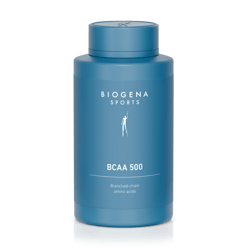
BCAA 500
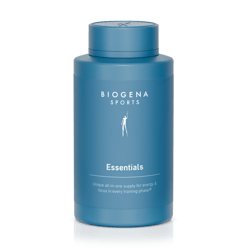
Essentials
Magnesium B6 Sport
05
Nutrition and nutritional requirements in strength training vs. endurance sports
Whether you prefer lifting weights or racking up the miles, your body has different needs:
Strength training: More protein and amino acids for muscle building and moderate carbohydrates for energy. Taking zinc can also be beneficial for supporting cell division and promoting normal testosterone levels in the blood.
Endurance sports: A higher carbohydrate intake for long-lasting energy and protein for regeneration are essential. In addition, B vitamins, iron, iodine and magnesium contribute to normal energy metabolism.
Adapt your diet to your training goals to get the best out of yourself!
06
Exercise and nutrition for weight loss: the perfect combination
Training alone is not enough – the right diet makes all the difference! To burn fat effectively, you should:
Maintain a slight calorie deficit (consume fewer calories than you burn)
Eat a protein-rich diet to prevent muscle loss
Combine strength and endurance training to maximise fat burning
Focus on a balanced diet instead of strict diets
The result: you lose fat, retain muscle and feel fitter than ever!
07
Conclusion: The benefits of healthy sports nutrition for athletes
The right diet makes all the difference – it boosts your performance, supports recovery and keeps you healthy in the long term. With a balanced combination of carbohydrates, proteins, fats, vitamins and sufficient fluids, you can take your training to the next level. Depending on your nutritional requirements and the type of sport you do, supplements may also be useful to help you get the most out of yourself.
Your takeaway: Listen to your body, focus on natural foods and support your body with high-quality nutrients. Not only will you get fitter, you'll also feel great all round!
:quality(70))
:quality(70))
:quality(70))
:quality(70))
:quality(70))
:quality(70))
:quality(70))
:quality(70))
:quality(70))