

:quality(70))
01
Why is regeneration important in sport?
During intensive sports, whether it is a long endurance unit, high-intensity interval training or strength training, the body burns more energy than in everyday mode. The glycogen stores in the liver and muscles are emptied. If these energy stores are empty, endurance and strength are over. These storage tanks are only refilled during regeneration.
In addition, muscle tissue takes a certain amount of time to repair the fine muscle tears that are common after intensive exertion. More is not always more, and frequent and hard exercise in particular is not necessarily the key to more fitness, more strength or greater endurance.
02
Duration of regeneration
How much regeneration does the body need?
This, in turn, cannot be answered in broad terms, but depends on the athlete and also the sport and intensity. After a marathon, the body needs one to two weeks of rest, while after a moderate run after work it recovers more quickly. However, you should have at least one training-free day per week. By the way: You don’t have to do without exercise during this time. Walks, relaxed cycling or yoga exercises can be a good thing and are even beneficial for good regeneration.
How much regeneration do muscles need?
There are rules of thumb for strength training: After mild to moderate exertion, you should pause for about 24 hours, after intensive training, which extends to muscle fatigue, two to three days are sensible. In the recovery between units, muscle tissue is not only repaired, but above all also improved. This is because the intense stimulus gives the muscle the signal that it has to do more next time. If it does not have time for repair and recovery, the adjustment will not take place. This can be frustrating for the athlete – despite many strenuous training sessions, there is no success.
Moreover: The regeneration phase is also prolonged with increasing age. The muscles then need more protein to build than they did in younger years.
03
How does good and fast regeneration after exercise succeed?
In any case, not by itself. Regeneration does not mean an excuse for lounging about – even though sufficient good sleep makes a significant contribution.
In any case, not by itself. Regeneration does not mean an excuse for lounging about – even though sufficient good sleep makes a significant contribution.
There are some things to consider to make your recovery meaningful and effective. On the one hand, that’s naturally diet. The carbohydrate stores are empty and must be filled again. Adequate protein intake also plays a major role in strength training. In addition to a protein-rich diet, nutritional supplements can also be used to support this.
In particular, the micronutrients magnesium, vitamin D and the B vitamins are particularly important for the metabolism of the muscles and are therefore extremely useful in regeneration.
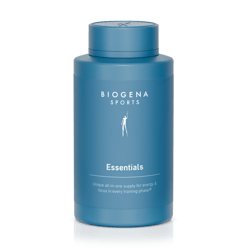
Essentials
The branch chain amino acids, known as BCAA amongst athletes, also support muscle growth because they are metabolised directly in the muscles.
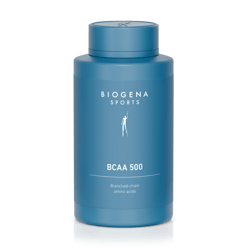
BCAA 500
L-Glutamine also makes an important contribution to recovery by shortening the regeneration phases. With good supply, there is less strength loss after intense physical activity. Additionally, muscle soreness may be perceived as less intense.
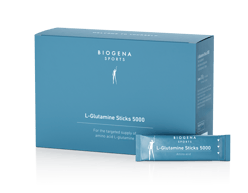
L-Glutamine Sticks 5000
Coenzyme Q10 not only supports performance during training and competition but also improves recovery and reduces muscle damage. Since exercise exposes the body to increased stress from free radicals, coenzyme Q10 supports reduce the resulting muscle damage through its antioxidant effects.
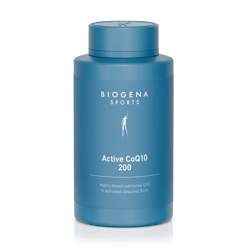
Active CoQ10 200
Melatonin can be used to provide the body with the best possible support for regeneration at night. The natural sleep hormone is essential for deep, restful sleep, which in turn contributes to increased physical and mental performance and improves reaction time, speed, strength and physical and mental well-being. Melatonin also protects against muscle damage by reducing pro-inflammatory messenger substances and preventing oxidative stress.
A true recovery classic is a visit to the sauna, as the warmth contributes to loosening tense and cramped muscles. The same applies with a massage. If you don’t want to or can’t go for a massage after every hard session, you can also use a massage gun to get relief and aid your recovery even on the sofa. Compression stockings are also a good way to improve the blood flow in the calves and thus promote recovery.
04
The consequences of poor regeneration
Not listening to your body and denying it adequate breaks will have consequences. In the short term, this manifests itself in a lack of training success, fatigue and increased susceptibility to infection. The consequences can also be sleep problems, lack of concentration and weight gain due to cravings.
Those who do not have sufficient recovery periods over a longer period of time can expect even greater reductions in their well-being and health. This can range from fatigue syndrome to depression and heart disease. So by now it should be clear how important the interaction between stress and relief is.
:quality(70))
:quality(70))
:quality(70))
:quality(70))
:quality(70))
:quality(70))
:quality(70))
:quality(70))
:quality(70))