

Vitamin B supplements
B vitamins? The total dream team. When combined in high-quality capsules, all eight B-vitamins work hand in hand—supporting your nervous system, energy metabolism, and overall well-being. A powerful boost for body and mind, right when you need it.
Filters & Sorting

Biogena Exceptionals
Neurosagena® Vitamin B complex active GoldHigh-strength vitamin B complex - vitamins for nerves & mental health
€1,278.13 / kg€40.90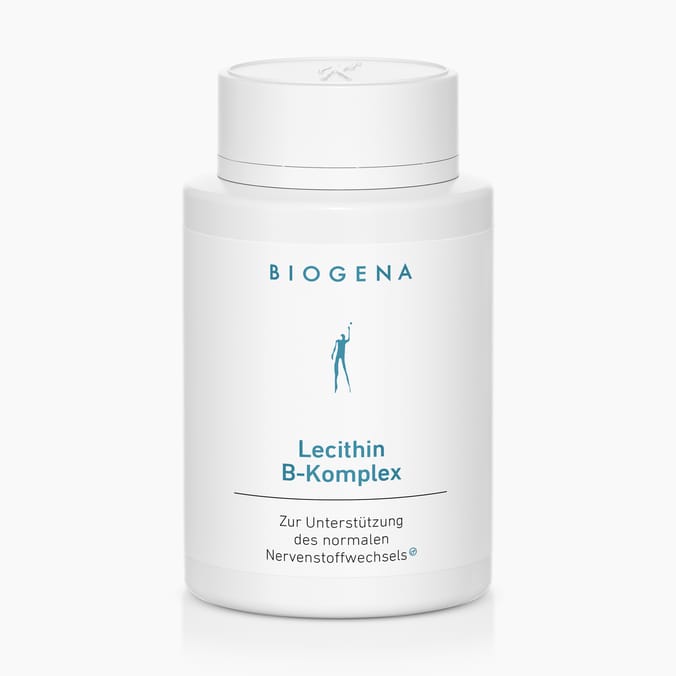
Biogena Essentials
Lecithin B-complexCombination supplement with all B-complex vitamins and sunflower lecithin
€474.60 / kg€29.90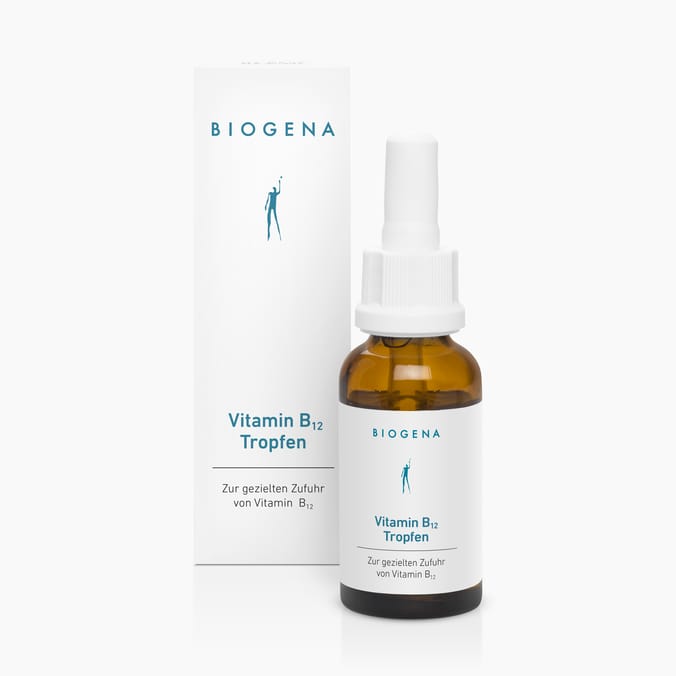
Biogena Essentials
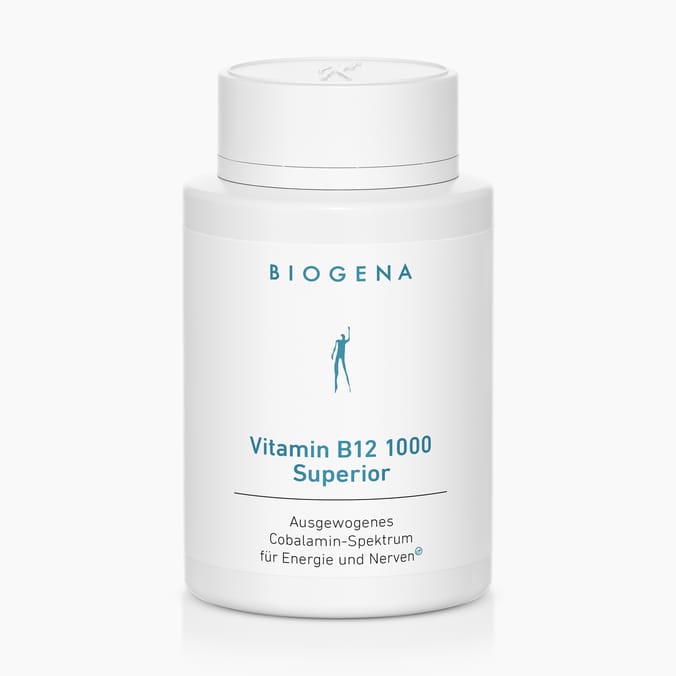
Vitamin B12 1000 SuperiorVitamin B12 from 3 active forms – high-dose in a complex
€1,573.68 / kg€29.90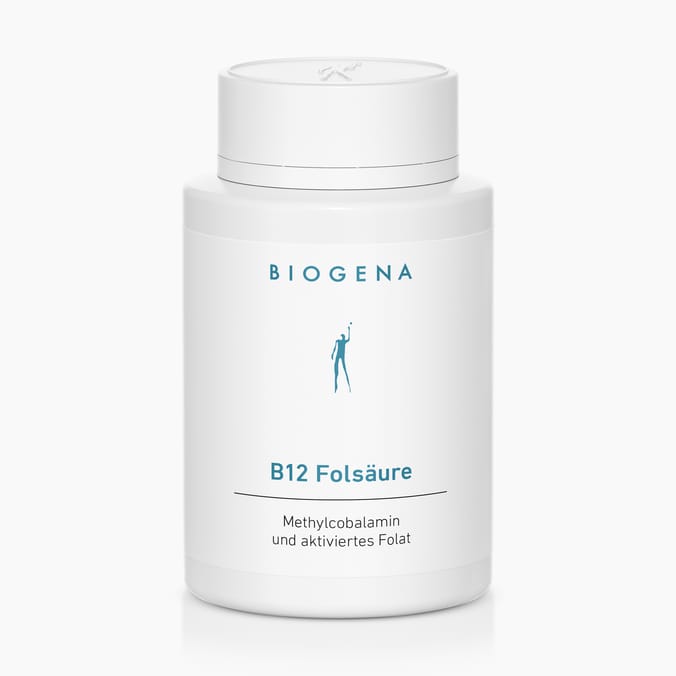
Biogena Essentials
B12 Folic AcidHighly dosed vitamin B12 and activated folic acid
€1,359.09 / kg€29.90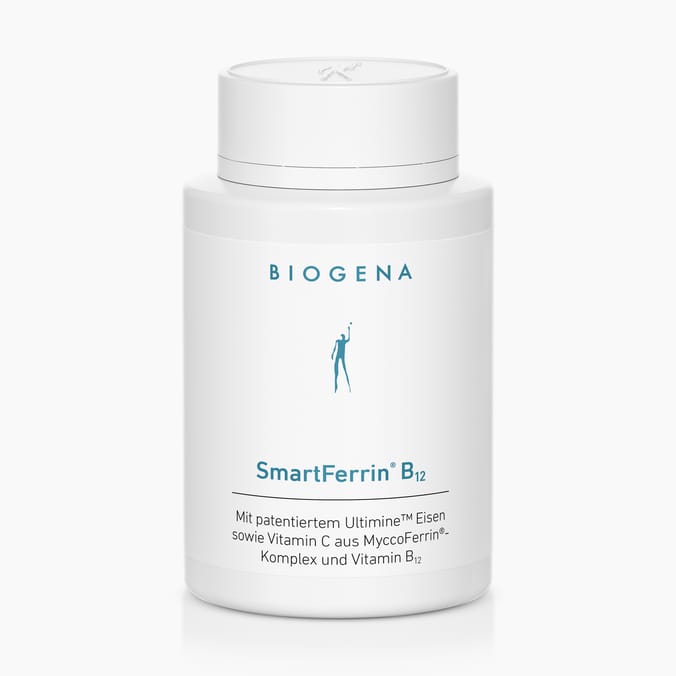
Biogena Essentials
SmartFerrin® B12Plant-Based Iron + Vitamin B12 + Copper + Vitamin C
€1,144.12 / kg€38.90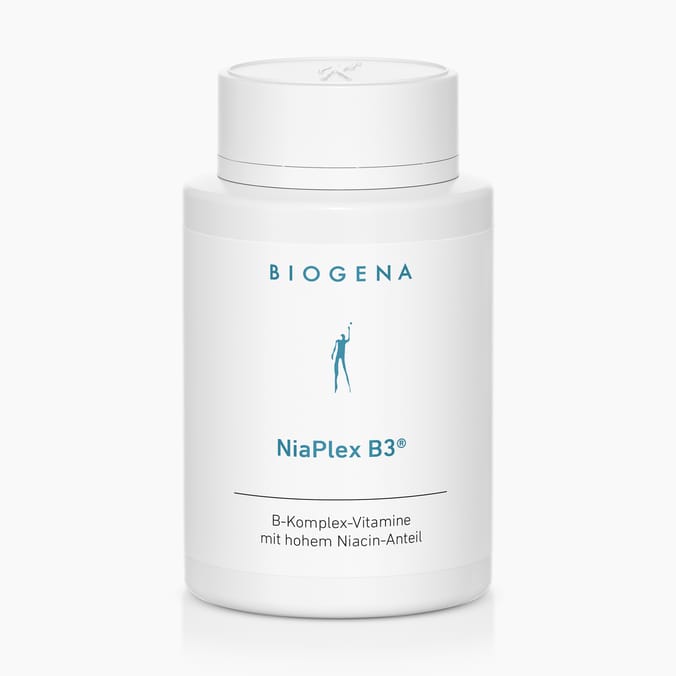
Biogena Essentials
NiaPlex B3®Combination preparation with niacin, B-complex + choline
€770.45 / kg€33.90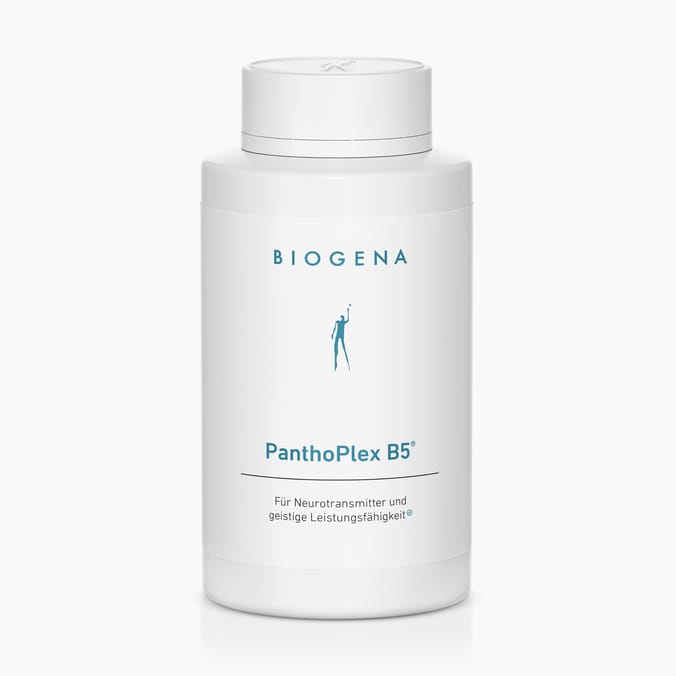
Biogena Essentials
PanthoPlex B5®With selected B vitamins to support mental performance
€521.59 / kg€45.90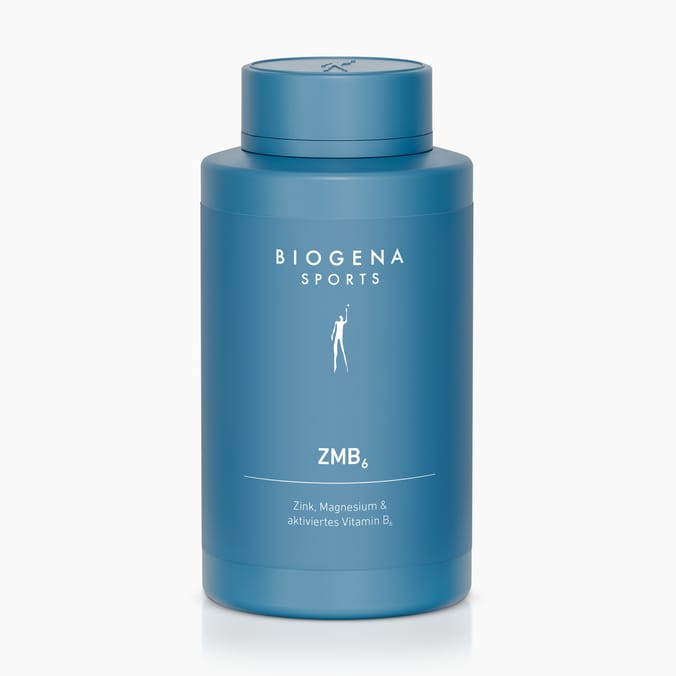
Biogena SPORTS
BIOGENA SPORTS - ZMB6ZMB6 – the smart ZMA® supplement for energy metabolism, muscle function, and testosterone levels*
€360.24 / kg€29.90- Stress

- New

Biogena Exceptionals
HämoPrime® Diosmin-Hesperidin ComplexThe targeted micronutrient and plant-based complex for haemorrhoids
€926.19 / kg€38.90 
Biogena Essentials
Thyrocare® Calm Thyroid ComplexYour support with B vitamins for psychological balance* & selenium for normal thyroid function*
€665.15 / kg€43.90
Biogena Essentials
Vitamin B6 activated P5PVitamin B6 as active P5P – optimally available for metabolism
€1,177.27 / kg€25.90
Biogena Exceptionals
fit@work® Premium GoldPremium preparation for increased strain in everyday working life
€1,015.25 / kg€59.90
B Vitamins: Your daily power crew for nerves, energy & metabolism
B vitamins aren’t designed to work alone—they’re a tight-knit group of essential, water-soluble nutrients. Because your body can only store them in limited amounts, getting a steady supply—either through your diet or smart supplementation—is key.
What’s inside a B-complex supplement?
Each B vitamin plays a distinct, vital role in your body. Here’s a quick breakdown:
Vitamin B1 (Thiamine): Supports your nerves and energy metabolism
Vitamin B2 (Riboflavin): Contributes to energy production
Vitamin B3 (Niacin): Important for your skin and DNA repair
Vitamin B5 (Pantothenic acid): Essential for fat and energy metabolism
Vitamin B6 (Pyridoxine): Plays a role in protein metabolism and neurotransmitter synthesis
Vitamin B7 (Biotin): Known for its role in maintaining healthy skin, hair, and nails
Vitamin B9 (Folic acid): Crucial for cell division and DNA synthesis—especially during pregnancy
Vitamin B12 (Cobalamin): Essential for blood formation and nervous system function
And because many B vitamins need to be converted into their active forms before your body can use them, supplements with pre-activated B vitamins can be especially effective.
Why are B vitamins so important?
When your body doesn’t get enough B vitamins, it can show up in ways like tiredness, poor concentration, or increased irritability. With sufficient supply, though, your body benefits from:
More energy & less fatigue
A well-functioning nervous system and sharper focus
Healthier skin, strong hair & resilient nails
During times of high stress, athletic activity, or pregnancy, your demand for B vitamins can rise—making targeted vitamin B supplementation a smart move.
Vitamin B capsules, powders or drops: Which form fits you best?
Vitamin B capsules & tablets: Easy to dose, neutral in taste
Vitamin B powder: Great for flexible, individualized dosing
Vitamin B liquid drops: A convenient option for those who prefer it fluid
Capsules are especially popular—like ours at BIOGENA—because they’re often free from unnecessary additives (unlike many conventional tablets).
Buying smart: What to look for in a quality B-complex?
Activated forms and optimal bioavailability make all the difference. That’s why BIOGENA's Neurosagena® B-Complex active Gold brings you all eight B vitamins in precisely calibrated amounts—including the activated forms of B2, B6, B9 & B12 for particularly efficient absorption.
Free from unnecessary additives
Premium quality, science-backed
Ideal for elevated B-vitamin needs
Order Vitamin B now & get the best possible supply
Whether you want to buy vitamin B capsules or drops, we offer tested premium products to ensure you get the best possible supply.
Whether you have an increased need for B vitamins or simply want to ensure you get a good daily supply, we offer pure, scientifically tested premium products for your well-being.
 |  | |
| Price | ||
| €40.90 | €29.90 | |
| Info | ||
High-dose premium vitamin B complex consisting of all eight B vitamins – three of which are in their active form | Combination preparation with all vitamins of the B complex and sunflower lecithin | |
| Contents | ||
|
| |
FAQs
Got questions about vitamin B supplements? Let’s clear them up.
Sign up for our newsletter and get a €10 voucher
Sign up for our newsletter, receive your personal €10 voucher and look forward to exciting insights into the latest product innovations, giveaways and health tips – so you'll be well accompanied on your journey to well-being.