

Amino acid food supplements
Stress, high-intensity workouts, or demanding life phases can increase your body’s need for amino acids. If your diet or your body’s own production can’t keep up, targeted supplementation might be the support you need.
Filters & Sorting
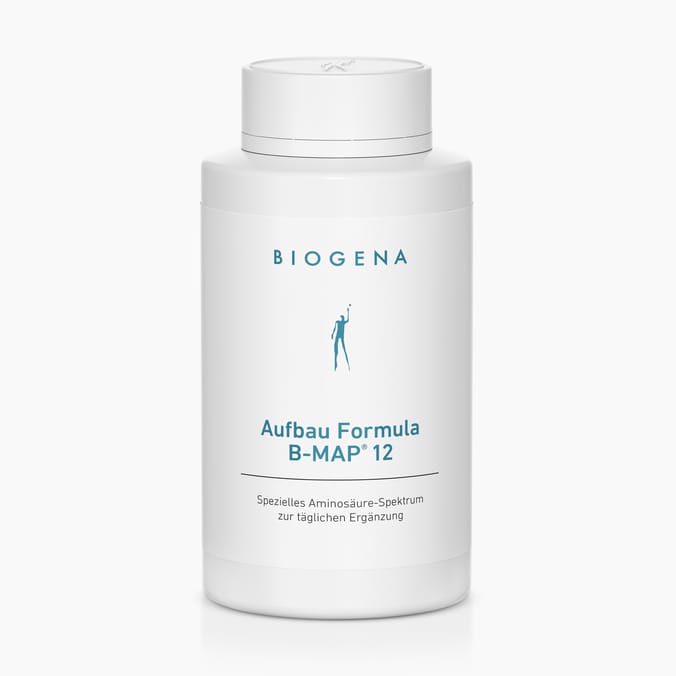
Biogena Essentials
Amino Acid Complex Formula B-Map® 12One capsule, 12 amino acids
€703.41 / kg€61.90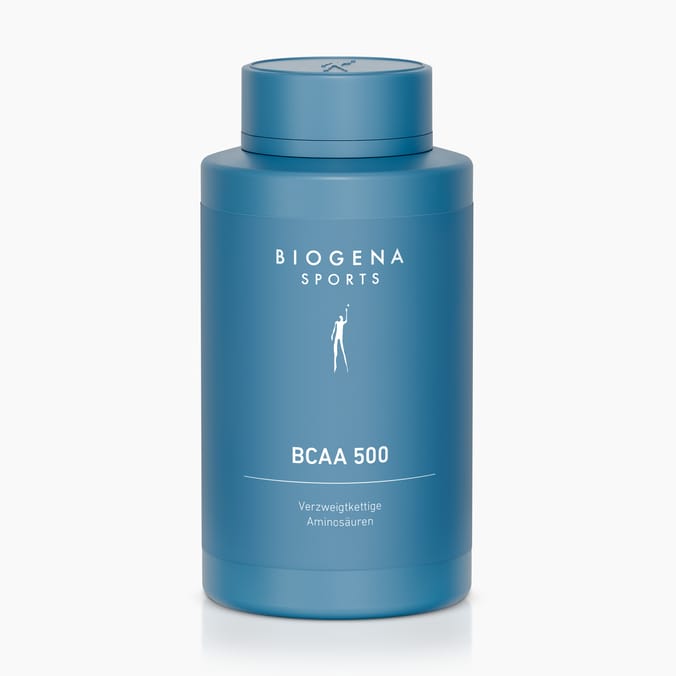
Biogena SPORTS
BCAA 500Your training buddy: BCAAs L-leucine, L-isoleucine & L-valine in the perfect mix
€583.12 / kg€44.90- Sleep
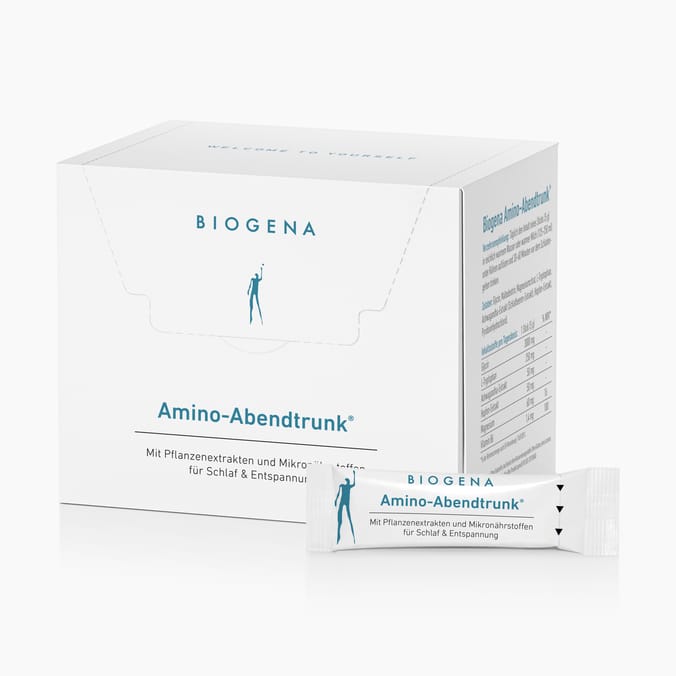
Biogena Essentials
Amino Sleep TrunkWith amino acids, plant extracts and micronutrients – for sleep & relaxation
€246.00 / kg€36.90 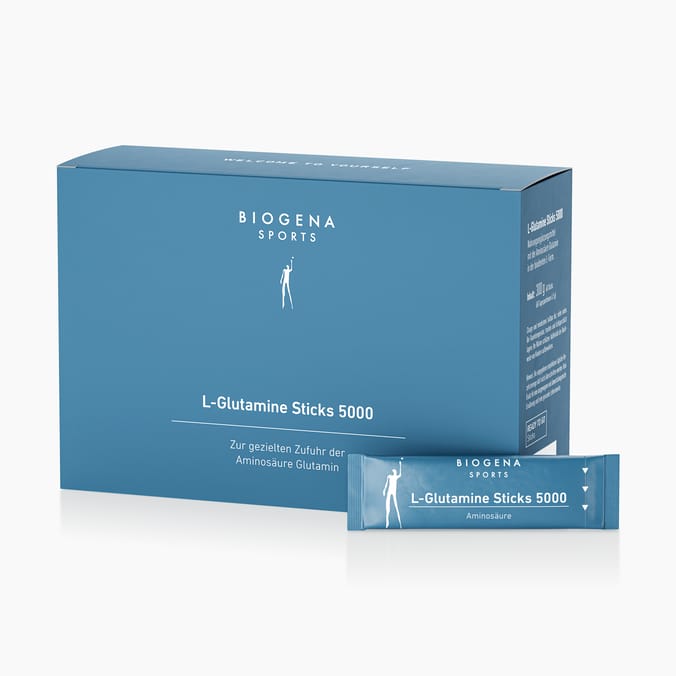
Biogena SPORTS
L-Glutamine Sticks 5000L-Glutamine Powder – for targeted supply of the proteinogenic amino acid glutamine
€203.00 / kg€60.90
Biogena Essentials
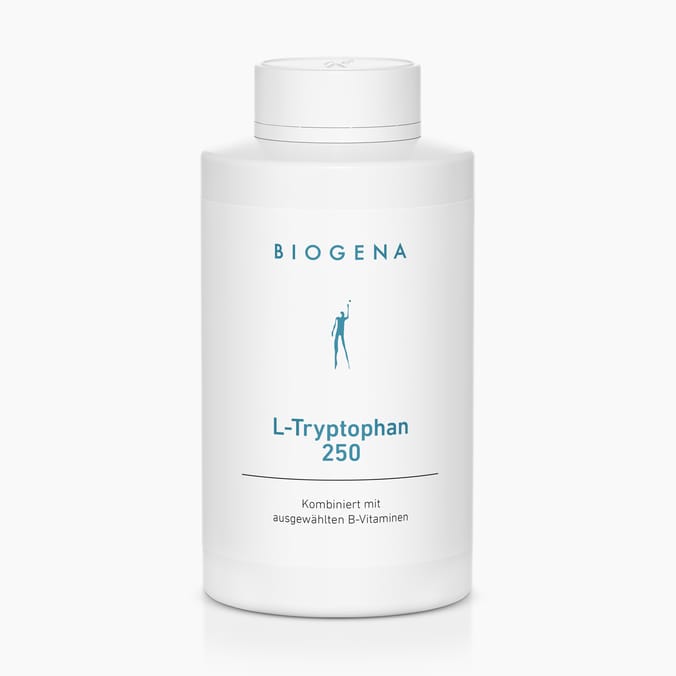
L-Tryptophan 250Combination product with L-tryptophan, magnesium, and B vitamins
€908.93 / kg€50.90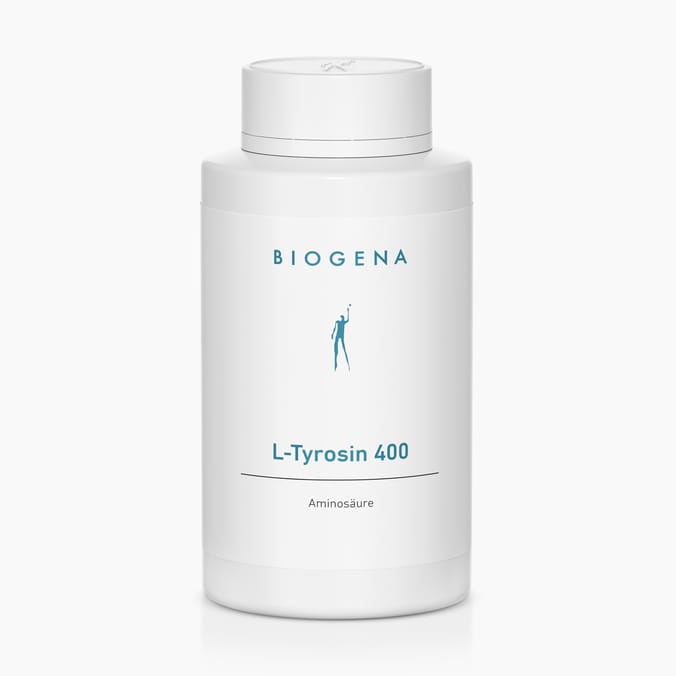
Biogena Essentials
L-Tyrosine 400 mgMicronutrient supplement from the non-essential amino acid L-tyrosine
€665.22 / kg€45.90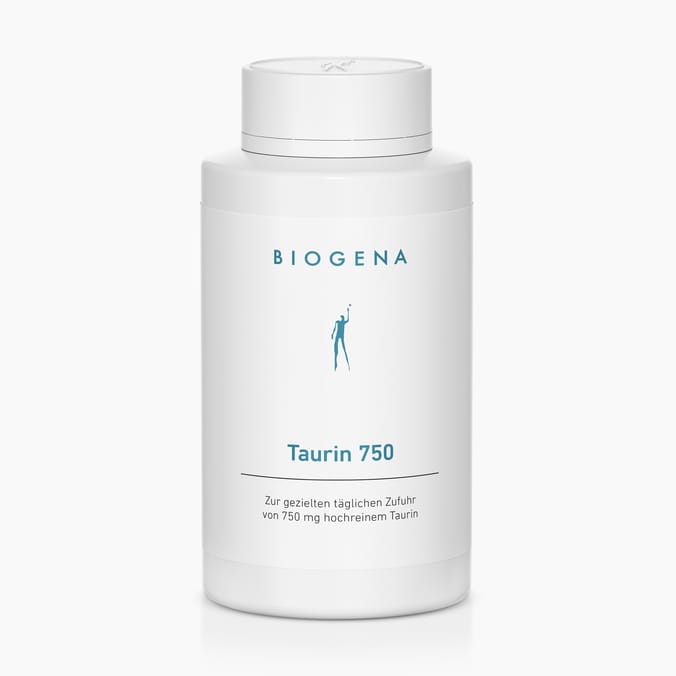
Biogena SPORTS
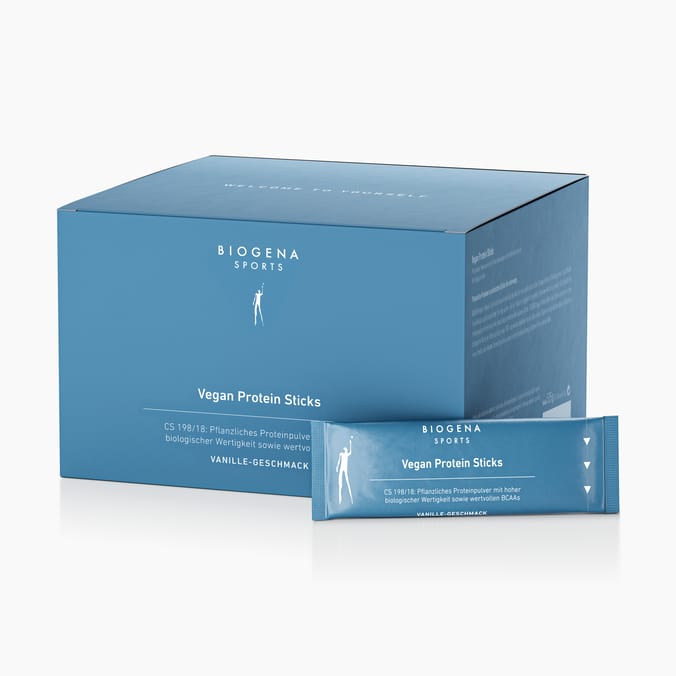
Vegan Protein SticksVegan vanilla protein powder for athletes with 20 g of protein per stick
€83.62 / kg€43.90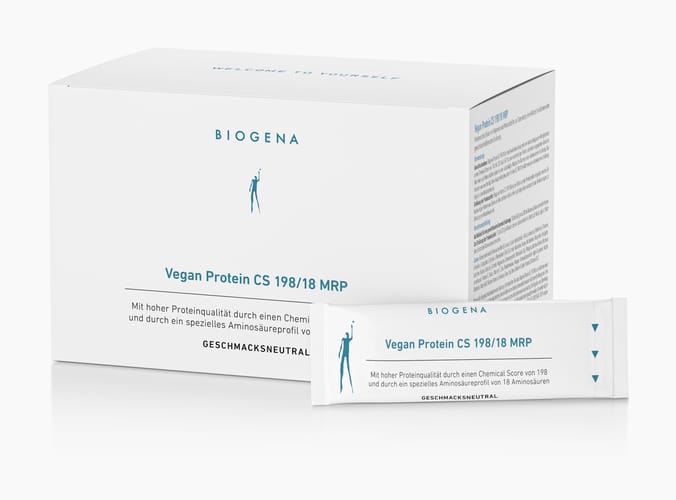
Biogena Essentials
Vegan Protein CS 198/18 MRPProtein shake sticks with a full spectrum of vitamins and minerals
€81.50 / kg€48.90- New
Biogena SPORTS
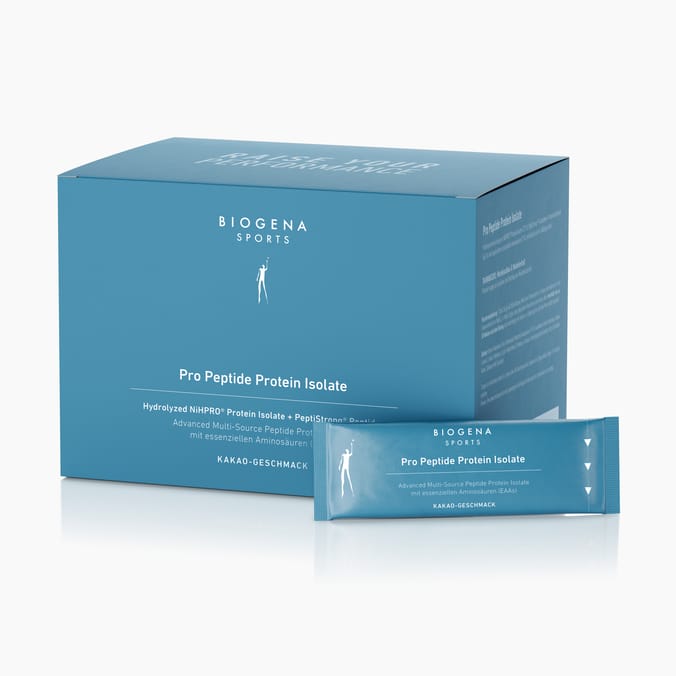
Pro Peptide Protein IsolateNiHPRO® Protein Isolate & PeptiStrong® Peptides combined
€86.85 / kg€46.90 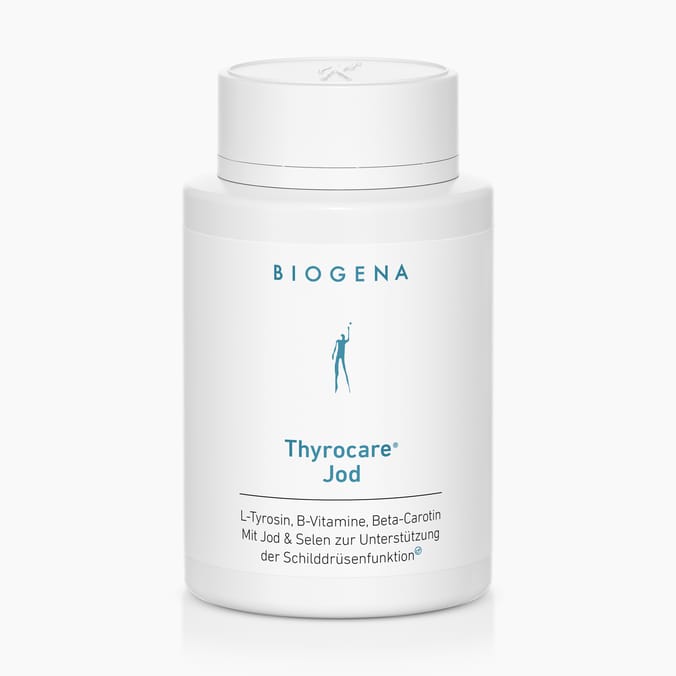
Biogena Essentials
Thyrocare® Iodine ComplexWith iodine to support hormone production in the thyroid
€906.06 / kg€29.90- -20 % in bundle
Biogena SPORTS
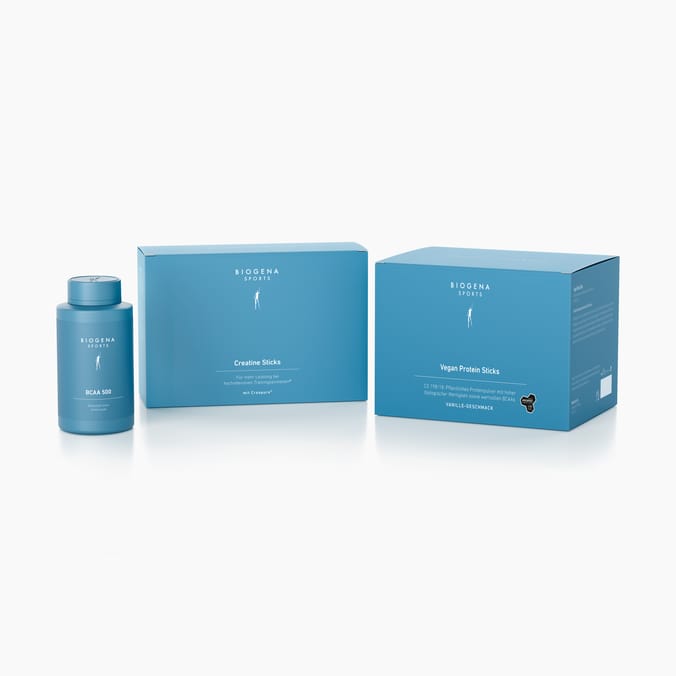
Muscle bundle - BCAA, creatine and proteinSupport performance and muscle building with the sporty trio
€89.90 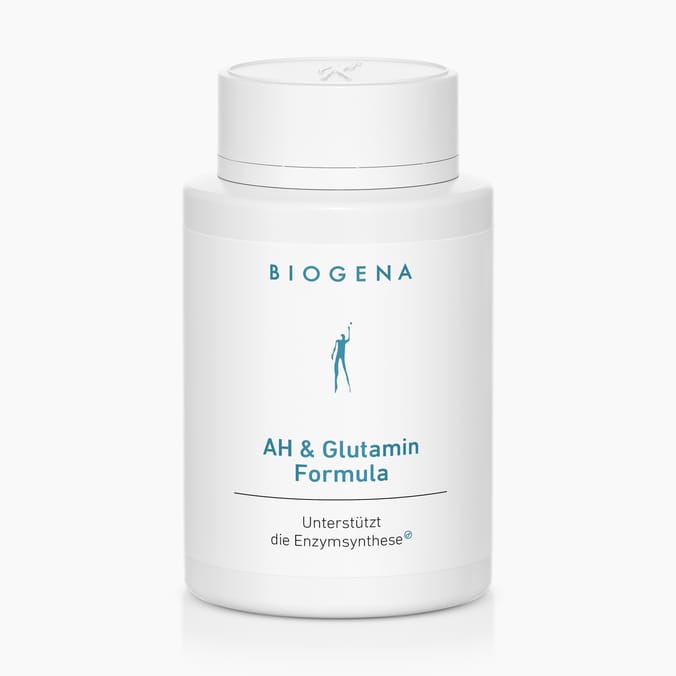
Biogena Essentials
AH & Glutamine FormulaWith vitamin C, L-glutamine, and trace elements to support enzyme synthesis
€1,342.31 / kg€34.90
The essentials: what are amino acids?
Water and protein are the building blocks of life—and amino acids are the smallest components that make up proteins. Just 20 amino acids are enough for your body to create all the protein structures it needs to function, thrive, and repair.
But not all amino acids are created equal. They fall into different categories, each playing a unique role in keeping your body running smoothly.
Essential amino acids – the must-haves
These nine amino acids cannot be made by your body—you need to get them from food or supplements:
Histidine, Isoleucine, Leucine, Lysine, Methionine, Phenylalanine, Threonine, Tryptophan, Valine.
Non-essential amino acids: self-made, still essential
These amino acids are produced by your body—but that doesn’t mean they’re less important. Examples include: Alanine, Asparagine, Glutamic acid, Serine
They’re crucial for your metabolism and overall biochemical balance.
Semi-essential amino acids: everyday heroes
They may sound “optional,” but under stress, physical strain, illness, or during growth phases, they become absolutely vital—especially for infants, adolescents, and those with metabolic conditions. Key players include: Arginine, Cysteine, Glutamine, Tyrosine.
They help maintain amino acid balance and ensure optimal use of all protein building blocks.
Non-proteinogenic amino acids: the specialists
There are over 400 known amino acids that don’t go into protein building, but still have major roles in your body. These include:
Homocysteine – involved in metabolism
GABA – a key neurotransmitter
L-Thyroxine – a hormone precursor
Amino acid food sources
You meet your protein and amino acid needs through both plant-based and animal-based foods. Animal proteins are more similar to your body’s own and are typically better absorbed. Plant-based sources are incredibly valuable too—just often need higher intake or smart combinations.
Plant-based protein sources
Generally lower in fat and rich in health-boosting plant compounds, these sources include:
Legumes: chickpeas, soy, lentils
Nuts and seeds
(Whole) grains
Exception: higher-fat options like pumpkin seeds, hemp, and sesame are still nutrient powerhouses.
Animal-based protein sources
Though eggs are often used as a reference for protein quality, other foods offer even more usable protein:
Aged cheeses like Emmental and Parmesan
Red meat (beef, game)
Fish and seafood
Poultry
Organ meats
Quark (curd cheese)
Cottage cheese
How proteins are built
Proteins are made of anywhere from 100 to 22,000 amino acids, linked in a unique sequence (called the primary structure). This order determines what each protein does in your body.
Smaller chains have names too:
Dipeptides (2 amino acids)
Tripeptides (3)
Oligopeptides (up to 10)
Polypeptides (more than 10)
How amino acids work together
Amino acids don’t just link up—they can also be converted into each other. For example, cysteine is made from methionine. In conditions like phenylketonuria, the body can’t convert phenylalanine into tyrosine—meaning phenylalanine must be limited and tyrosine supplemented.
Important to know: The amino acid you get the least of through food limits how much protein your body can build. This is called the limiting amino acid. If it’s missing, protein synthesis grinds to a halt.
This explains why stress, illness, poor diet, or extreme exertion can throw off your amino acid balance.
What happens to amino acids in the body?
Proteins are broken down in the small intestine into amino acids—the end result of digestion. These are absorbed into the bloodstream via the intestinal villi and pass through the liver, where they’re used to build blood proteins and support every cell in your body.
If your liver is strained—due to poor diet, illness, or alcohol—this conversion can be disrupted.
Amino acids in action: what they do
Build the body’s own proteins
Create enzymes, hormones, and antibodies
Renew cells
Form cartilage, connective tissue, and skin
Provide structural and protective functions
Bind water and assist in transport
Deliver nutrients, oxygen, and hemoglobin
What if you’re low on protein or carbs?
If you consume excess protein, your body uses it for energy. But if protein is lacking, you risk energy depletion.
A shortage of carbohydrates can also disrupt amino acid metabolism. In such cases, the body breaks down its own protein to produce glucose. With sufficient carbs, the body can manufacture non-essential amino acids from carbs and fats instead.
When are amino acid supplements a good idea?
You might benefit from supplementation if you’re experiencing:
Monotonous or low-protein diets
Low-carb phases
Food intolerances
High athletic performance
Stress, illness, or recovery periods
In these situations, balanced amino acid supplements—or individual amino acids—can help support your body’s needs and boost your well-being.

Amino Sleep Trunk
BIOGENA amino acids: smart supports
We offer a wide range of premium amino acid supplements—in convenient capsules or ready-to-mix powder sticks.These carefully formulated dietary supplements help you meet your needs for essential and semi-essential amino acids, which often cannot be sufficiently obtained through diet alone.
From muscle building and recovery to everyday wellness, we’ve got you covered. Try:
Aufbau Formula B-Map® with 12 amino acids in one capsule complex
BIOGENA Sports Potassium Magnesium Powder with L-glutamine—ideal for athletes

Amino Acid Complex Formula B-Map® 12
Which format fits you best? Let’s break it down
1. Amino acid powders - for the customizers
Great for those who love control and flexibility—add them to shakes, smoothies, or just water.
Why you’ll love it:
Total freedom in dosing and mixing
Fast absorption (no capsule to break down)
Ideal for higher intake during training or recovery
Pro tip: some powders taste a bit earthy—but that’s nothing a splash of juice can’t fix
2. Amino acid capsules - everyday heroes
Perfect if you like it simple: twist open, take with water, done.
Why they work:
Precise, measured doses
Neutral taste—no bitterness
Portable and practical for work, travel, and on-the-go
Good to know: Release takes a little longer because the capsule shell dissolves in the stomach.
3. Sticks – modern & ready to go
Amino acids in stick format—just pour into water and enjoy. Ideal for travel, workouts, or everyday use.
What makes them great:
Super easy: no measuring, no mess
Often naturally flavored—tastes good, feels good
Perfect gym or travel companion
Quality counts: what makes a good amino acid supplement?
Biological value measures how well a protein provides essential amino acids. Animal proteins usually rank higher because they contain all essential amino acids in ideal ratios. But plant proteins can be just as powerful when smartly combined—or paired with supplements to fill the gaps.
FAQs
Got questions about amino acids? We’re here to help.
Sign up for our newsletter and get a €10 voucher
Sign up for our newsletter, receive your personal €10 voucher and look forward to exciting insights into the latest product innovations, giveaways and health tips – so you'll be well accompanied on your journey to well-being.