

Supplements and vitamins to lower cholesterol
Cholesterol isn’t the enemy—in fact, it’s essential for life. It only becomes a concern when levels get too high. The good news? You can actively influence your cholesterol levels. Let us show you how.
Filters & Sorting
- Bestseller
Biogena Exceptionals
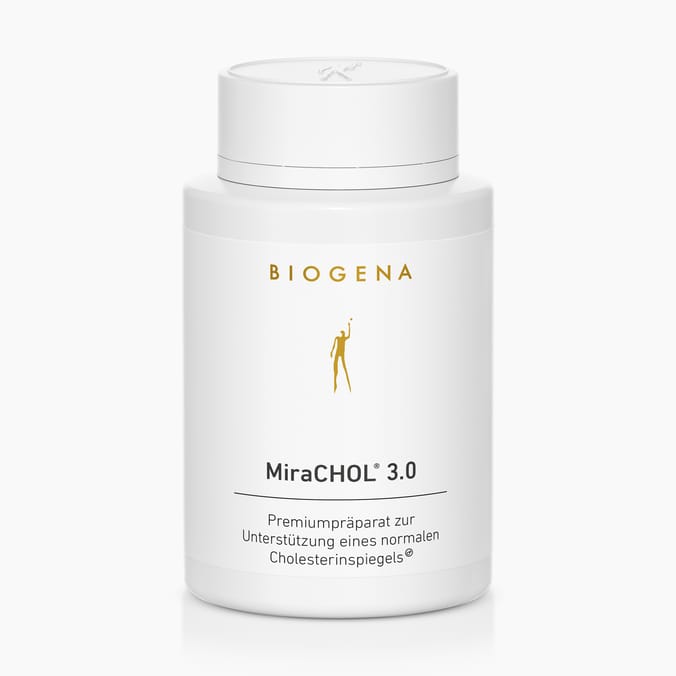
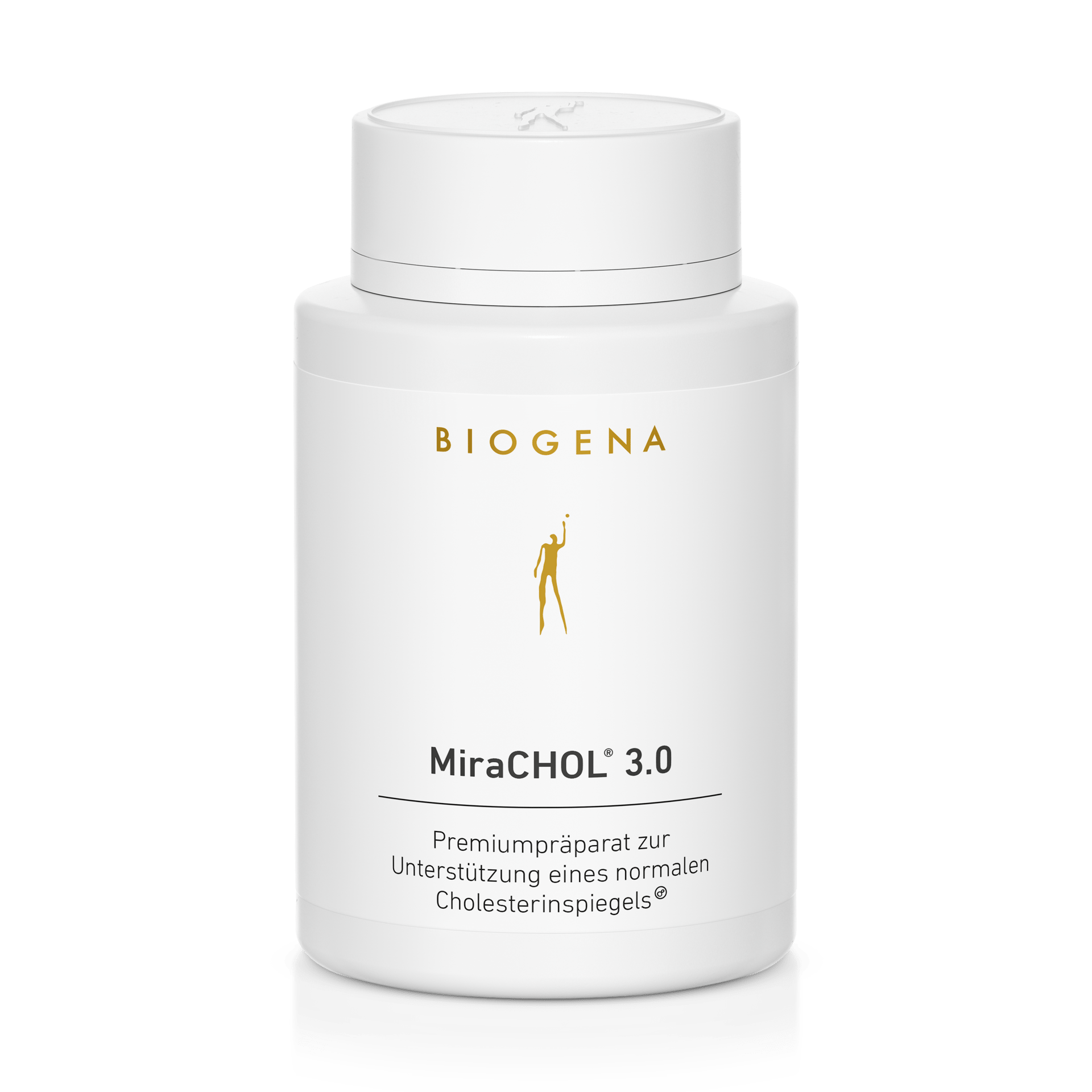
MiraChol® 3.0 GoldPlant-based premium supplement with Monacolin K – combined with Coenzyme Q10 and Frankincense (Boswellia serrata)
€1,859.09 / kg€40.90 
Biogena Essentials
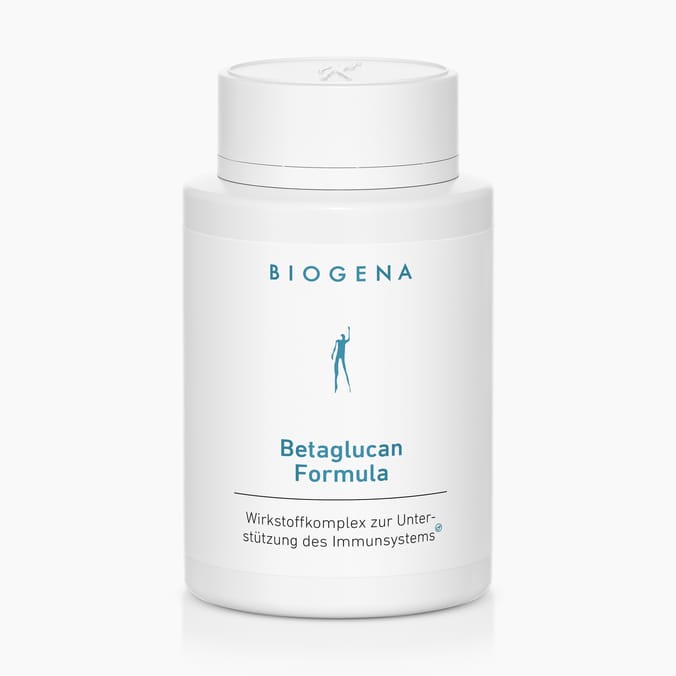
Beta Glucan FormulaVital nutrient complex with beta-glucans from yeast cell walls
€914.58 / kg€43.90- Vegan
Biogena Exceptionals
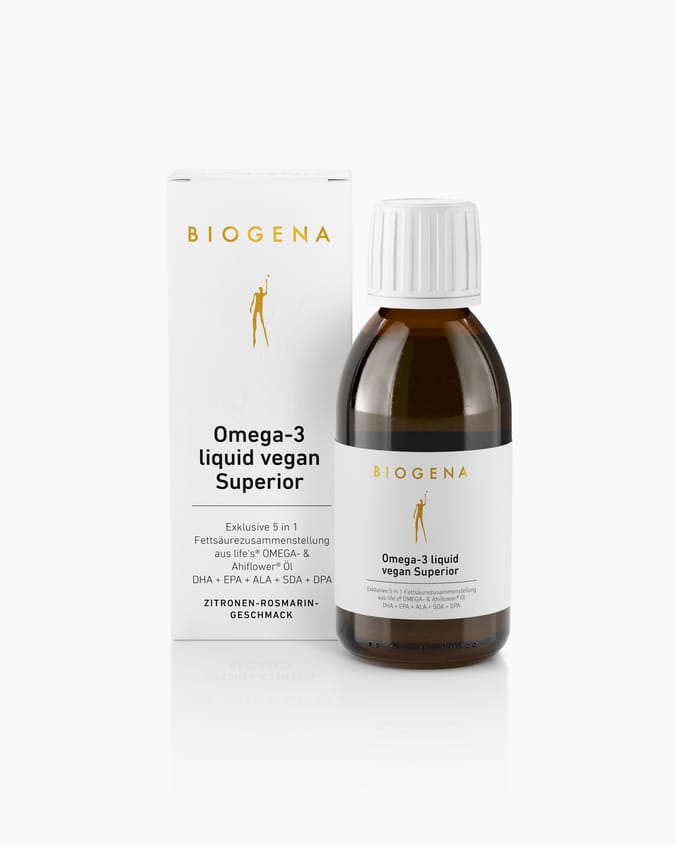
Omega-3 liquid vegan SuperiorExclusive 5 in 1 fatty acid composition
€372.67 / l€55.90 - Vegan
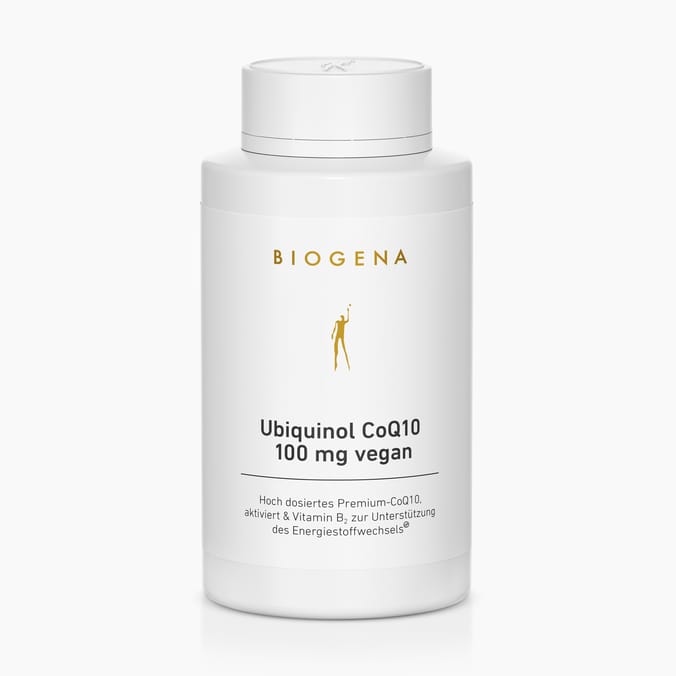
Biogena Exceptionals
Ubiquinol CoQ10 100 mg vegan GoldCoenzyme Q10 in its active form ubiquinol – 100 mg
€2,313.16 / kg€87.90 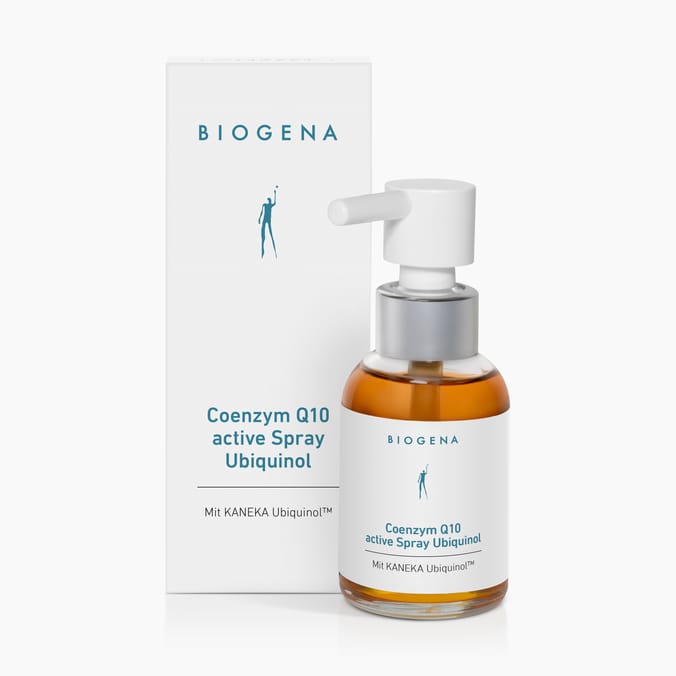
Biogena Essentials
Coenzyme Q10 active Spray UbiquinolAlcohol-free spray with the active coenzyme Q10 form ubiquinol
€1,996.67 / l€59.90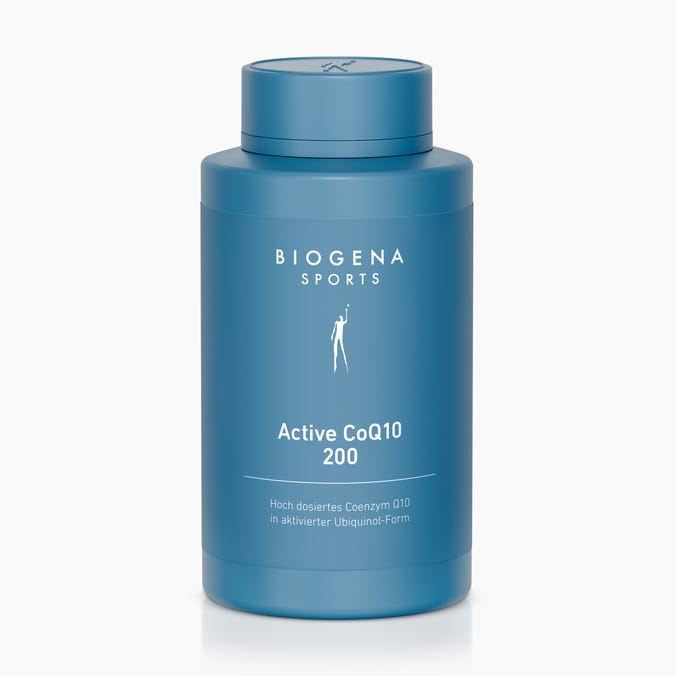
Biogena SPORTS
Active CoQ10 200High-dose coenzyme Q10 in the activated ubiquinol form
€1,362.50 / kg€119.90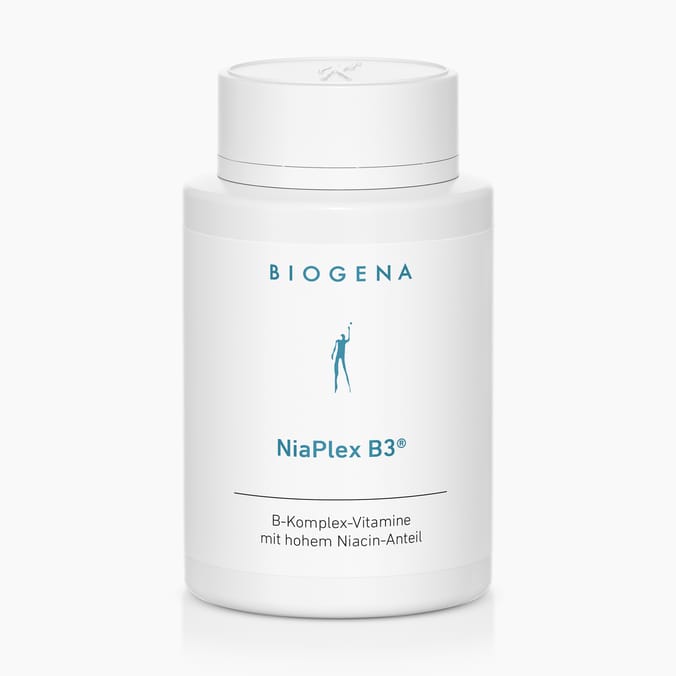
Biogena Essentials
NiaPlex B3®Combination preparation with niacin, B-complex + choline
€770.45 / kg€33.90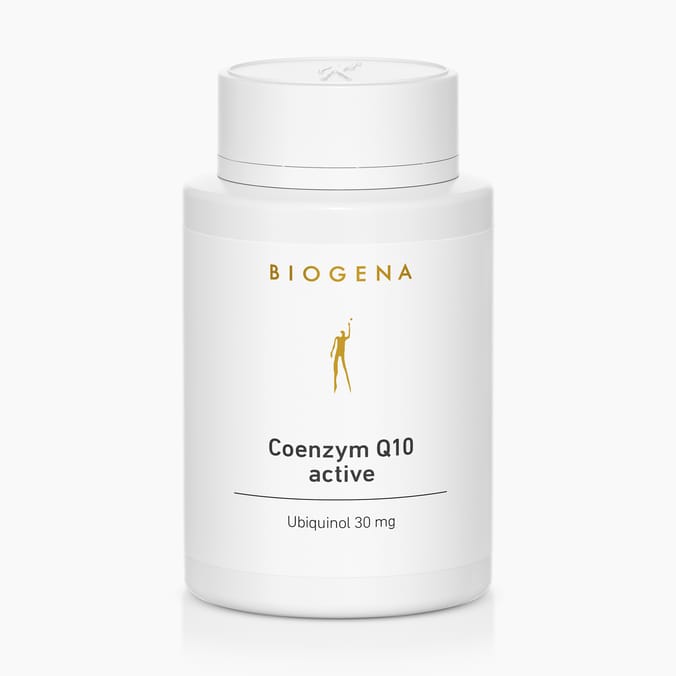
Biogena Exceptionals
Coenzyme Q10 active Gold 30 mgWith the most efficient Q10 form
€2,850.00 / kg€39.90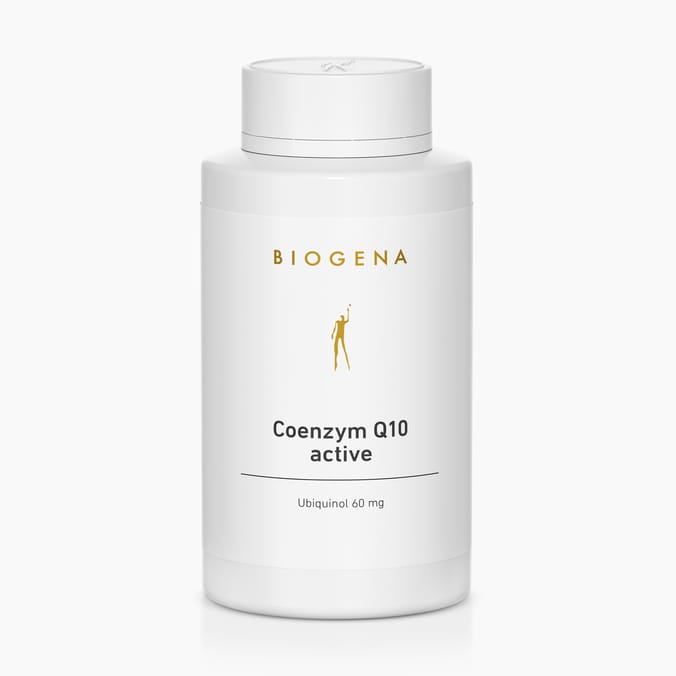
Biogena Exceptionals
Coenzym Q10 active Gold 60 mgThe Q10 active formula with 60 mg of ubiquinol from the global market leader (KANEKA Ubiquinol™)
€2,416.28 / kg€103.90
High cholesterol: many causes, many solutions
In Central Europe, around one in three people have elevated cholesterol—and the reasons are just as varied: Genetics, chronic illnesses, medications, and lifestyle choices like a poor diet or excessive alcohol intake can all play a role. And with age, the risk increases even further.
No wonder lowering cholesterol is a key topic in modern healthcare. While lifestyle changes—like healthier eating and more movement—are crucial, medications such as statins are often used as well. They work effectively, but can sometimes cause side effects like muscle pain, discomfort, or—in rare cases—raised blood sugar.
That’s why there’s growing interest in natural, complementary strategies.
Can supplements help lower cholesterol?
Certain micronutrients, plant compounds, and phytonutrients are increasingly being researched for their cholesterol-lowering potential. Studies show they can offer gentle support—especially when it comes to naturally regulating cholesterol and protecting your cardiovascular system at the same time.
Our bottom line: It doesn’t have to be either-or. Nature and science can work hand in hand—and we at BIOGENA are here to support you on your path to healthy cholesterol levels.
The role of vitamins in cholesterol ,etabolism
Did you know that certain vitamins can help support healthy cholesterol metabolism? Combined with a balanced lifestyle—nutritious food, physical activity, and targeted supplementation—they can contribute in meaningful ways. But which ones are most relevant when cholesterol is high?
Vitamin B3 (Niacin)
If you’re looking to regulate your cholesterol with vitamins, niacin is a good place to start. This water-soluble B vitamin has long been used to support high cholesterol levels. What makes it interesting? Niacin may help lower “bad” LDL cholesterol while increasing “good” HDL cholesterol—a real plus for your lipid balance.
Vitamin C
Vitamin C supports the conversion of cholesterol into bile acids and acts as a powerful antioxidant. c it may be especially helpful for people with diabetes or metabolic syndrome—helping reduce cholesterol, inflammation, and oxidative stress.
Vitamin D
Vitamin D might also play a role in regulating cholesterol, especially if you’re deficient. A meta-analysis of 25 studies found it can lower triglycerides and total cholesterol, while slightly increasing HDL cholesterol. The strongest effect? Triglyceride reduction.
Vitamin E
Data from the U.S. NHANES study shows that a higher intake of vitamin E is linked with better cholesterol profiles—another win for cardiovascular support.
B-Vitamins: B6, B12 & folic acid
While B vitamins (except niacin) don’t directly affect cholesterol, they still matter—especially for your blood vessels. Vitamins B6, B12, and folic acid help reduce homocysteine, a compound linked to higher cardiovascular risk.
Austrian study spotlight
A study from Graz found that low B-vitamin levels combined with high cholesterol is a bad combination. The result? Thickened vessel walls and increased risk of arterial narrowing. The takeaway: Solid micronutrient support is key—especially if cholesterol is on your radar.
The role of omega-3 fatty acids in cholesterol management
Algae oil – plant-based, effective & sustainable
A meta-analysis found that algae oil rich in DHA can lower triglycerides and slightly increase HDL cholesterol. It’s not only sustainable—it’s also a powerful, plant-based way to support your Omega-3 intake and gently balance your cholesterol.
Fish oil – a time-tested classic
Fish oil remains a popular go-to for Omega-3 support. EPA, one of its key fatty acids, is linked to higher HDL and lower triglycerides. While discussions continue, research increasingly points to its positive effects.
Important: Always check the quality. Premium fish oil comes from fresh sources, is gently processed, and tested for contaminants like dioxins, furans, and heavy metals. Also look for clearly labeled, standardized EPA and DHA content—so you know what your body is really getting.
Tip: The TOTOX value shows freshness and stability. Under 10 = excellent. Over 26 = critical. A good guide to product quality.
Flaxseed oil – plant-based omega-3 power
Flaxseed oil is rich in alpha-linolenic acid (ALA)—a plant-based Omega-3. Studies show that regular intake may reduce inflammatory cytokines, improve total and LDL cholesterol, and even slow plaque buildup in the arteries.
In short: Flaxseed oil is more than a healthy kitchen staple—it’s a valuable tool for heart health.
Fiber & cholesterol – a smart combination
Fiber is an everyday hero—especially when it comes to cholesterol. Its effect is simple but powerful: Fiber binds bile acids in the gut (which are made from cholesterol). When those bile acids are excreted, your body pulls cholesterol from the bloodstream to make more—thus lowering your levels.
But that’s not all. Fiber can also bind excess triglycerides and fatty acids from food—helping support a balanced lipid profile. A high-fiber diet not only supports cholesterol management, but also benefits your heart and circulation.
Psyllium husk – a fiber powerhouse
Psyllium husk is made up of about 85% soluble fiber—a powerful ally for lipid metabolism. Studies show it can bind bile acids, triglycerides, fatty acids, and cholesterol from food—helping bring your lipid levels back into balance. A natural way to reduce cardiovascular risk.
Beta-glucan – oat-based cholesterol support
Beta-glucan is a soluble fiber found in oats, barley, mushrooms, and some algae. Especially effective: beta-glucan from brewer’s yeast, such as Yestimun®. This natural compound offers two key benefits—it helps lower cholesterol and supports your immune system thanks to its immune-modulating properties.
Acacia fiber – gentle, soluble, effective
Extracted from acacia tree sap, this fiber source is known for its tolerability. It nourishes your gut microbiome and promotes a healthy digestive environment—and it does even more:
A 2015 study with 110 participants taking statins found that 30 g of acacia fiber per day over 4 weeks significantly improved blood lipid levels. Total cholesterol, LDL, and triglycerides dropped—a strong case for this natural option.
Plant compounds with promise
In addition to micronutrients, botanical compounds also play a key role in supporting healthy lipid levels—science-backed, gentle in action, and full of potential.
Phytosterols – nature’s cholesterol competitor
Phytosterols resemble cholesterol in structure, so they compete with it for absorption in the gut. That’s their advantage: With regular intake, they can block dietary cholesterol—helping support healthy levels.
Common sources include nuts, seeds, and legumes.
Red yeast rice – natural monacolin K
Red yeast rice contains monacolin K—a natural compound with effects similar to statins. It may help lower LDL cholesterol and support cardiovascular health. Just make sure to choose high-quality, properly dosed products.
Frankincense – traditional remedy with modern promise
Used for centuries, frankincense is now being studied for its modern health benefits. A 6-week trial showed that supplementing with frankincense extract significantly raised HDL while reducing total and LDL cholesterol. Research is also exploring potential blood pressure benefits.
Berberine – a metabolic multitasker
Berberine compound from traditional Chinese and Indian medicine has shown strong effects on fat metabolism. It may inhibit fat production, lower LDL and triglycerides, and help raise HDL—a powerful overall impact for your lipid profile.
Artichoke – bitters for balance
Artichoke extract may stimulate bile production, supporting cholesterol metabolism. Studies show a clear effect—particularly in reducing LDL levels.
Turmeric – golden support for your heart
Curcumin, the active compound in turmeric, has shown potential for naturally improving cholesterol. It’s anti-inflammatory and antioxidant, may lower LDL, and gently increase HDL. A plant-based multitasker.
More natural helpers
Beyond the familiar names, there are other plant-based compounds worth knowing. Here are two exciting additions to your cholesterol toolkit:
Spermidine – cell protection with potential
Spermidine is a natural compound found in foods like soybeans, wheat germ, mushrooms, and aged cheese.
Long studied for its anti-aging properties, new research shows it may also support healthy cholesterol: higher spermidine levels are linked to lower LDL and higher HDL. A promising all-rounder for metabolic balance.
Coenzyme Q10 – cellular energy & heart health
CoQ10 is an antioxidant essential for cellular energy. But it also helps regulate cholesterol and support heart health.
Especially relevant: If you take statins or Monacolin K, your CoQ10 levels can drop. In that case, Ubiquinol—the active, highly bioavailable form—is particularly recommended.
Are there cholesterol supplements or combination products?
Yes—if you're looking to support your cholesterol levels naturally, there are now high-quality supplement formulas that bring together key active ingredients. These targeted combinations can help you manage your cholesterol effectively.
BIOGENA’s cholesterol champions
 |  | |
| Price | ||
| €40.90 | €45.90 | |
| Info | ||
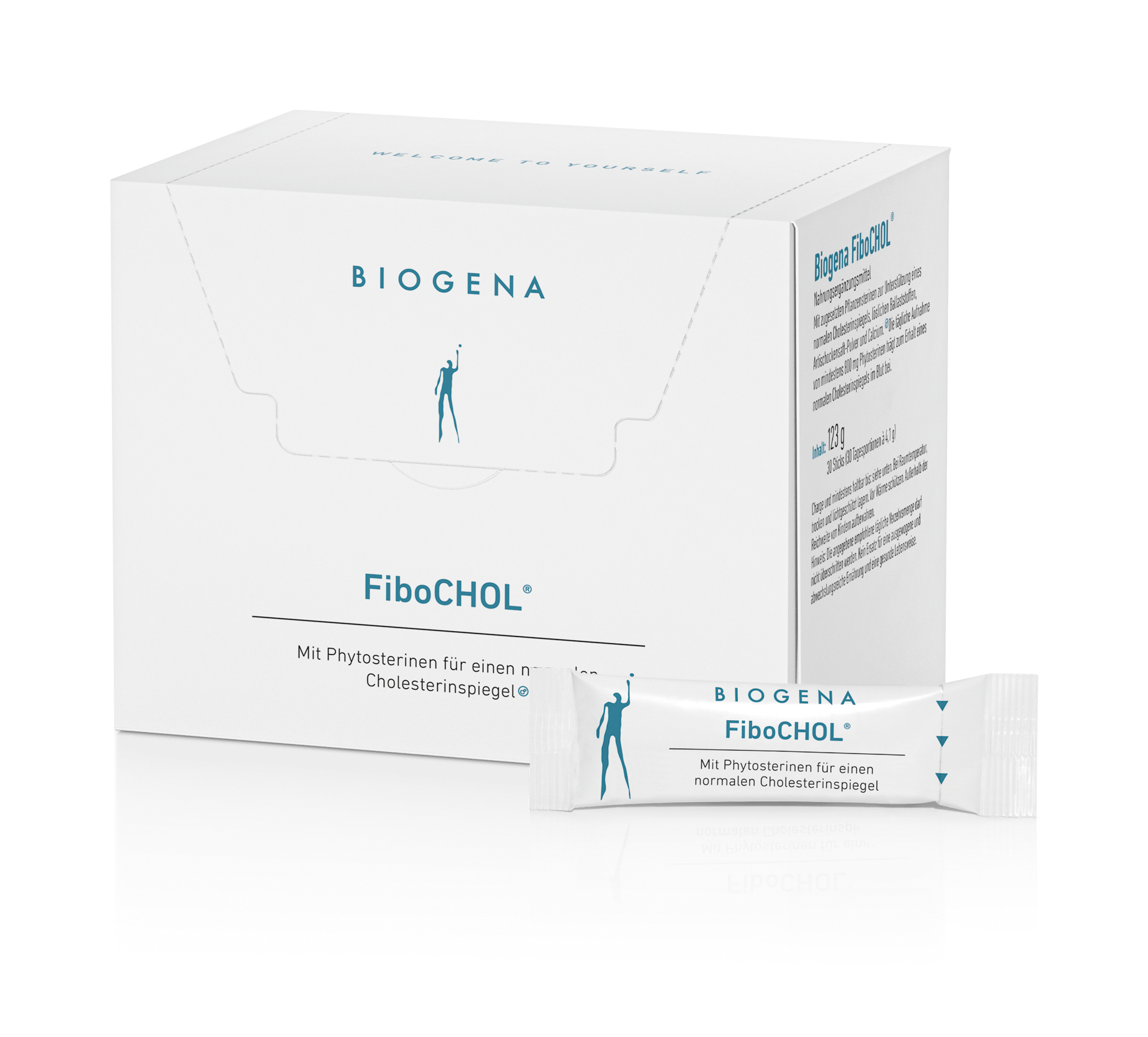
Your naturally smart premium formula for cholesterol regulation | Your plant-based cholesterol manager | |
| Contents | ||
|
| |
FAQs
Frequently asked questions about cholesterol & supplements
Sources & further reading:
Bernstein, A. M. et al. 2012. A meta-analysis shows that docosahexaenoic acid from algal oil reduces serum triglycerides and increases HDL-cholesterol and LDL-cholesterol in persons without coronary heart disease. J Nutr. 142(1):99–104. https://pubmed.ncbi.nlm.nih.gov/22113870/
Liang, S. et al. 2013. APOE genotype modifies the association between plasma omega-3 fatty acids and plasma in the Multi-Ethnic Study of Atherosclerosis (MESA). Atherosclerosis. 228(1):181–7. https://pubmed.ncbi.nlm.nih.gov/23466070/
Tatarczyk, T. et al. 2007. Analysis of long-chain omega-3 fatty acid content in fish-oil supplements. Wien Klin Wochenschr. 119(13–14):417–22. https://pubmed.ncbi.nlm.nih.gov/17671823/
Radkhah, N. et al. 2023. The Effect of Vitamin D Supplementation on Lipid Profiles: an Umbrella Review of Meta-Analyses. Adv Nutr. 2023 Nov;14(6):1479-1498. doi: 10.1016/j.advnut.2023.08.012. Epub 2023 Aug 30. https://pubmed.ncbi.nlm.nih.gov/37657652/
Cheng, S.C. et al. 2008. A randomized, double-blind, placebo-controlled trial of niacinamide for reduction of phosphorus in hemodialysis patients. Clin J Am Soc Nephrol. 3:1131–1138. https://pubmed.ncbi.nlm.nih.gov/18385391/
Shahbazian, H. et al. 2011. Oral nicotinamide reduces serum phosphorus, increases HDL, and induces thrombocytopenia in hemodialysis patients: a double-blind randomized clinical trial. Nefrologia. 31(1):58-65. https://pubmed.ncbi.nlm.nih.gov/21270914/
Almer, G. et al. 2022. Deficiency of B vitamins leads to cholesterol-independent atherogenic transformation of the aorta. Biomedicine & Pharmacotherapy Volume 154, October 2022, 113640.
Dludla, P.V. et al. 2022. Vitamin C intake potentially lowers total cholesterol to improve endothelial function in diabetic patients at increased risk of cardiovascular disease: A systematic review of randomized controlled trials. Front Nutr. 2022 Oct 31:9:1011002. doi: 10.3389/fnut.2022.1011002. eCollection 2022. https://pubmed.ncbi.nlm.nih.gov/36386907/
Wang, Y. et al. 2024. The association between vitamin E intake and remnant cholesterol, total cholesterol, high-density lipoprotein cholesterol, and low-density lipoprotein cholesterol in US adults: a cross-sectional study. Lipids Health Dis . 2024 Oct 1;23(1):325. doi: 10.1186/s12944-024-02313-8. https://pubmed.ncbi.nlm.nih.gov/39354564/
Calder, P. C. 2012. Omega-3 polyunsaturated fatty acids and inflammatory processes: Nutrition or pharmacology?. British Journal of Clinical Pharmacology. doi:10.1111/j.1365-2125.2012.04374.x. https://pubmed.ncbi.nlm.nih.gov/22765297/
Bloedon, L. T. et al. 2004. Flaxseed and Cardiovascular Risk. Nutrition Reviews 62(1):18–27. doi:10.1111/j.1753-4887.2004.tb00002.x. https://pubmed.ncbi.nlm.nih.gov/14995053/
Schoeneck M, Iggman D. 2021. The effects of foods on LDL cholesterol levels: A systematic review of the accumulated evidence from systematic reviews and meta-analyses of randomized controlled trials. Nutr Metab Cardiovasc Dis. 2021 May 6;31(5):1325-1338. doi: 10.1016/j.numecd.2020.12.032. Epub 2021 Jan 16. https://pubmed.ncbi.nlm.nih.gov/33762150/
Wang T et al. 2024.Protective effects of spermidine levels against cardiovascular risk factors: An exploration of causality based on a bi-directional Mendelian randomization analysis. Nutrition. 2024 Nov:127:112549. doi: 10.1016/j.nut.2024.112549. Epub 2024 Aug 5. https://pubmed.ncbi.nlm.nih.gov/39243489/
Mohamed R.E. et al. 2015. The lowering effect of Gum Arabic on hyperlipidemia in Sudanese patients. Front. Physiol., 18 May 2015. Sec. Vascular Physiology. Volume 6 – 2015. Frontiers | The lowering effect of Gum Arabic on hyperlipidemia in Sudanese patients
Frontiers | The lowering effect of Gum Arabic on hyperlipidemia in Sudanese patients
Ahangarpour, A. et al. 2014. Effect of Boswellia serrata supplementation on blood lipid, hepatic enzymes and fructosamine levels in type2 diabetic patients. J. Diabetes Metab Disord. 13(1):29. https://pubmed.ncbi.nlm.nih.gov/24495344/
Lan, Jiarong et al. 2015. Meta-analysis of the effect and safety of berberine in the treatment of type 2 diabetes mellitus, hyperlipemia and hypertension.” Journal of ethnopharmacology vol. 161 (2015): 69-81. doi:10.1016/j.jep.2014.09.049. https://pubmed.ncbi.nlm.nih.gov/25498346/
Sahebkar A. et al. 2018. Lipid-lowering activity of artichoke extracts: A systematic review and meta-analysis. Crit Rev Food Sci Nutr. 2018;58(15):2549-2556. doi: 10.1080/10408398.2017.1332572. Epub 2017 Aug 24. https://pubmed.ncbi.nlm.nih.gov/28609140/
Liu, Z et al. 2022. Effects of Coenzyme Q10 Supplementation on Lipid Profiles in Adults: A Meta-analysis of Randomized Controlled Trials. J Clin Endocrinol Metab. 2022 Dec 17;108(1):232-249. doi: 10.1210/clinem/dgac585. https://pubmed.ncbi.nlm.nih.gov/36337001/
Schmidbauer, C. et al. 2020. Mikronährstoff-Coach® Das große BIOGENA-Kompendium der Nährstoffe. Verlagshaus der Ärzte. 2017, 4. Auflage.
Sign up for our newsletter and get a €10 voucher
Sign up for our newsletter, receive your personal €10 voucher and look forward to exciting insights into the latest product innovations, giveaways and health tips – so you'll be well accompanied on your journey to well-being.