

Calcium supplements
Calcium is one of the most essential minerals in the body. Find out why your body needs it, which foods are particularly rich in calcium, and when supplementation may be beneficial.
Filters & Sorting
- Vegan
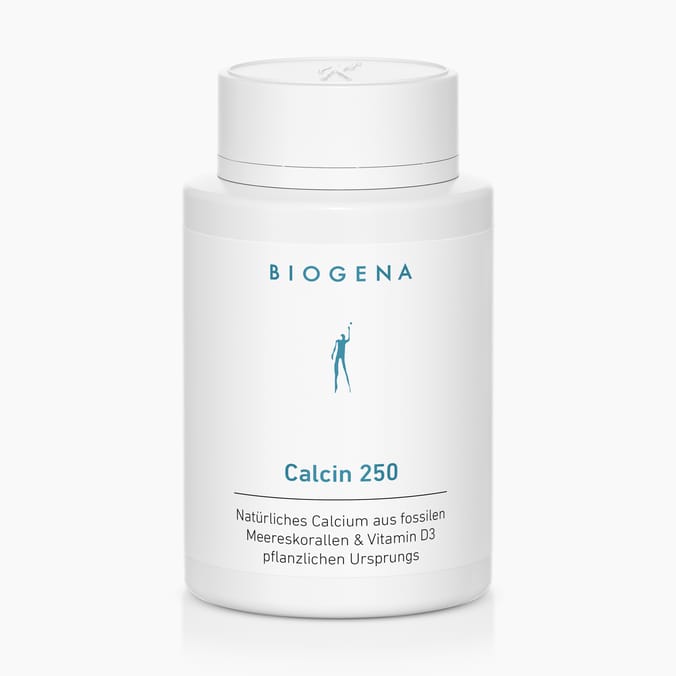
Biogena Essentials
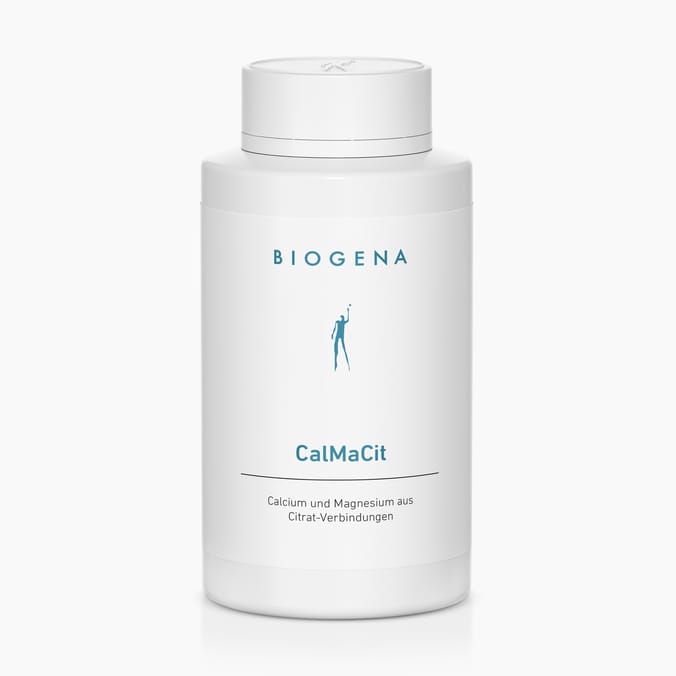
CalMaCit - Calcium Magnesium CitrateThe mineral duo calcium and magnesium
€362.34 / kg€27.90
Biogena Essentials
Calcium and magnesium citrate complexTo support bone metabolism and maintain strong bones
€518.67 / kg€38.90- Bestseller

Biogena Exceptionals
Osteo Calbon Complex® GoldPremium bone and joint complex with calcium, vitamin D & more
€552.70 / kg€40.90 
Biogena Essentials
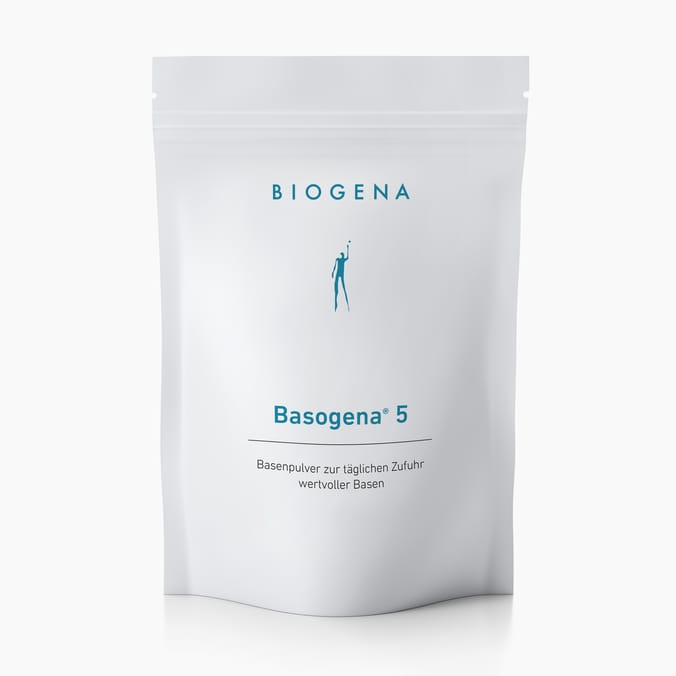
Basogena® 5 - alkaline powderAlkaline powder with selected mineral compounds for the acid-base balance
€175.60 / kg€43.90
Biogena Essentials
Basogena® 5 - alkaline powderBase powder with selected mineral compounds
€299.17 / kg€35.90- Pregnancy
Biogena Essentials
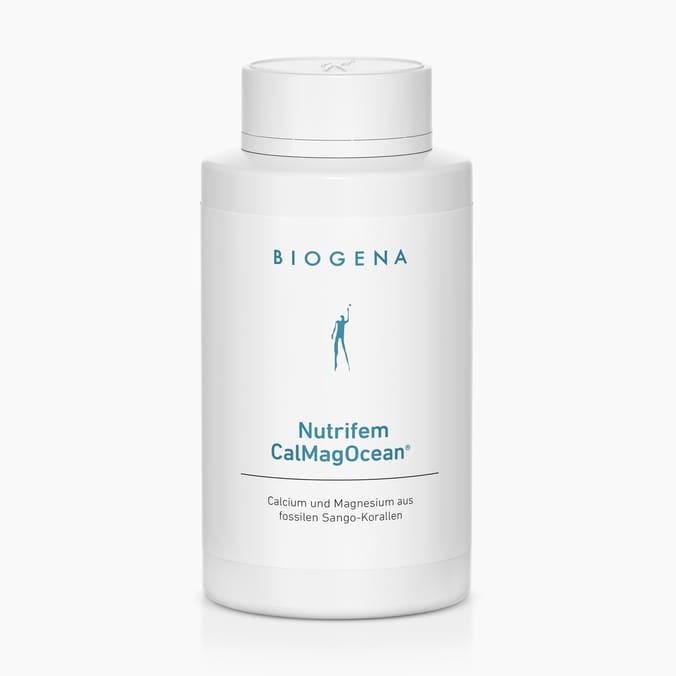
Nutrifem CalMagOcean®With calcium and magnesium for pregnancy and breastfeeding
€409.00 / kg€40.90 
Biogena Exceptionals
Nutrident® O-P Pro SuperiorMicronutrient complex for teeth, gums and bones*
€299.67 / kg€89.90
Biogena AESTHETICS
SUMMER SKIN+ SUPERIORBeautiful skin from within – Ideal for sunny days
€1,067.44 / kg€45.90
Calcium and its benefits: The all-rounder for bones, muscles, and nerves
Around one kilogram of calcium is stored in our body, almost entirely in our bones. But calcium does much more: it strengthens not only bones and teeth but also supports muscles, nerves, and blood clotting.
For strong bones and teeth
Calcium is the main building block of our hard tissues. It gives teeth and bones strength and stability – no wonder it’s often called the "bone mineral."
Muscles need calcium
Without calcium, muscles cannot function: the mineral enables muscle contraction, while magnesium controls relaxation. A balanced ratio of both minerals is crucial to prevent muscle cramps and weakness, especially when additional losses occur due to intense sweating during exercise.
Nervous system and blood clotting in balance
Calcium also plays a key role in our nerves and blood clotting. A lack of calcium can result in slower wound healing – and a chronic calcium imbalance can even affect mental health.
Vitamin D and calcium – a strong team
For calcium to be optimally incorporated into bones, the body needs enough vitamin D. A deficiency in vitamin D can hinder calcium absorption, so it’s important to keep an eye on both nutrients.
Consequences of calcium deficiency: when calcium levels drop
A calcium deficiency often shows up as muscle cramps in the short term, but in the long term, it can weaken bone structure and lead to osteoporosis. Dry skin, brittle nails, and hair loss can also be signs of low calcium levels.
Who should pay special attention to calcium?
Adolescents in the growth phase
Women after menopause
Pregnant and breastfeeding women
Older adults
People on a lactose-free diet or with restricted calcium intake
Calcium supplementation to prevent a deficiency
Our body needs a constant supply of calcium every day. If the intake is insufficient, the body will use its reserves in the bones. Over time, this can lead to bone substance loss as the calcium is used for other important functions.
Since the body can’t produce calcium on its own, a conscious intake through diet is essential. Foods rich in calcium should regularly be included in your meals.
If you can't meet your calcium needs through diet alone – due to specific life circumstances or increased demand – high-quality supplements can help you target your calcium intake effectively.
Calcium-rich foods: your natural support
For an extra boost of calcium, you can rely on these foods:
Calcium-rich mineral water
Sesame, amaranth, wheatgrass, and chia seeds
Almonds and hazelnuts
Dark leafy greens like broccoli and kale
Kohlrabi, arugula, mushrooms, and white beans
Wild herbs like nettles
Calcium-fortified plant-based milk
Dairy products like yogurt and cheese
A colorful mix that makes your diet not only more varied but also richer in calcium!
Summary: why calcium is important and how supplements can help
Calcium is essential for strong bones, healthy teeth, and a well-functioning nervous system. Around 99% of the mineral is stored in our hard tissues, while the small remainder circulates in the blood and tissues.
If calcium is lacking, the body will draw from its emergency reserves in the bones – which can lead to bone substance loss over time. Because calcium is involved in so many processes, you should ensure you get enough of it every day.
If diet alone doesn't meet your needs, high-quality supplements can help increase your calcium intake for strong bones and overall well-being.
FAQs
Questions about calcium supplements? Here’s what you need to know
Sign up for our newsletter and get a €10 voucher
Sign up for our newsletter, receive your personal €10 voucher and look forward to exciting insights into the latest product innovations, giveaways and health tips – so you'll be well accompanied on your journey to well-being.