

:quality(70))
01
What is semaglutide?
Semaglutide is an active ingredient from the group of so-called GLP-1 receptor agonists. Originally developed for the treatment of type 2 diabetes, clinical studies have shown that the active ingredient can also curb appetite and reduce body weight. Semaglutide mimics the body's own hormone GLP-1 (glucagon-like peptide-1) – a messenger substance that is released in the intestine after eating and sends satiety signals to the brain.
In a medical context, semaglutide is now also prescribed for weight loss in cases of severe obesity. It is usually administered once a week by injection – hence the term ‘weight loss injection’.
02
Risks and side effects of weight loss injections
Despite its popularity, it is important to be aware that the use of semaglutide should be medically supervised. Known side effects include:
Nausea, diarrhoea or constipation
Loss of appetite, heartburn or bloating
Rare but serious complications such as pancreatitis
It is also unclear how long-term use over many years affects the body. In some cases, rapid weight gain occurred after discontinuation – an indication that long-term success depends heavily on lifestyle.
03
Natural alternatives to weight loss injections with semaglutide
Those who wish to adopt a natural, over-the-counter approach to weight management can focus on the same biological factors – in particular, improving GLP-1 activity through lifestyle changes.
The following four areas play a key role in this:
1. GLP-1-activating diet
Certain foods and diets can stimulate the body to produce more GLP-1 – without any injections:
Fibre from whole grains, legumes and vegetables – slows down digestion and promotes satiety
Proteins such as fish, lean meat, tofu, eggs or yoghurt – can stimulate GLP-1 release
Bitter compounds, e.g. from chicory, artichokes or rocket, stimulate intestinal hormones.
Healthy fats from avocados, nuts or olive oil help regulate blood sugar levels.
Intermittent fasting can also help harmonise insulin levels and promote the body's own GLP-1 production. Drinking a glass of water before eating also helps to promote a natural feeling of fullness.
2. Exercise – the natural fat burner
Physical activity is key to sustainable weight loss – regardless of whether you decide to use weight loss injections or not:
It can increase energy consumption and fat metabolism
It can have a positive effect on hormonal processes
It can reduce cravings and curb feelings of hunger
It can help maintain muscle mass and improve insulin sensitivity
It can reduce stress and anxiety
Can curb appetite
The optimal approach is a combination of strength and endurance training, supplemented by everyday exercise (e.g. walking, climbing stairs, cycling).
3. Mindfulness when eating
Eating quickly, emotionally or unconsciously is a common cause of obesity. Mindfulness exercises while eating help you to better control your feelings of hunger and satiety. If you concentrate on every meal, you will eat more consciously and slowly – with positive effects on digestion, hormones and weight.
4. Gut health & probiotic bacteria
A healthy gut flora can promote the production of short-chain fatty acids (e.g. propionate), which in turn – similar to semaglutide – can stimulate GLP-1 secretion. Probiotic dietary supplements or fermented foods such as sauerkraut, kefir or kimchi support the colonisation of positive bacterial strains.
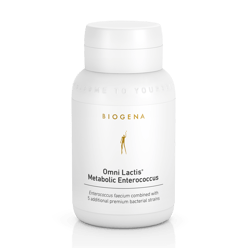
Omni Lactis® Metabolic Enterococcus
5. Effective dietary supplements
Certain dietary supplements can also help you lose weight:
Berberine: can reduce blood sugar spikes and help you lose weight
Curcumin: can promote fat loss and stimulate digestion
Omega-3: can strengthen muscle growth and intensify fat burning
Magnesium: can improve your metabolism and make you more alert
Green tea extract: can increase the body's energy consumption and thus stimulate the metabolism
04
Conclusion: Strengthen naturally instead of injecting
The so-called weight loss injection with semaglutide can be helpful for people who are severely overweight under medical supervision. However, it is no substitute for a healthy lifestyle – and it has side effects. For anyone who wants to lose weight naturally and sustainably, there are effective alternatives: diet, exercise, mindfulness and healthy gut flora are key levers for balancing the metabolism – and thus strengthening the body and well-being.
:quality(70))
:quality(70))
:quality(70))
:quality(70))
:quality(70))
:quality(70))
:quality(70))
:quality(70))
:quality(70))