


01
A leading player called vitamin D: the benefits
A leader, an all-rounder, a whirlwind. Call vitamin D whatever you like. The fact is: this essential nutrient is one of the VIPs in your body. That’s because it has a hand in almost everything. Fun fact: strictly speaking, vitamin D isn’t actually a vitamin at all, but a hormone. This is because it’s made up of the same basic building blocks as, for example, the sex hormone oestrogen. But back to its functions. Vitamin D ensures, for example, that …
your immune system functions smoothly
you can absorb calcium and phosphorus more effectively
your thyroid gland works properly and your hormones are in balance
you go through life in good spirits and full of energy
02
How vitamin D and female hormones are linked
Everyone benefits from this list of advantages that vitamin D offers, whether male or female. And so, conversely, a vitamin D deficiency can be dangerous for everyone, not only weakening your immune system but also negatively affecting your muscles, bones and teeth, right down to your general well-being.
However, there is evidence to suggest that vitamin D plays an even greater role for the women amongst us than it does for men. For women, this micronutrient can therefore do even more – particularly when it comes to menstruation, the menopause and related issues. So let’s take a closer look at this.
03
Why vitamin D is important for your period
Women have the power to create new life. It’s that simple – and yet, at the same time, that difficult. For many, menstruation presents a major challenge month after month. A number of factors can influence the length and duration of your cycle – for example, your body weight, whether you smoke, or whether you’re currently experiencing stress in your life. Studies suggest that your vitamin D levels also play a part here. Women with low vitamin D levels are particularly likely to experience an irregular cycle or a period that is too short, too long or absent altogether.
Exactly how vitamin D achieves this has not yet been 100 per cent scientifically established. What we do know so far is that vitamin D is directly involved in the production of female sex hormones, namely oestrogens. You need these so that your body can build up the lining of the womb and then shed it again during menstruation. If your body has too little vitamin D in store, your testosterone levels may also rise. An irregular or missed period is then not uncommon. Similarly, vitamin D can lead to low anti-Müllerian hormone levels – and consequently to a reduced egg reserve. This isn’t good news if you’re trying to get pregnant. In a nutshell: whether you’re a woman looking to support your hormones, ensure your periods remain regular, or get pregnant – vitamin D is your first choice!
04
The importance of vitamin D during pregnancy
An irregular cycle isn’t just annoying; it can also be directly linked to your fertility. But what if you’re already pregnant – does vitamin D still play a role? The answer is: yes!
Although your daily requirement doesn’t change, you still need to ensure you’re getting enough vitamin D. This is because both your placenta and the baby’s tissues are equipped with vitamin D receptors that are literally craving it. Vitamin D also plays a role in cell division – and without new cells, there can be no new life. As a key component of your calcium and phosphate metabolism, vitamin D ensures normal bones and teeth, healthy muscles and a strong immune system even during this extraordinary phase of life – the perfect foundation for a healthy pregnancy.
05
Vitamin D and how it works during the menopause
The older we get, the more health challenges we face. One is the fact that our bones become weaker. Another is that the risk of cardiovascular disease increases. Women, in particular, are at risk in this regard. The reason: from the menopause onwards, your body no longer has as much oestrogen available.
How can you counteract this? With enough calcium! And with enough vitamin D. This is because your gut needs vitamin D to be able to utilise calcium properly. Together, these two vital nutrients form a real powerhouse: they strengthen the heart and blood vessels, lower blood pressure and ensure that osteoporosis and other conditions don’t stand a chance.
06
How vitamin D can affect your mental health
The sun evokes feelings of euphoria in most people. We think of bright light, warm temperatures and carefree summer days. Vitamin D has a similar effect. This is because the micronutrient promotes a sunny disposition and chases away bad moods.
Once again, we do not yet know exactly how vitamin D achieves this. But the fact is: vitamin D is closely linked to the enzyme tryptophan hydroxylase. And this enzyme plays a key role in the production of the ‘happiness hormone’ serotonin.
07
How much vitamin D do women need?
In order for your body to produce the ‘sunshine vitamin’, it needs sufficient UV radiation. The catch is that, particularly in Europe, sunlight is often insufficient. Added to this is our modern lifestyle: we spend too much time indoors and not enough outdoors. Your vitamin D levels really don’t like this combination – they plummet. That’s why it’s important that you make a conscious effort to give your body vitamin D.
The German Nutrition Society for Children, Adolescents and Adults recommends 20 µg or 800 IU of vitamin D daily. However, as most people are already deficient or could benefit from more vitamin D for other reasons, higher doses are also possible. The safe maximum daily intake for vitamin D is 100 µg or 4,000 IU. It’s best to discuss this with an expert beforehand.
Getting vitamin D from your diet
One way to boost your vitamin D levels is by eating foods rich in vitamin D. In particular, oily fish and certain mushrooms should feature in your diet. Bear in mind, however, that none of these foods will provide you with enough vitamin D to meet your entire daily requirement – on average, they will cover 10–20 per cent of it.
Taking vitamin D supplements
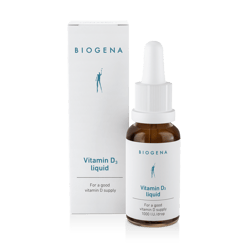
The second option that comes to the fore here is high-quality dietary supplements. When it comes to vitamin D, you’re now spoilt for choice in terms of dosage forms – drops or capsules, on their own or combined with other beneficial nutrients.
Why a combination at all, you might ask? Quite simply: because vitamin D, for example, is a fat-soluble nutrient that is ideally combined with oil to maximise absorption. Or you could opt straight away for a supplement that also includes important co-factors which help ensure proper metabolism. These are, first and foremost, calcium, magnesium, boron and vitamin K2.
08
Conclusion
‘Diamonds are a girl’s best friend’, Marilyn Monroe once sang. But guess what? Vitamin D is a girl’s best friend, too. Why? Because this essential nutrient can support women in particular in so many ways. From bones and teeth right through to hormones, the menstrual cycle and fertility. Especially as the menopause approaches, it can protect you from conditions such as osteoporosis and ensure that your heart, blood vessels, immune system and so on stay strong. So get your hands on this good stuff!


