

:quality(70))
01
Natural hair loss: How many hairs do you lose per day?
Up to one hundred hairs are lost daily (after pregnancy or for a short period of time because of the season) without any pathological process at the root of it. However, if hair loss and new hair formation no longer balance each other in the long term and your hair is thinning, the causes should be investigated. It is necessary to recognise the interrelationships affecting hair growth and intervene precisely. If you do this, soon, nothing can stand in the way of healthy hair growth. A diagnostic analysis of micro-nutrients that reveals relevant deficiencies is particularly recommended for thinning hair.
02
Nutrition & vitamins: What you can do for your hair health
In keeping with the motto “You are what you eat”, hair health and quality largely depend on the nutrient supply to hair follicles. Nutrients enter the hair papilla via small blood vessels. This process is responsible for the formation of the new hair cells that are particularly active in hair division. A nutrient-rich diet is therefore the basis for healthy hair. Too little L-cystine, pantothenic acid, zinc, vitamin D, or iron (particularly critical for young women) can manifest in thinning hair.
Biotin plays an important role in maintaining hair fullness; it maintains normal hair structure. Oatmeal, nuts, and dairy products, for example, are rich in biotin.
Possible uses:To support the fullness of hairFor targeted supplementation with pantothenic acid and L-cystine
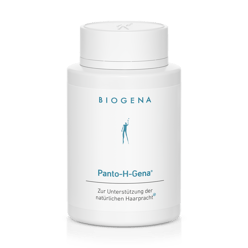
Panto-H-Gena®
There's no miracle cure for thick, full hair, despite what shampoo ads may suggest. The basis for strong and healthy hair is a diet rich in vital substances that strengthen and support our body. Certain micro-nutrients can make an important contribution so that we can continue to enjoy having shiny and strong hair.
:quality(70))
:quality(70))
:quality(70))
:quality(70))
:quality(70))
:quality(70))
:quality(70))
:quality(70))
:quality(70))