

:quality(70))
01
What is N-acetyl-L-cysteine (NAC)?
N-acetyl-L-cysteine, or NAC for short, is a modified form of the amino acid L-cysteine. This amino acid is an important component of many proteins and is required to synthesise glutathione, one of the strongest antioxidants in the body. Due to its versatile positive effects on the human organism, awareness of N-acetylcysteine has increased considerably in recent years.
02
Benefits of NAC on the organism
The diverse modes of action of NAC can be explained by its role as precursor to glutathione and its direct antioxidant capacity.
Effect as a direct antioxidant
As a precursor to glutathione, NAC helps to strengthen the body’s antioxidant defence system. Glutathione is the most important intracellular antioxidant that neutralises free radicals, protecting cells from oxidative stress. In addition, NAC also acts directly as an antioxidant by intercepting free radicals and minimising their harmful effects on cells and tissues. Through this antioxidant effect, acetylcysteine can help slow the ageing process and reduce the risk of chronic diseases caused by oxidative stress.
Effect as a mucus releaser for lung health
In addition, NAC is often used as a mucolytic agent to support the respiratory tract. It helps to liquefy the mucus in the airways, which makes the mucus easier to cough up. As a result, NAC can have a supportive effect, especially in respiratory diseases such as chronic bronchitis, asthma or COPD. Its antioxidant properties also allow it to alleviate inflammatory processes in the respiratory tract and thus contribute to the improvement of lung function.
Effect on the heart and vessels
NAC can also have a protective effect on the cardiovascular system. By promoting glutathione production, it contributes to the reduction of oxidative stress, a key factor in the development of arteriosclerosis. In addition, NAC has vasodilatory properties that can improve blood flow and regulate blood pressure. Thus N-acetyl-L cysteine helps to reduce the risk of cardiovascular diseases such as high blood pressure and coronary heart disease.
Effect on the immune system
A strong immune system is crucial for defence against pathogens. NAC can strengthen the immune system by increasing glutathione levels in cells and reducing oxidative stress. Glutathione plays a central role in the functioning of the immune cells – in this way NAC can help to strengthen the body’s defences and reduce susceptibility to infections.
Effect on the liver
The liver is the body’s detoxifying organ and plays a key role in the breakdown of pollutants. NAC can promote glutathione production in the liver and thus support detoxification. In addition, NAC can contribute to liver health through its antioxidant and anti-inflammatory effect by protecting cells from damage and promoting regeneration.
Effect on the brain
Oxidative stress and inflammation in the brain are increasingly associated with mental illnesses such as depression, anxiety disorders and impulse control disorders. NAC has shown that it can influence these factors. By increasing glutathione levels in the brain, NAC can help reduce neuronal stress and stabilise mood. Some studies indicate that NAC can play a supportive role when it comes to psychological stress.
03
Intake and dosage of NAC
N-acetylcysteine is available in various forms such as tablets, capsules or powder. BIOGENA offers NAC as capsules – with the new dosage of 350 mg N-acetyl-L cysteine in the usual excellent quality, without binders or other unnecessary additives. The number of capsules was increased from 60 to 180 capsules to allow longer-term use.
The recommended daily dose is one capsule that should be taken with plenty of fluid.
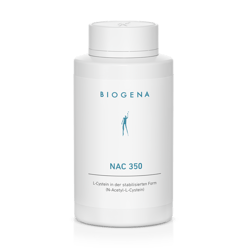
NAC 350
:quality(70))
:quality(70))
:quality(70))
:quality(70))
:quality(70))
:quality(70))
:quality(70))
:quality(70))
:quality(70))