

:quality(70))
01
Coffee: How this popular bean-based drink affects your body
The first question that springs to mind is: why do so many people reach for a coffee every day? One of the main reasons is the caffeine it contains – that little boost of energy we all crave. This comes with a number of benefits.
Coffee can:
alter the activity of neurotransmitters
stimulate the central nervous system
boost short-term memory
enhance cognitive and psychomotor functions
boost fat burning
improve athletic performance
lift your mood
So, after a cup of this ‘brown gold’, we feel more alert, more attentive and more focused. Ready to tackle whatever the day brings. Good coffee can also protect the body from free radicals thanks to its antioxidant compounds. Oxidative stress? It doesn’t stand a chance!
Sounds brilliant, doesn’t it? It certainly is! Studies also suggest that people who enjoy coffee every day reap further health benefits: they may even reduce their risk of having to contend with chronic conditions such as diabetes or diseases of the cardiovascular and nervous systems.
But when it comes to this much-loved brew, the motto is: “A cup or two? Great! Too much coffee – oh dear!” Because if you drink it in large quantities rather than in moderation, you could soon be suffering from headaches, a racing heart, nervousness, anxiety, sleep disturbances or stomach problems. And: coffee also affects your magnesium levels – more on that in a moment.
So how much coffee is okay? According to the EFSA (European Food Safety Authority), the safe daily intake of caffeine is 400 mg. That’s roughly four cups of coffee.
02
Magnesium: a mineral with many benefits – why your body needs it
Let’s now take a closer look at the second substance: magnesium. This mineral is vital for us humans. Countless functions and processes in your body depend on it. You need it, for example, for strong bones and teeth, balanced hormone levels, a healthy heart, stable blood pressure and to ensure that your cells can divide. What’s more, it provides energy for all your workouts, supports your sleep and helps your muscles recover. As if that weren’t enough, it plays a part in the production of the ‘happiness hormone’ serotonin. And that banishes anxiety and puts you in a good mood instead. Brilliant, isn’t it? No wonder, then, that many people now take magnesium supplements to help them perform at their best during exercise and in everyday life, to prevent cramps, to support sleep and mental wellbeing, or to compensate for a magnesium deficiency.
03
Coffee and magnesium: why caution is advised when taking them together
So how about combining the two? In other words, taking magnesium and coffee together? Is that possible? In principle, yes. Unless you have a sensitive digestive system. In that case, make sure to leave a gap of time between them to avoid the risk of diarrhoea.
04
Why, even as a coffee lover, you shouldn’t go without magnesium
What else you need to know: Caffeine has a diuretic effect – and can therefore flush valuable magnesium out of your body faster than you’d like. This can even lead to a deficiency.
With moderate consumption, you don’t need to worry about this – if you drink up to five cups a day, there is no significant risk of a magnesium deficiency. However, the more coffee you drink, the more pronounced this effect becomes. In this case, it may be a good idea to give your body an extra dose of magnesium. Don’t forget to leave a gap between doses.
Which caffeinated drinks does this also apply to?
Caffeine is not only found in coffee, but also in certain teas. For example, in green and black tea. Energy drinks, cola and chocolate may also contain this substance. You should therefore be mindful of other drinks and foods that you consume regularly, avoid combining these directly with magnesium, and never lose sight of your overall intake.
05
Other things to bear in mind when taking magnesium
Experts recommend around 400–420 mg of magnesium for men and 310–320 mg for women per day. However, if you’re a keen sports enthusiast or constantly on the go in your daily life, you may need a little more to ensure that all the organs that rely on magnesium – particularly your muscles and nervous system – function as you’d like them to.
You can generally take magnesium at any time of day – even in small doses. This minimises the risk of magnesium having a laxative effect. Also, make sure the supplement is high-quality and free from additives that you don’t need. Instead, focus on the magnesium compounds it contains, which should be ideally suited to you and your goals.

Siebensalz® Magnesium Komplex
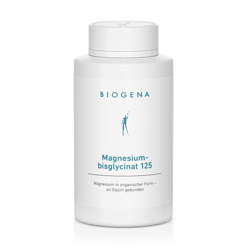
Magnesium bisglycinate 125
06
Ensuring your body gets enough magnesium: key sources
However, always regard dietary supplements as nothing more than a ‘little extra’ – the basics must be right first. The foundation. And that is called a balanced diet – with a focus on magnesium-rich foods.
Above all, wholemeal products, green leafy vegetables, pulses, nuts and seeds, as well as fish and seafood should now feature on your plate. Although meat, potatoes and bananas contain slightly less magnesium, we generally eat more of them. Therefore, they too can play a part in ensuring an optimal intake.
07
Conclusion
Mix and match – that applies to all sorts of things these days. Even to the combination of coffee and magnesium. However, if you have a sensitive stomach, it may be advisable to leave a little time between consuming the two. So plan your day carefully, take your time and listen to your body! Full concentration ahead – may the power be with you!
:quality(70))
:quality(70))
:quality(70))
:quality(70))
:quality(70))
:quality(70))
:quality(70))
:quality(70))
:quality(70))