

Micronutrients

Ginseng explained: Benefits, uses and side effects

Abstract view of Antelope Canyon's smooth, flowing sandstone walls, illuminated by soft natural light in shades of brown, pink, and blue.

Lisa Ressi, MSc

14.08.20243 Reading time

Ginseng is one of the oldest and most popular medicinal plants in the world. Its adaptogenic properties, which help the body to cope with stress, and its varied health benefits make it an indispensable part of traditional medicine. In this blog post, we go into detail about the benefits, effects, possible uses and potential side effects.

01

Definition: What is ginseng?

Ginseng is a plant belonging to the Panax genus, found mainly in the forests of Asia and North America. The best known species are Asian ginseng (Panax ginseng) and American ginseng (Panax quinquefolius), which is milder.

The root of the plant, used for centuries in traditional Chinese medicine, is known for its energising and health effects. The term ‘Panax’ is derived from the Greek word ‘panacea’, meaning ‘cure-all’, and reflects the broad range of applications of ginseng.

NOTE: Sometimes Siberian ginseng is also mentioned. This is another name for eleutherococcus (taiga root) and should not be confused with Panax ginseng

02

Benefits of ginseng

The effects of ginseng are varied and are mainly attributed to its active ingredients, ginsenosides. These compounds are intended to show modelling effects on the immune system and the central nervous system. Ginseng is thought to increase physical and mental performance, reduce fatigue, reduce stress, promote sexual health, lower blood sugar levels and improve the immune function. However, not all of these effects have been sufficiently scientifically investigated and proven.

The proven effects of ginseng include: 

Stress reduction

The adaptogenic properties of ginsenosides help the body to better manage psychological and physical stress. They support the stability of the metabolism, regulate important hormones such as cortisol and testosterone, and protect cells from oxidative stress damage. This increases resilience, improves performance under stress and reduces the risk of stress-related illnesses. 
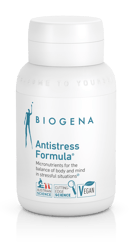
To support nerve metabolism and concentration in stressful situations such as stress
Antistress Formula®

Antistress Formula®

€36.90
To the product

Reduction in blood sugar levels

Ginseng has been shown to help lower and regulate elevated blood sugar levels. Thanks to the numerous antidiabetic effects, the medicinal plant is also used as an accompanying therapeutic agent for type 1 diabetes mellitus.
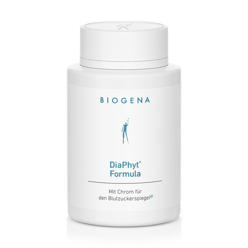
With plant extracts from tropical vine, bitter melon, green tea and ginseng root and the trace element chromium
DiaPhyt® Formula

DiaPhyt® Formula

€37.90
To the product

Improving sexual health

Ginseng is often used as a drug to increase the libido and to treat erectile dysfunction. This is because the ginseng root can directly improve sperm quality and, due to its stress-reducing properties, can indirectly contribute to reducing the negative effects of stress on sperm quality. This makes ginseng a supportive agent for the treatment of fertility disorders in men.

High-quality plant substances for physical and mental vitality, energy & drive: maca, ginseng and guarana extract
Maca Energy

Maca Energy

€34.90
To the product

Effect on the brain

Studies have shown similar psychoactive effects in humans for ginseng as for guarana. It improves the mood parameters and thus provides more drive.

Immune system strengthening

Ginseng can support the immune system by promoting the production of immune cells. 

03

Use of ginseng: Tea, capsules, etc.

Ginseng is available in many forms: As a dried root, extract, capsule, in cosmetics, lemonade or tea. A different pharmaceutical form can be selected depending on personal preference and the desired effect.

For those who prefer the exact dosage, capsules are a practical option. They contain high-dose extracts and are easy to integrate into everyday life. Ginseng is usually used in combination with other active ingredients to achieve the desired effect.

04

Ginseng side effects & interactions

Ginseng is considered very safe when the dosage recommendations are taken into account. When used correctly, it is a valuable health supplement. This allows you to make the most of the benefits of ginseng and to minimise the potential risks.  

However, due to insufficient studies, pregnant women, breastfeeding women and children should avoid taking ginseng.

Lisa Ressi, MSc

Expert in knowledge management & speaker

Lisa Ressi is a certified Health & Care Nurse with a Master's degree in Health Sciences. Her heart has been in micronutrients for over 20 years. During her work as a freelance health and care nurse, she also gained a lot of practical experience with micronutrients. 

Her journey at BIOGENA began in 2014. In addition to her work as a micronutrient consultant at the BIOGENA store in Linz, she has created the Micronutrient Coach® compact course with great commitment and love. She has been a member of the BIOGENA science team since 2022 where she fulfills her great passion for knowledge transfer. True to the motto “Knowledge creates health”, she shares her knowledge in lectures, seminars, podcasts and even contributions in a very practical way with all those who are interested in promoting health and supporting therapy with micronutrients.

FAQs

Frequently asked questions about ginseng

Further reading:

Gaffney, B. T. et al. 2001. The effects of Eleutherococcus senticosus and Panax ginseng on steroidal hormone indices of stress and lymphocyte subset numbers in endurance athletes. Life Sci. 70(4):431-42.

Gröber, U. Arzneimittel und Mikronährstoffe: Medikationsorientierte Supplementierung, 3. aktualisierte und erweiterte Auflage. Stuttgart: WVG Wissenschaftliche Verlagsgesellschaft Stuttgart, 2014.

Hong, B. et al. 2002. A double-blind crossover study evaluating the efficacy of Korean red ginseng in patients with erectile dysfunction. A preliminary report. J Urol. 168(5):2070-3.

Hwang, H. J. et al. 2007. Combined effects of swim training and ginseng supplementation on exercise performance time, ROS, lymphocyte proliferation, and DNA damage following exhaustive exercise stress. Int J Vitam Nutr Res. 77(4):289-96.

Kennedy, D. O. et al. 2004. Improved cognitive performance in human volunteers following administration of guarana (Paullinia cupana) extract: comparison and interaction with Panax ginseng. Pharmacol Biochem Behav. 79(3):401-11.

Mkrtchychan, A. et al. 2005. A phase I clinical study of Andrographis paniculata fixed combination versus ginseng and valerian on the semen quality of healthy male subjects. Phytomedicine. 12(6-7):403-9.

Nocerino, E., Amato, M., Izzo, A. A. 2000. The aphrodisiac and adaptogenic properties of ginseng. Fitoterapia. 71(Suppl 1):S1-5.

Vuksan, V. et al. 2008. Korean red ginseng (Panax ginseng) improves glucose and insulin regulation in well-controlled, type 2 diabetes: results of a randomized, double-blind, placebo-controlled study of efficacy and safety. Nutr Metab Cardiovasc Dis. 18(1):46-56.

Feel-good News

Everything about supplements, health tips and understandable study results directly from experts.
Show all articles

Sign up for our newsletter and get a €10 voucher

Sign up for our newsletter, receive your personal €10 voucher and look forward to exciting insights into the latest product innovations, giveaways and health tips – so you'll be well accompanied on your journey to well-being.