

Supplements for Mental Health (Nerves & Mind)
Your mind is constantly at work—requiring the right nutrients to stay in mental balance. Vitamins and minerals can be your powerful allies in this journey. Take moments for yourself, embrace self-care, and nourish your body with the right nutrients—so you can experience more focus, clarity, and overall well-being.
Filters & Sorting
- Psyche
Biogena Essentials
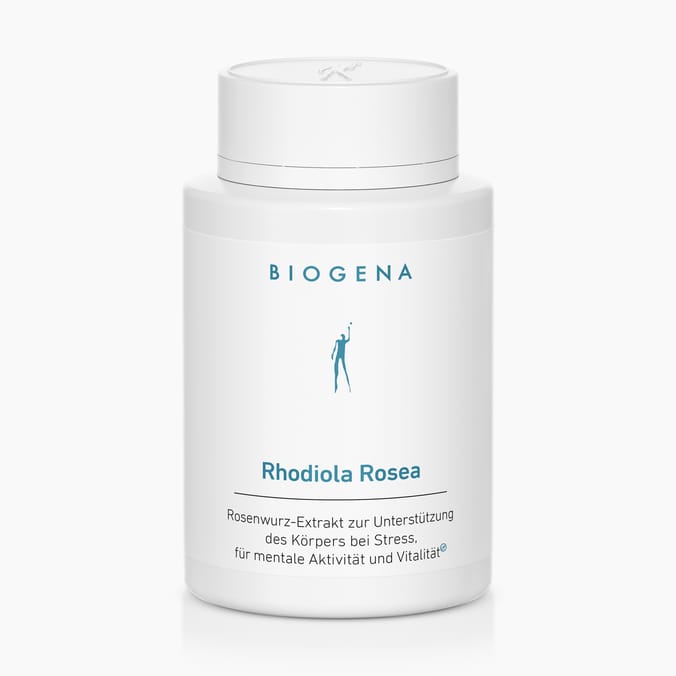
Rhodiola RoseaRhodiola extract to support the body in stress, mental activity & vitality
€1,069.05 / kg€44.90 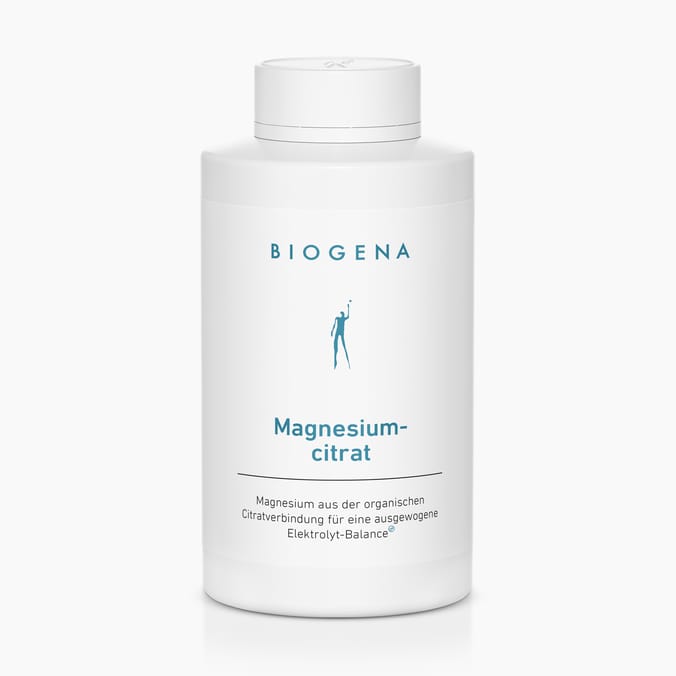
Biogena Essentials
Magnesium citrateMagnesium citrate for muscles, nerves, and energy
€332.05 / kg€25.90- Sleep
Biogena Essentials
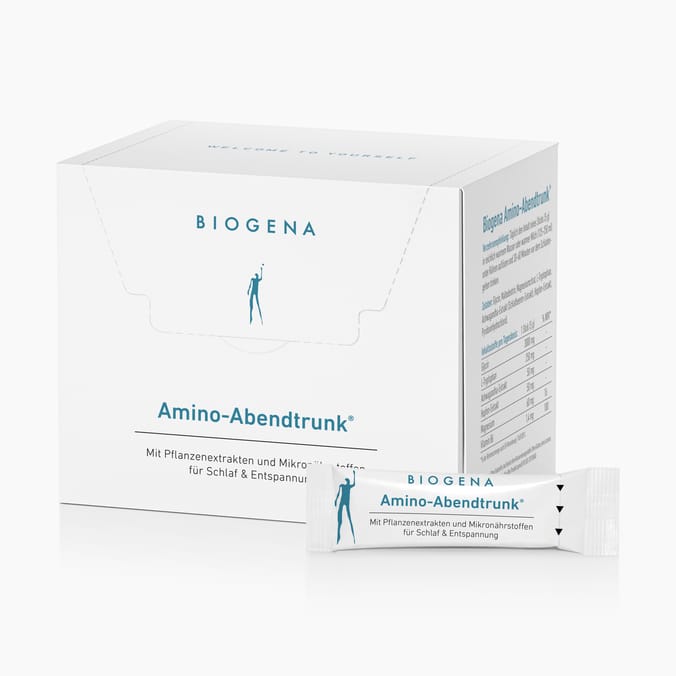
Amino Sleep TrunkWith amino acids, plant extracts and micronutrients – for sleep & relaxation
€36.90 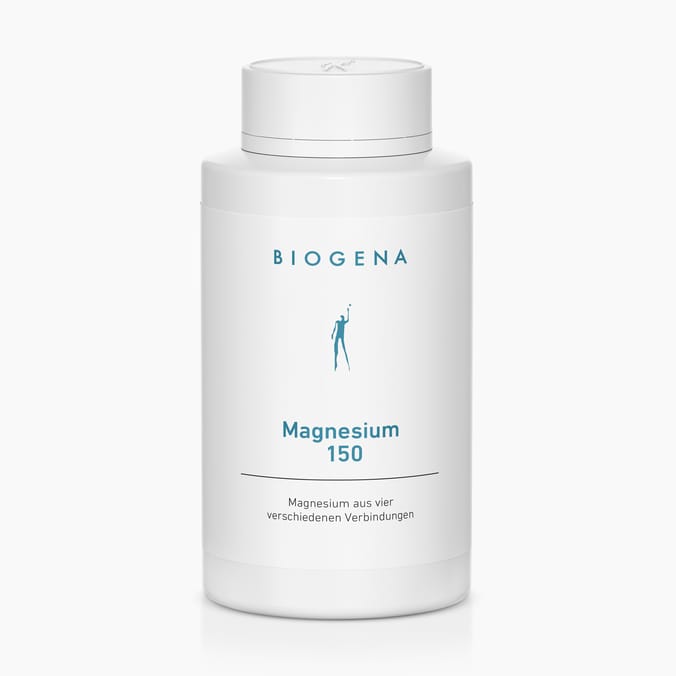
Biogena Essentials
Magnesium 150 mgFour premium forms of magnesium – perfectly combined for your daily routine and smart support
€395.59 / kg€26.90
Micronutrients and vitamins for the nervous system
Mental health isn't about always being happy—it's about dealing with life's ups and downs with calm and resilience. There are many ways to enhance emotional balance, and key areas to focus on include: your mood, how you handle stress, nerve regulation, and your two vital energy sources: sleep and relaxation.
Nerves & Mind: Inner balance in challenging times
Work, family, fitness, personal dreams—everything needs to run smoothly, ideally all at once and perfectly. Yet, in this fast pace, we often lose sight of what's most important: our inner balance. True strength lies not in endless productivity but in finding peace within yourself. The right micronutrients, like B-vitamins, magnesium, or omega-3 fatty acids, can accompany you on this journey—supporting both your nerves and mind, so you feel more balanced and stronger.
Magnesium – The nutrient for strong nerves
When your thoughts spiral and tension rises, it’s time to check your magnesium levels. This mineral not only supports the normal function of your nervous system, but also helps reduce fatigue—making it especially valuable during mentally challenging times. Women who are breastfeeding have an increased need for magnesium, but athletes and those with stressful daily routines also benefit from ensuring they get enough. The German Nutrition Society recommends daily intake of 300 to 400 mg, depending on age and gender—that’s roughly equivalent to 700g of spinach or 100g of sunflower seeds.
B-Vitamins – Essential for nerves and mind
A stable nervous system needs the right building blocks. Thiamine (B1), riboflavin (B2), niacin (B3), pyridoxine (B6), biotin (B7), folic acid (B9), and cobalamin (B12) are critical for normal nerve function. B6 and B12, in particular, are known for their positive impact on mental well-being—while iron and vitamin C can also help fight fatigue. No wonder that traditional winter vegetables like kale and beets are packed with these vital micronutrients.
Mood: Micronutrients for Your Happy Me
Happiness starts in your mind—or more precisely, in the biochemistry of your brain. When this delicate balance shifts, it can affect your mood. But you can actively counteract this! Micronutrients like magnesium and vitamin D, omega-3 fatty acids, and herbal helpers like Griffonia, saffron, or Rhodiola Rosea can lift your spirits—bringing more lightness and well-being to your everyday life.
Stress & Fatigue: Micronutrients for Stress Defense
Stress is part of life—but how you deal with it makes all the difference. A strong mental health foundation helps you remain calm and focused even in turbulent times. In addition to proven relaxation techniques, the right micronutrients, selected plant extracts, and specific probiotics can positively influence your stress levels. For example, B-vitamins and magnesium strengthen your nerves, while adaptogenic herbs like ashwagandha or ginseng help you become more resilient to stress. You don't have to just accept stress—you can actively manage it.
Sleep & Relaxation: Micronutrients for Your Recharge Mode
Restorative sleep and mindful breaks are game changers for your mental well-being. Whether it’s a warm cup of tea, a meditation session, or a relaxing bath—small self-care moments can help you unwind and recharge. Your body also needs support here: micronutrients like magnesium, L-tryptophan, and glycine, as well as herbs like ashwagandha and hops, can gently guide both body and mind into relaxation mode. Give yourself the break you deserve!
Micronutrients for Migraines
Migraine days are off days—but you can take proactive steps to manage them. Certain micronutrients can help reduce the frequency and intensity of attacks. The German Migraine and Headache Society (DMKG) and the German Society for Neurology (DGN) particularly recommend magnesium, vitamin B2, and coenzyme Q10, Vitamin D3, Ginkgo biloba, and alpha-lipoic acid also show promising effects in studies. Tackle your migraine from the inside out—definitely worth a try!
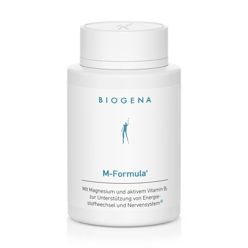
M-Formula®
Conclusion: In a world that constantly challenges our mental strength, specific micronutrients and plant extracts can be valuable allies. They support your well-being, help you cope with stress, and strengthen your inner balance. Small nutrient boosters—big impact on your mental resilience!
Sources:
Tarty, A.-L. et al. 2020. Vitamins and Minerals for Energy, Fatigue and Cognition: A Narrative Review of the Biochemical and Clinical Evidence. Nutrients. 2020 Jan 16;12(1):228. doi: 10.3390/nu12010228. https://pmc.ncbi.nlm.nih.gov/articles/PMC7019700/#sec8-nutrients-12-00228
Fontani, G. et al. 2005. Cognitive and physiological effects of omega-3 polyunsaturated fatty acid supplementation in healthy subjects. Eur J Clin Invest. 35(11):691-9. https://pubmed.ncbi.nlm.nih.gov/16269019/
Sarris, J. et al. 2021. Potential mental and physical benefits of supplementation with a high-dose, B-complex multivitamin/mineral supplement: What is the evidence? Nutr Hosp. 2021 Dec 9;38(6):1277-1286. doi: 10.20960/nh.03631. https://pubmed.ncbi.nlm.nih.gov/34530623/
Ekinici G. N., Sanlier N. 2023. The relationship between nutrition and depression in the life process: A mini-review. Exp Gerontol. 2023 Feb:172:112072. doi: 10.1016/j.exger.2022.112072. Epub 2022 Dec 21. https://pubmed.ncbi.nlm.nih.gov/36565729/
Liao Y, et al. 2019. Efficacy of omega-3 PUFAs in depression: A meta-analysis. Transl Psychiatry. 2019 Aug 5;9(1):190. doi: 10.1038/s41398-019-0515-5. https://pubmed.ncbi.nlm.nih.gov/31383846/
Bannai, M. et al. 2012. The effects of glycine on subjective daytime performance in partially sleep-restricted healthy volunteers. Front Neurol. 3:61. https://pubmed.ncbi.nlm.nih.gov/22529837/
Bravo, R. et al. 2013. Tryptophan-enriched cereal intake improves nocturnal sleep, melatonin, serotonin, and total antioxidant capacity levels and mood in elderly humans. Age (Dordr.). 35(4):1277–85. https://pubmed.ncbi.nlm.nih.gov/22622709/
Franco, L. et al. 2012. The sedative effect of non-alcoholic beer in healthy female nurses. PLoS One. 7(7):e37290. https://pubmed.ncbi.nlm.nih.gov/22815680/
Boyle NB. et al. 2017. The Effects of Magnesium Supplementation on Subjective Anxiety and Stress – A Systematic Review. Nutrients 2017; 9(5):429. https://pubmed.ncbi.nlm.nih.gov/28445426/
Wal, P., Wal, A. 2013. An Overview of Adaptogens with a Special Emphasis on Withania and Rhodiola. In: Nutrition and Enhanced Sports Performance – Muscle Building, Endurance and Strength. Kapitel 34: 343–50. Elsevier-Verlag.
Hahn, A. Nahrungsergänzungsmittel und bilanzierte Diäten, 2. Auflage. Stuttgart: Wissenschaftliche Verlagsgesellschaft, 2006.
Schmidbauer C., Hofstätter G., et al. 2020. Biogena Mikronährstoff-Coach. 4. aktualisierte und erweiterte Auflage, 1158 Seiten.
Boehnke, C. et al. 2004. High-dose riboflavin treatment is efficacious in migraine prophylaxis: an open study in a tertiary care centre. Eur J Neurol. 11(7):475–7. https://pubmed.ncbi.nlm.nih.gov/15257686/
Colombo, B. et al. 2014. Riboflavin and migraine: the bridge over troubled mitochondria. Neurol Sci. 35(Suppl 1):141–4. https://pubmed.ncbi.nlm.nih.gov/24867851/
Hershey, A. D. et al. 2007. Coenzyme Q10 deficiency and response to supplementation in pediatric and adolescent migraine. Headache. 47(1):73–80. https://pubmed.ncbi.nlm.nih.gov/17355497/
Chiu, H. Y. et al. 2016. Effects of Intravenous and Oral Magnesium on Reducing Migraine: A Meta-analysis of Randomized Controlled Trials. Pain Physician. 19(1):E97–112. https://pubmed.ncbi.nlm.nih.gov/26752497/
Gaul, C. et al. 2015. Improvement of migraine symptoms with a proprietary supplement containing riboflavin, magnesium and Q10: a randomized, placebo-controlled, double-blind, multicenter trial. J Headache Pain. 16:516. https://pubmed.ncbi.nlm.nih.gov/25916335/
Mottaghi, T. et al. 2015. Effect of Vitamin D supplementation on symptoms and C-reactive protein in migraine patients. J Res Med Sci. 20(5):477–82. https://pubmed.ncbi.nlm.nih.gov/26487877/
Sign up for our newsletter and get a €10 voucher
Sign up for our newsletter, receive your personal €10 voucher and look forward to exciting insights into the latest product innovations, giveaways and health tips – so you'll be well accompanied on your journey to well-being.