

:quality(70))
01
Muscle loss in old age: The future lies in our muscles
Staying mobile, being spontaneous, shaping our daily lives on our own terms – much of what we hope for in the future is closely linked to our muscles. After all, muscles do far more than just move our bodies: they help to maintain our independence and quality of life.
However, as we get older, our muscles also change. Muscle mass and muscle strength can gradually decline – a process known as sarcopenia. As this process usually takes place gradually, it often goes unnoticed for a long time. It frequently only becomes noticeable when everyday tasks require more effort. Walking to the bus stop, carrying a shopping bag or getting up from the sofa – many things we take for granted depend directly on well-maintained muscles.
What does sarcopenia mean?
Sarcopenia describes the age-related loss of muscle mass, muscle strength and physical performance. The current definition by the European expert group EWGSOP2 focuses primarily on muscle strength, as this is crucial for coping with everyday life.
Can I walk safely?
Can I climb a step?
Can I break my fall?
Can I stand up unaided?
Can I manage my daily life independently?
Because ultimately, it’s not how we look that counts – but what our muscles can do for us.
02
Causes of muscle loss in old age
Muscle loss (sarcopenia) does not usually happen overnight. Rather, it develops gradually over many years and therefore often goes unnoticed for a long time. There is rarely just a single cause behind it. Instead, various factors interlock like cogs in a wheel and influence how well our muscles are maintained over the course of our lives.
These include:
1. Natural ageing processes
Ageing brings change – including to our muscles. Muscle mass begins to decline slowly from the age of 30. At the same time, the body becomes less efficient at building new muscle proteins and regenerating muscle tissue.
To put it figuratively: the body’s own ‘muscle workshop’ remains open – but over the years it works a little more slowly than it used to.
2. Lack of exercise
Muscles are remarkably adaptable. They adjust to what is required in everyday life.
If there is a prolonged lack of physical activity, the body reacts accordingly and breaks down muscle mass. Periods of physical inactivity in particular – such as following illness or injury, but also a predominantly sedentary lifestyle – can accelerate this process.
A simple principle applies here: muscles want to be used. Every walk, every flight of stairs and every targeted strength exercise sends a clear signal to the body: these muscles are still needed. Many small stimuli thus add up to make a significant contribution to strength, mobility and quality of life.
3. Changes in hormone levels and medical conditions
Inside the body, too, many changes take place over the years. Hormonal balance shifts, and the levels of various hormones involved in building and maintaining muscle gradually decline.
In addition, chronic conditions such as diabetes mellitus, cardiovascular disease or age-related inflammatory processes can place a strain on the muscles. As a result, the body finds it harder to maintain muscle mass and strength in the long term.
These changes are part of the natural ageing process and demonstrate that muscle loss is often the result of several factors acting together.
4. Inadequate protein intake
When you think of muscles, you should also think of protein. Exercise alone is not enough. In order to maintain and build muscle, the body needs the right building blocks. Protein provides exactly that.
However, as we get older, the way our muscles respond to training and nutritional stimuli changes. Many people also eat less, have a reduced appetite or, overall, consume too little high-quality protein. At the same time, the importance of ensuring an adequate protein intake increases.
You could say: Muscles need both – a clear training stimulus and the building blocks to respond to it. Only the combination of exercise and protein creates the foundation for maintaining muscle mass and strength for as long as possible.
5. Nutritional deficiencies
As well as protein, the muscles also require an adequate supply of micronutrients. If the body is deprived of important nutrients over a prolonged period, this can also affect muscle health and normal muscle function.
Relevant micronutrients include, amongst others, vitamin D, magnesium and zinc. They perform various functions in the body and help to support important processes relating to the muscles. For example, vitamin D helps to maintain normal muscle function; magnesium plays a role in normal muscle function and electrolyte balance; whilst zinc, amongst other things, contributes to normal protein synthesis.
In addition to regular exercise and an adequate protein intake, an adequate supply of micronutrients is therefore one of the key factors in maintaining muscle mass.
03
Symptoms of muscle wasting in old age
Whilst grey hair or wrinkles usually catch the eye straight away, muscle loss often goes unnoticed for a long time. This is because sarcopenia does not necessarily show up in the mirror, but is frequently evident in the small moments of everyday life.
Typical signs may include:
Difficulty climbing stairs or getting up
Faster physical exhaustion
Reduced walking speed
Declining muscle strength
Balance problems
Increased risk of falling
Visible loss of muscle mass
Anyone who notices such changes in themselves should seek medical advice. The sooner possible causes are identified, the better measures can be taken to maintain muscle strength and mobility for as long as possible – and thus lay the foundations for an active, independent life.
04
Here’s what you can do to prevent muscle loss as you get older
Perhaps this is the most inspiring message from muscle science: Our future is not solely a question of age. Even in old age, muscles can respond to exercise, training and the right nutrients (Fiatarone et al. 1994).
Although the ageing process cannot be stopped, there is a great deal we can do to support our muscles. The following six building blocks show what is important in this regard.
05
6 key elements for strong muscles in old age
1. Regular strength training
If muscles had a native language, it would be ‘resistance’.
Strength training provides targeted stimulation and reminds the body what it is meant to do: carry, stand up, stabilise and move. Every training session sends the signal: these muscles are needed.
It doesn’t necessarily have to involve heavy weights. Exercises using your own body weight, resistance bands or strength training equipment can also be effective. Just two to three training sessions a week can make a valuable contribution.
What matters isn’t perfection, but consistency.
2. Exercise in everyday life
Strength training is important – but the many small movements of everyday life count too. Every activity sends a signal to the body that muscle strength is still needed.
A walk after lunch
Taking the stairs instead of the lift
Gardening at the weekend
Cycling to your destination
It is often precisely these habits that add up over weeks and months. Step by step, this builds an important foundation for mobility, safety and an active everyday life.
3. Recovery: The underrated training partner
Muscles need not only exercise, but also rest. This is because the actual adaptation processes do not take place during training, but during the recovery phases afterwards.
Important repair and regeneration processes take place whilst you sleep. Getting enough sleep helps the body adapt to physical stress and maintain muscle tissue in the long term.
That is why exercise and recovery always go hand in hand – like two sides of the same coin.
4. Ensure you get enough protein
Exercise provides the stimulus – protein supplies the building blocks.
In order to maintain and build muscle tissue, the body needs sufficient protein. Without this building material, the muscles find it harder to respond to training stimuli.
Good sources of protein include, for example:
Pulses
Tofu and other soya products
Nuts and seeds
Fish
Eggs
Meat
It’s particularly important as you get older to ensure a regular intake of protein spread throughout the day. After all, muscles don’t just need exercise – they also need the right building blocks.
Not every day goes to plan. Sometimes you don’t have time for a balanced meal; sometimes you’ve lost your appetite. It’s precisely for moments like these that a simple protein boost can be helpful in everyday life.

Vegan Protein CS 198/18 MRP
5. Don’t forget vitamin D
Muscles do not work on their own. Together with our bones, they ensure that we can move, remain stable and lead an active everyday life.
One nutrient plays a particularly important role in this interaction: vitamin D. It helps maintain normal muscle function and healthy bones. However, lower vitamin D levels are not uncommon, particularly in older people – partly because time spent outdoors often decreases and the body’s own production of vitamin D declines.
That is why a simple principle of modern preventative healthcare is becoming increasingly important: measure, understand, supplement as needed. Knowing your vitamin D status allows you to better assess your individual needs and make informed decisions.
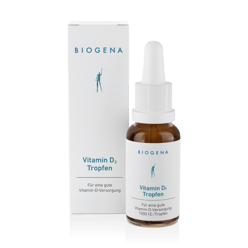
Vitamin D3 drops
6. Keep an eye on other relevant micronutrients
Muscle health is not achieved through a single nutrient. Rather, it is the result of a well-balanced interaction between various micronutrients.
These include, amongst others, magnesium, B vitamins and zinc, which are involved in key processes relating to energy metabolism, muscle function and protein metabolism. Antioxidant micronutrients such as vitamin C, vitamin E and selenium are also increasingly being considered in relation to the nutritional needs of ageing muscle cells.
It is therefore worth taking a holistic view of muscle health. Alongside exercise, protein and vitamin D, an adequate intake of micronutrients forms an important foundation for ensuring that the muscles can fulfil their many functions day after day.
06
Conclusion: Strong muscles, strong future
Perhaps that is precisely the most important message: Strong muscles mean far more than just physical strength. They help us to stay active, overcome the challenges of everyday life and shape our lives as we see fit for as long as possible. Every movement, every training session and every conscious decision to look after our muscle health is therefore an investment in our freedom tomorrow.
:quality(70))
:quality(70))
:quality(70))
:quality(70))
:quality(70))
:quality(70))
:quality(70))
:quality(70))
:quality(70))