

Supplements for gut health, stomach and digestion
Your digestive system works hard every day – from nutrient absorption to defending against unwanted intruders. To keep it running smoothly, it needs the right balance of nutrients. Discover which vitamins, minerals, and more are essential for keeping everything in check!
Filters & Sorting
- New
Biogena Essentials
Omni Lactis® Butyrate 500High-quality butyric acid in a stable calcium form
€822.50 / kg€32.90 
Biogena Essentials
Buffered Vitamin C 750 mg C-L-ABuffered Vitamin C – high-dose & gentle on the immune system
€429.07 / kg€36.90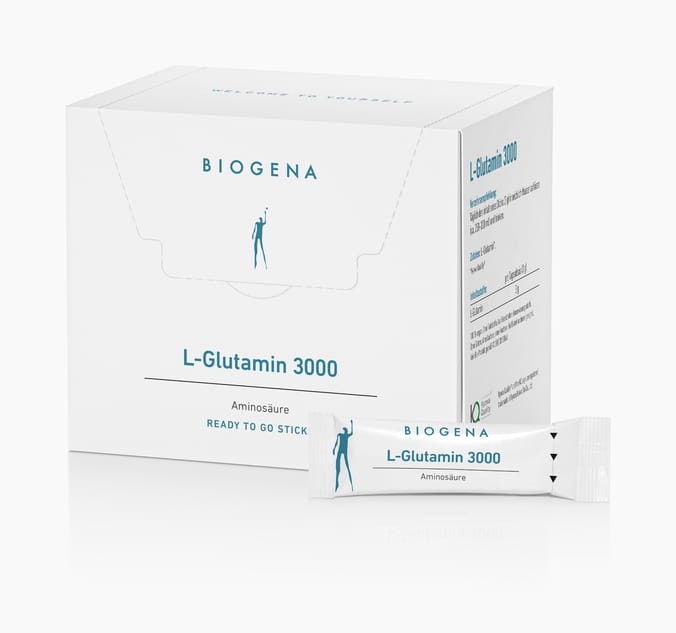
Biogena Essentials
L-Glutamine 3000READY TO GO sticks with the amino acid L-glutamine
€354.44 / kg€31.90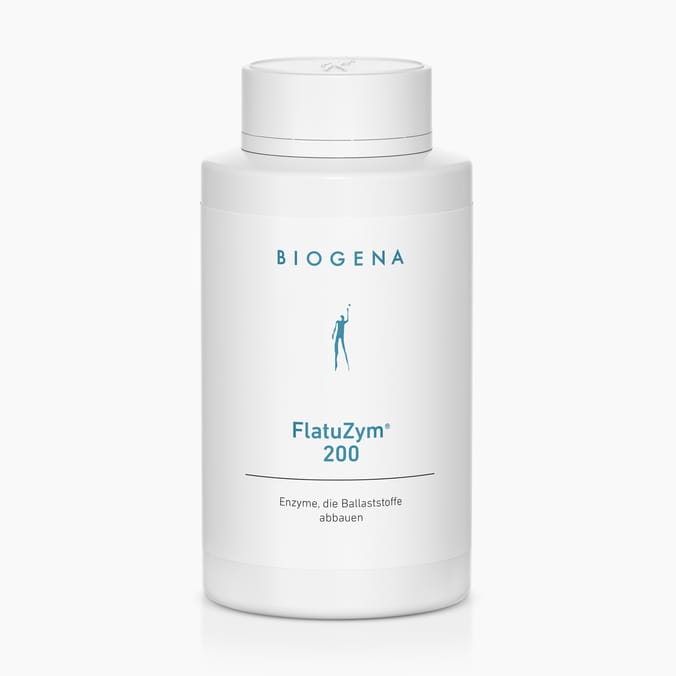
Biogena Essentials
FlatuZym® 200Enzyme blend that complements itself in the breakdown of dietary fiber
€834.43 / kg€50.90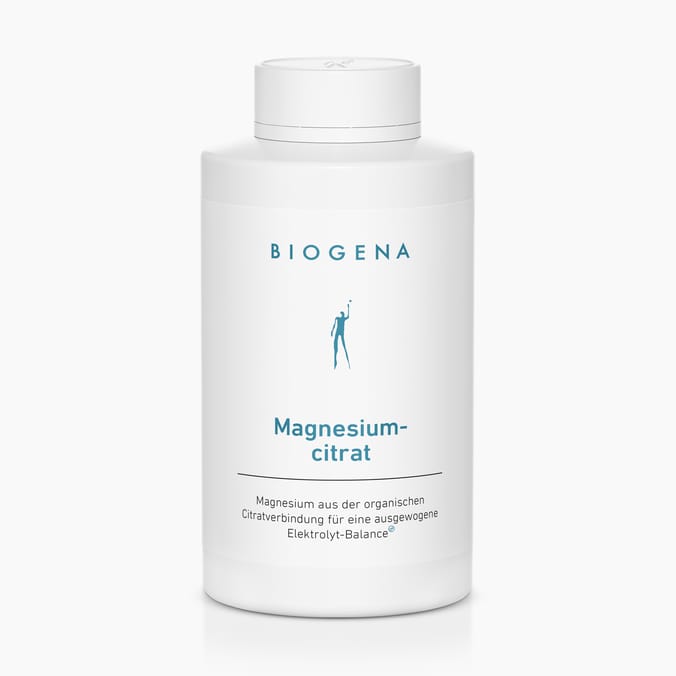
Biogena Essentials
Magnesium citrateMagnesium citrate for muscles, nerves, and energy
€332.05 / kg€25.90
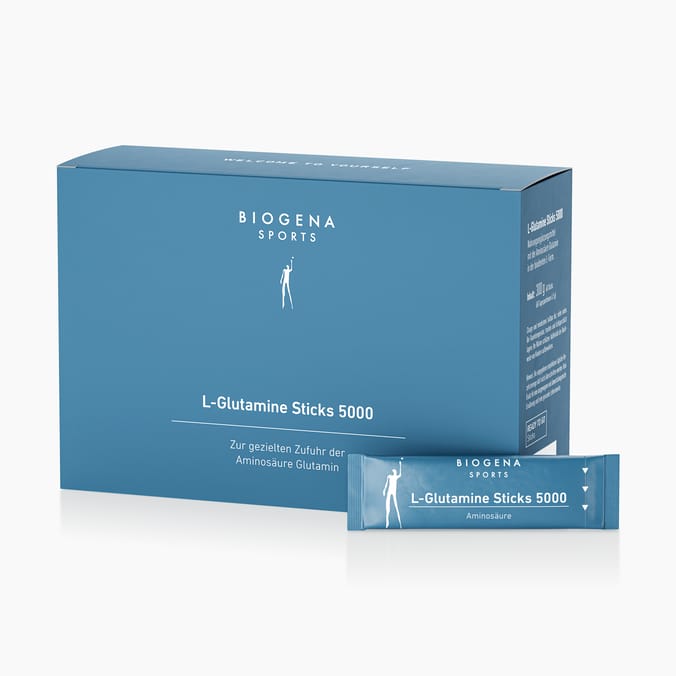
Biogena SPORTS
L-Glutamine Sticks 5000L-Glutamine Powder – for targeted supply of the proteinogenic amino acid glutamine
€203.00 / kg€60.90
Did you know that around 100 trillion bacteria are working around the clock in your gut? And it’s about so much more than just digestion. Your gut influences your well-being on many levels – it’s truly a powerhouse organ! It’s high time you give it the attention it deserves.
In the beginning there was the gut – A look at history & function
The stomach – The true powerhouse of digestion
Before nutrients are absorbed in the small intestine, the stomach does the heavy lifting. Here, your food is broken down into its components by powerful digestive juices and enzymes. The stomach works like a blender, thoroughly mixing everything before passing it in perfect portions to the small intestine. Not only does it prepare your food for the next step in digestion, but it also protects you from unwanted germs. A true multitasker in your digestive system!
Small Intestine Function – The real hero of nutrient absorption
This is where the magic of digestion happens. After digestive juices have done their job, essential micro- and macronutrients are absorbed into your body.
Nature has come up with a brilliant trick for efficient nutrient absorption: the inner wall of the small intestine isn’t just smooth, but divided into millions of tiny folds called villi. And as if that weren’t enough, these villi are covered in microscopic microvilli, which further increase the surface area. Altogether, this gives you a surface area of about 250 m² – almost the size of a tennis court! Perfect for transporting nutrients into your bloodstream and lymphatic system.
The Large Intestine – The heart of your gut flora
While the small intestine handles nutrient absorption, the large intestine has a different but equally vital task. It’s the home of your gut flora – an incredible community of trillions of bacteria that convert the last remnants of food into stool by fermenting undigested parts.
But that’s not all: the large intestine also plays a key role in fluid balance, reabsorbing water from the food mass and returning it to the bloodstream. Specialized goblet cells ensure enough mucus is produced to keep the stool moving smoothly. The “end product” that leaves your body is made up of about 75% water, with the rest consisting of fats, cellulose, tissue residues, and, of course, a variety of gut bacteria.
The “Gut Brain” – Your second control centre
Long before we even had a brain, the gut was already equipped with nerve cells. Today, your gut brain contains about 100 to 200 million nerve cells, which independently regulate digestion. So, your gut doesn’t just control your “gut feeling,” but also communicates closely with your brain. Discover more about this fascinating connection in our blog post “The Gut-Brain Axis.”
Important vitamins & minerals for your stomach, gut, and digestion
Particularly important are vitamins and minerals that contribute to cell division and the maintenance of mucous membranes, such as Vitamin A and some B-complex vitamins, as well as Vitamin C, zinc, and selenium.
Vitamin D – The sunshine vitamin for your gut barrier
Vitamin D can positively influence your gut microbiome and helps maintain the stability of your gut barrier. It also has anti-inflammatory properties, especially relevant for those with chronic inflammatory bowel diseases, where Vitamin D levels are often low.
Vitamin A – The hero for skin, mucous membranes, & gut
Vitamin A is a true all-rounder when it comes to your metabolism. It’s particularly important for your skin, mucous membranes, and, of course, your gut. A well-nourished intestinal lining ensures a strong barrier and a balanced internal environment. Your body will thank you!
Calcium – Support for digestive enzymes
Calcium is important for more than just your bones! It activates digestive enzymes like amylase for carbohydrate breakdown and lipases for fat digestion. A good calcium supply also supports your digestive performance.
More nutrients & plant extracts for your digestive system
L-Glutamine – An energy source for your gut lining
This amino acid is essential for rapidly dividing cells, including those of your gut lining and immune system. Glutamine supports the stability of the gut barrier and strengthens the gut-associated immune system. It’s also a crucial building block for glutathione, one of your body’s most powerful antioxidants. By the way, your need for glutamine increases in stressful times or during intense physical exertion!
Probiotics – Your allies for a balanced gut flora
Your gut is home to countless microorganisms, some of which are true feel-good heroes! Probiotics are live, beneficial bacteria that support the natural balance of your gut flora. They help with digestion and play a vital role in your immune system. After antibiotics or with irritable bowel syndrome, targeted probiotic supplementation can help restore your inner balance.
Fiber – Power for your digestion
Although they are indigestible to the body, fiber is incredibly valuable for digestion. They increase the volume of the food mass and put pressure on the intestinal wall – this stimulates natural bowel movement and ensures your digestion runs smoothly. Especially helpful for those dealing with sluggish digestion! But that’s not all: certain fibers are the perfect food for your gut bacteria, which produce valuable short-chain fatty acids from them. These, in turn, support the gut lining – a true win-win for your gut!
Boswellia – Natural support for inflammation
Boswellia has been valued for centuries and is now scientifically recognized for its anti-inflammatory properties. It shows great potential for chronic inflammatory conditions and plays a valuable role in gut health.
Curcuma – Nature’s gold for your gut
Turmeric, a classic in Ayurvedic medicine, is highly valued in modern science for its anti-inflammatory, antioxidant, and immune-modulating properties – perfect for a sensitive or irritated gut.
Omega-3 Fatty Acids – Naturally balancing inflammation in the gut
The fatty acids EPA and DHA are known for their anti-inflammatory properties. They can also provide valuable support for your digestive tract.
Enzymes – The invisible helpers of your digestion
Without enzymes, nothing works: digestive enzymes break down food into tiny components so your body can use them. Especially when your digestion doesn’t seem to be working optimally, enzyme supplements can be helpful – from plant-based bromelain to pancreatin.
Bitters – Support for your stomach & gallbladder
Plants with bitter substances, like artichoke, have a long tradition of aiding digestion. They stimulate the production of digestive juices and promote your natural bowel movement.
Herbal support for your digestive system
Whether it’s ginger for its stomach-friendly properties, chamomile for soothing the digestive tract, or gentian to get the digestive juices flowing – nature is full of treasures that benefit your digestion. Fennel is known for its antispasmodic and bloating-relieving effects, while licorice not only tastes sweet but also protects the stomach lining. Together, these herbs support your gut feeling, relieve bloating and fullness, and contribute to your overall well-being – naturally.
What helps with diarrhea?
Stress, food intolerances, infections, an imbalanced gut flora, or irritable bowel syndrome – there are many reasons why your gut may go off-track. But the more you understand the cause, the better you can act.
Certain supplements can specifically support your digestive system and help restore balance in the gut. These include:
Colostrum – The Power of First Milk
Colostrum is rich in immunoglobulins that not only support the body’s defense but can also curb the growth of diarrhea-causing bacteria. No wonder it’s well-documented as a natural protective factor against various causes of diarrhea.Probiotic Bacteria – Protection for Your Gut Flora
Targeted probiotic strains help keep unwanted germs in check and support the balance of your gut flora. They show positive effects for general diarrhea, as well as virus- or antibiotic-related diarrhea in both adults and children.Fiber – Natural Support with Binding Power
Soluble fibers like pectins can bind excess fluid in the gut, providing a regulating effect. Special fiber supplements offer a targeted way to gently stabilize your gut and support its natural rhythm.
When diarrhea persists – Listen to your gut feeling
If diarrhea lasts longer, it can disrupt your well-being, gut balance, and nutrient absorption. It’s important to take a closer look: Seek professional advice, have your micronutrient levels checked, and specifically support your gut flora and barrier. Your gut feeling will thank you!
Healthy Gut, Healthy You: 4 Tips for a Healthy Gut
Your gut plays a key role in your well-being – and you can actively support it! With the right diet, regular exercise, and targeted nutrient intake, you can create optimal conditions for your digestion and gut flora.
1. Gut-friendly diet & valuable nutrients:
What does your gut love? Variety! A gut-friendly diet focuses on unprocessed, organic, plant-based, and local foods. It provides essential nutrients, secondary plant compounds, and valuable fibers that nourish and balance your gut flora.
2. Keep your micronutrient supply in check
If your digestive system isn’t functioning optimally, the absorption of important vitamins and minerals may be impaired. Trace elements like zinc and selenium or the antioxidant Vitamin C can specifically support you. And if you take “stomach protectors” (proton pump inhibitors), you should pay extra attention to Vitamin B12, magnesium, iron, and calcium – otherwise, your body could fall into a deficiency.
3. Magnesium for constipation
If you struggle with slow digestion: Magnesium – especially in the form of magnesium citrate – can help! At the right dosage, it has an osmotic effect, pulling water into the intestines and easing bowel movements.
4. Exercise - the fitness program for your gut
Exercise keeps both you and your gut in motion. Regular physical activity improves gut circulation, activates intestinal motility, and accelerates the transport of food. This prevents unwanted substances from staying in the body too long.
At least 30 minutes of daily movement stimulates digestion.
Moderate exercise enhances circulation and supports gut activity.
Studies show: Exercise increases microbial diversity in the gut and boosts the production of important metabolic products like butyrate.
A healthy gut needs balance – in diet, lifestyle, and exercise. Want to learn more about active gut care? Check out our tips in the following article!
BIOGENA Supplements – Your Choice for Gut Health & Digestion
Our specially developed supplements for the stomach, gut, and digestion come in practical capsules, powders, or drops – tailored to your individual needs.
Our gut capsules compared
Your gut performs at its best every day – it's time to support it optimally!
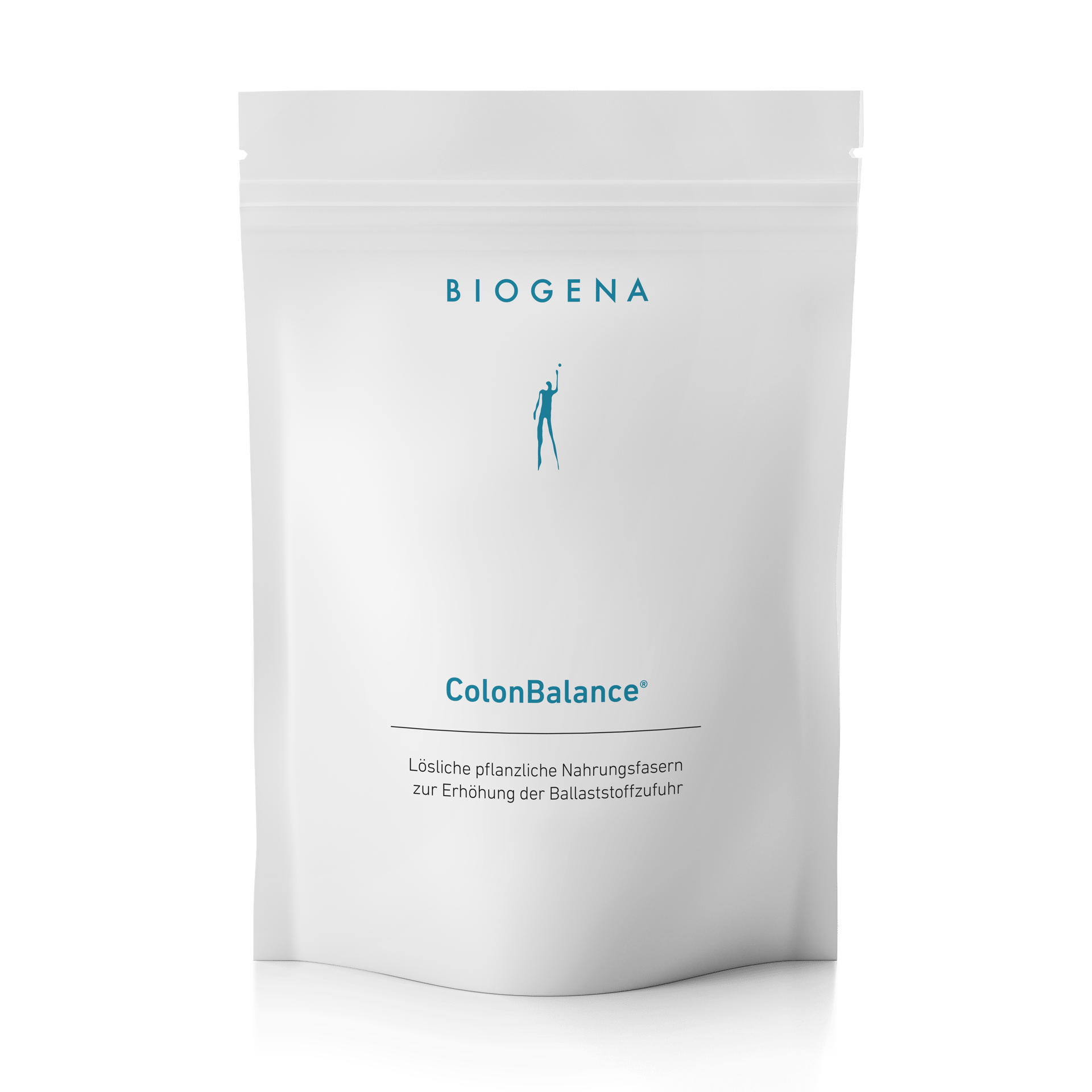 | 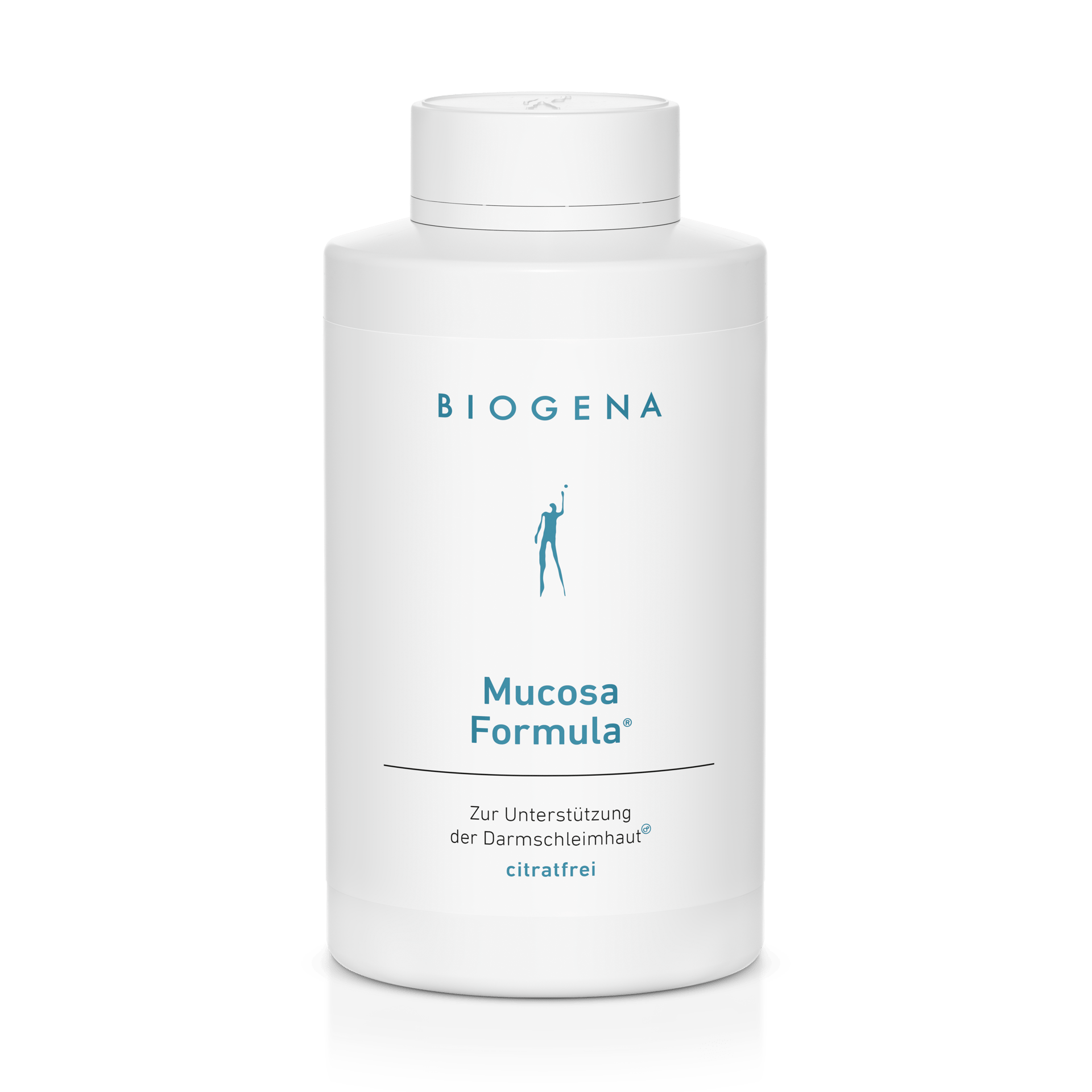 | 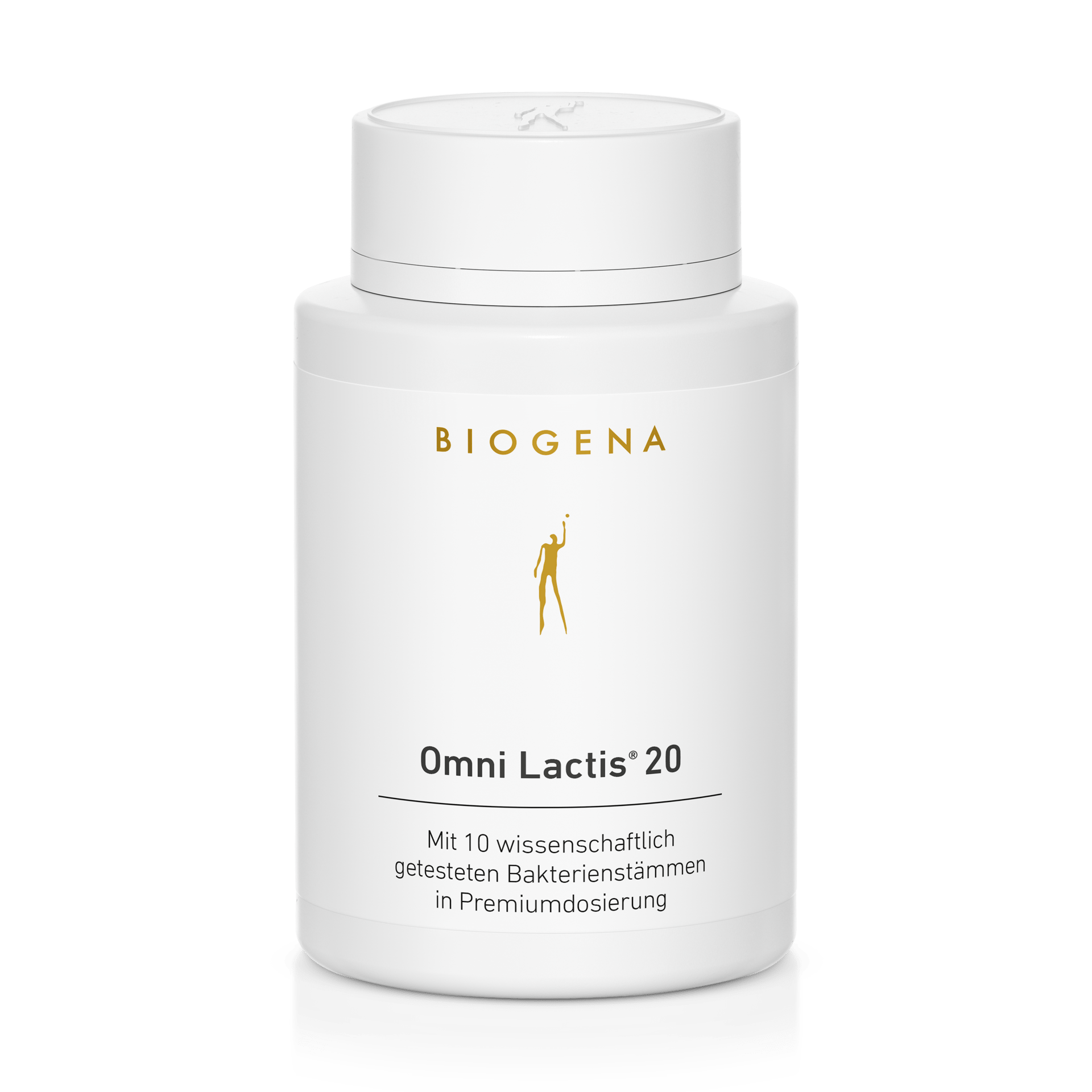 | |
| Price | |||
| €47.90 | €46.90 | €58.90 | |
| Info | |||
Study-tested fiber powder with a high content of plant-based fibers. | Combination supplement with all essential nutrients for your gut lining. | High-dose gut bacteria from Lactobacillus and Bifidobacterium with 20 billion viable bacteria per daily dose. | |
| Applications | |||
|
|
| |
| Ingredients | |||
|
|
| |
Give your gut lining and intestines exactly what they need – with BIOGENA’s products!
FAQs
FAQ – Your Questions, Our Answers
Further reading
Gröber U. 2011. Mikronährstoffe. Metabolic Tuning - Prävention -Therapie. Wissenschaftliche Verlagsgesellschaft Stuttgart. 3. Aufl.
Ulitsky, A. et al. 2011. Vitamin D Deficiency in Patients with Inflammatory Bowel Disease: Association with Disease Activity and Quality of Life. Journal of Parenteral and Enteral Nutrition. 35(3):308-316. https://pubmed.ncbi.nlm.nih.gov/21527593/
Hwang, C., Ross, V., Mahadevan, U. 2012. Micronutrient Deficiencies in In flammatory Bowel Disease: From A to Zinc. Inflamm Bowel Dis. 18:1961- 1981. https://pubmed.ncbi.nlm.nih.gov/22488830/
Sebai, H. et al. 2014. Antidiarrheal and antioxidant activities of chamomile (Matricaria recutita L.) decoction extracts in rats. Journal of Ethnopharmacology. 152:327-332. https://pubmed.ncbi.nlm.nih.gov/24463157/
Dos Santos, R. D. et al. 2010. Glutamine supplementation decreases intestinal permeability and preserves gut mucosa integrity in an experimental mouse model. J Parenter Enteral Nutr. 34(4):408–13. https://pubmed.ncbi.nlm.nih.gov/20631386/
Wagner, H., Wiesenauer, M. Phytotherapie: Phytopharmaka und pflanzliche Homöopathika, 2. Auflage. Stuttgart: Wissenschaftliche Verlagsgesellschaft. 2003.
Gerhardt, H. et al. 2001. Therapie des aktiven Morbus Crohn mit dem Boswellia-serrata-Extrakt H 15. Z Gastroenterol. 39(1):11–7 https://pubmed.ncbi.nlm.nih.gov/11215357/
Gupta, I. et al. 2001. Effects of gum resin of Boswellia serrata in patients with chronic colitis. Planta Med. 67(5):391–5 https://pubmed.ncbi.nlm.nih.gov/11488449/
Anthoni, C. et al. 2006 Mechanisms underlying the anti-inflammatory actions of boswellic acid derivatives in experimental colitis. Am J Physiol Gastrointest Liver Physiol. 290(6):G1131–7. https://pubmed.ncbi.nlm.nih.gov/16423918/
Menon, V. P., Sudheer, A. R. 2007. Antioxidant and anti-inflammatory properties of curcumin. Adv Exp Med Biol. 595:105-25. https://pubmed.ncbi.nlm.nih.gov/17569207/
Yates, C. M. et al.2014. Pharmacology and therapeutics of omega-3 polyunsaturated fatty acids in chronic inflammatory disease. Pharmacol Ther. 141(3):272–82. https://pubmed.ncbi.nlm.nih.gov/24201219/
Francavilla, R. et al. 2014. Lactobacillus reuteri strain combination in Helicobacter pylori infection: a randomized, double-blind, placebo-controlled study. J Clin Gastroenterol. 48(5):407-13. https://pubmed.ncbi.nlm.nih.gov/24296423/
Mehling, H., Busjahn, A. 2013. Non-viable Lactobacillus reuteri DSMZ 17648 (Pylopass) as a new approach to Helicobacter pylori control in humans. Nutrients. 5(8):3062-73. https://pubmed.ncbi.nlm.nih.gov/23917169/
Anderson, J. W. et al. 2009. Health benefits of dietary fiber. Nutr Rev. 67(4):188-205. https://pubmed.ncbi.nlm.nih.gov/19335713/
Sign up for our newsletter and get a €10 voucher
Sign up for our newsletter, receive your personal €10 voucher and look forward to exciting insights into the latest product innovations, giveaways and health tips – so you'll be well accompanied on your journey to well-being.