

:quality(70))
01
Adenosine triphosphate (ATP) – what is it?
Let's first take a look at its structure. Adenosine, a molecule produced naturally in the body, and three phosphate groups, which are important minerals, combine to form the substance we want to tell you more about: adenosine triphosphate (ATP). This compound is essential for your survival. And the rule is: the more you have, the better. In other words, if you have a lot of ATP available, your entire organism benefits from this energy. Conversely, however, this also means that if your cells have to make do with only a little ATP, your strength will decline. It therefore makes sense to always keep an eye on your adenosine triphosphate balance so that no deficiency develops.
02
Why your body needs adenosine triphosphate (ATP): benefits & effects
Without adenosine triphosphate, there would be no energy – that's how you could roughly summarise it, because every single cell in your body draws its energy from this molecular complex. The following areas, for example, depend on it:
Muscles: Your muscle corset cannot function without ATP drive, and you would not be as mobile as you are.
Metabolism: Adenosine triphosphate provides energy for various biochemical processes and therefore plays a central role in metabolism.
Cell renewal: Without ATP, your body would not be able to build new cell structures.
Digestion: Your digestion requires energy for all the mechanical processes necessary to process food and supply your body with nutrients.
Concentration: ATP is important for signal transmission in nerve cells – too little of it can impair your mental fitness.
03
How adenosine triphosphate (ATP) is produced and what role mitochondria play
The production of ATP takes place primarily in the mitochondria. These are cell components that are also referred to as the ‘powerhouses of your body’ because their main task is to produce energy. Every cell consists of thousands of them.
This is where glucose and oxygen are broken down into carbon dioxide and water during cellular respiration. During this process, energy is produced in the form of adenosine triphosphate. This is where enzymes come into play: they convert the ATP into adenosine diphosphate (ADP) and free phosphate, releasing energy that mainly benefits the muscles. Finally, ADP must be converted back into ATP. A cycle is created. However, this dynamic process only works if your body has sufficient nutrients available for this purpose – it stores these within the ATP molecules until the cells actually need to use them.
Sounds good, right? Well, the catch is that ATP is used up extremely quickly, so you can't stockpile it.
04
How the body rapidly (re)produces adenosine triphosphate (ATP)
Therefore: reproduce adenosine triphosphate as quickly as possible. And your body does this in three ways during physical activity, depending on whether it needs energy for the short or long term:
Creatine phosphate: For very short bursts of exertion, your body draws on creatine phosphate. This is found in your muscle cells and quickly converts ADP into ATP. The more you have, the better.
Glycolysis: If the activity lasts a few minutes, your body begins to break down carbohydrates in the muscle cells, splitting glucose molecules in the process. This process also produces ATP.
Aerobic energy production: For activities lasting longer than two minutes, your body switches to aerobic energy production, for which it needs oxygen. This allows it to produce a particularly large amount of ATP. That is why endurance training is considered an effective method of increasing energy levels – but more on that later.
05
The influence of ATP on the mitochondria
Mitochondria play a second crucial role, as the number of these tiny powerhouses in the body varies. This means that they can both multiply and decrease in number, depending on your energy expenditure. In other words, people who constantly challenge their body and mind can usually draw on many of these tiny powerhouses, thereby benefiting from a more effective ATP cycle. People who are generally inactive, on the other hand, run the risk of their bodies breaking down mitochondria, which leads to a drop in energy levels.
06
Symptoms of ATP deficiency or low mitochondrial count
Those who have low levels of adenosine triphosphate (ATP) in their bodies or have to cope with a low number of mitochondria will primarily experience energy loss. An adenosine triphosphate deficiency can therefore lead to the following symptoms in particular:
Fatigue
Exhaustion
General malaise
Muscle weakness and cramps
Muscle pain
Difficulty concentrating
Memory problems
Headaches
Coordination problems
Heart rhythm disturbances
Digestive problems
Susceptibility to infections
07
Remedy deficiency: How you can support your body's ATP production
How can you effectively remedy such an adenosine triphosphate deficiency and help your body produce more ATP and mitochondria? The following tips will help you succeed:
Nutrition: The more valuable nutrients you give your body, the better your energy conversion will be. Therefore, make sure you eat regular meals and follow a balanced diet. Include sufficient protein, high-quality fats and oils, as well as calcium, magnesium, phosphorus and vitamin D in your diet. Carbohydrates should be as long-chain as possible.
Fasting: For example, if you establish 1–2 fasting days per week or opt for intermittent fasting, you can not only lose weight and slow down the ageing process, but also increase your energy levels.
IHHT Training:
IHHT Training: IHHT is a method in which oxygen is withdrawn from your body at defined intervals and then supplied again in increased amounts. This stimulates the metabolism, supports cell regeneration and strengthens the lungs. It also stimulates your body's oxygen utilisation and can lead to an increase in performance. Your mitochondria also benefit from all of this.
:quality(70))
Cold thermogenesis: Although cold is usually unpleasant at first, regular exposure to cold has many long-term benefits: your body has to produce more heat, i.e. energy, to compensate. Many of the associated processes take place in brown adipose tissue, which contains a particularly high number of mitochondria.
Endurance training: You can also increase the number of mitochondria in your muscle fibres through endurance training. Whether you hop on your mountain bike or lace up your running shoes, both activities increase the chance that your brain will also produce more mitochondria.
Dietary supplements: Various dietary supplements not only provide your body with everything it needs, but can also increase your strength – and thus develop more mitochondria.
A real highlight for anyone who enjoys exercise: BIOGENA SPORTS Performance with PEAK ATP®. The clinically tested and patented form of ATP disodium is structurally identical to the body's own ATP – and provides functional energy exactly when you need it: during activity, training or simply in the midst of life.
When it comes to energy at the cellular level, coenzyme Q10 is a real key player. It works in your mitochondria and, as an important component of the so-called respiratory chain, supports the production of ATP. Targeted supplementation can be particularly useful in times of high stress or when natural Q10 levels decline with age.

Performance by Marcel Hirscher
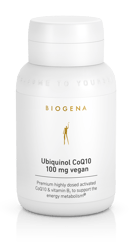
Ubiquinol CoQ10 100 mg vegan Gold
08
Conclusion: Get out of your comfort zone and into the energy swing
Adenosine triphosphate is the main energy store in your cells. And for it to function smoothly, sufficient nutrients are necessary. However, your body only stores vital ATP for a short time, so it is important that it quickly reproduces new ATP and that you provide it with more mitochondria for this purpose. The best way to increase the number of mitochondria is to adopt a healthy lifestyle that includes a balanced diet, endurance training and other stimulating activities. In addition, dietary supplements can be useful.
:quality(70))
:quality(70))
:quality(70))
:quality(70))
:quality(70))
:quality(70))
:quality(70))
:quality(70))
:quality(70))