

:quality(70))
01
Zinc and its influence on the body
Vitamins, minerals, trace elements – your body relies on a wealth of essential nutrients to function properly. The most abundant trace element in terms of quantity is iron. And after that? Zinc comes next! No wonder, as you need this all-rounder not only for your bones, skin and hair, but also for cell division. Zinc also plays a major role in your DNA synthesis, your metabolism, acid-base balance and testosterone levels as well as in your brain and your fertility. And then there’s your immune system – that too cannot function properly without zinc.
02
Zinc and its effect on your immune system
Your immune system and zinc – they’re a perfect match. But why is that? Well, zinc is one of the antioxidants; it helps your immune system to respond quickly and effectively to inflammation and inhibits cold viruses at the same time. It is therefore an important part of your body’s own defence system. In this way, it can not only ward off colds and other illnesses, but also supports your body even when the pathogen has already entered your system.
T-cells play a major role in this. You need these to ensure that viruses, bacteria and the like don’t stand a chance. And zinc is essential here: it influences the maturation and activity of these specific cells. Zinc also gives your memory cells a boost. As a result, the cells recognise pathogens more quickly in the event of renewed infections and can respond reliably. In addition, zinc can reduce oxidative stress, a process that damages your cells and tissues, particularly when you are suffering from an infection.
The bottom line: an adequate supply of zinc is especially important during the cold season to help you get through this period feeling healthy and full of energy.
03
Zinc deficiency: danger for your immune system
Conversely, what happens if you don’t give your body enough zinc? Quite simply: a zinc deficiency can reduce the number of T-cells and thereby weaken your immune system. As a result, your body is no longer as effective at fighting off pathogens, warding off threats and producing antibodies. The result: you catch colds more often and allergies can sometimes be more severe. You may also notice skin changes such as dry patches, redness, blisters or pustules, and wounds heal more slowly.
An overview of the symptoms of a zinc deficiency:
Weakened immune system and poor wound healing
Hair loss, brittle nails and skin inflammation
Changes in sense of smell and taste
Diarrhoea
Hormonal imbalances
Fatigue
Depressive moods
Susceptibility to stress
So make sure it doesn’t come to that. What helps best? The right diet. Because your body cannot produce zinc itself, nor can it store it. So it needs you to provide it regularly.
04
Sources of zinc: Which foods are good for you and your immune system
Zinc is found primarily in animal-based foods. However, there are also plant-based sources. To provide optimal support for your immune system and defences, and to ensure you have sufficient zinc reserves, make sure to include the following foods in your diet:
Meat and offal
Oysters
Dairy products and cheese
Eggs
Fish and seafood
Spinach
Oatmeal
Wholemeal products
Wheat germ
Pulses
Nuts
Despite this wide range of options, it can be difficult to meet your daily zinc requirements for various reasons. For example, plant-based sources of zinc are less easily absorbed due to the ‘anti-nutrient’ phytic acid, which means that people who follow a vegetarian or vegan diet in particular should keep an eye on their zinc intake.
Getting more zinc can also be beneficial if you suffer from eczema, diabetes or acne, or if you are plagued by allergies.
05
Supplementing zinc: How you can support your body
Would you like to give your body an extra boost during the cold and flu season? Then treat yourself to some high-quality dietary supplements. Experts recommend 7–10 mg of zinc per day for women and 11–16 mg for men. You can take zinc in the morning or in the evening, ideally after a meal.
06
Improving zinc absorption: which nutrients are needed?
Things get even more complicated if you pay attention to a few specific substances. This is because there are some substances that can inhibit the absorption of zinc in your body, just as there are others that improve absorption.
You should only consume these inhibiting nutrients in moderate amounts:
Phytates: found in sesame seeds, wholemeal products, nuts and pulses
Phosphates: found in sausages or soft drinks
Oxalates: spinach, Swiss chard and rhubarb contain this acid
Tannins: be careful with wine, coffee, tea and certain nuts
You can happily have a bit more of these beneficial nutrients:
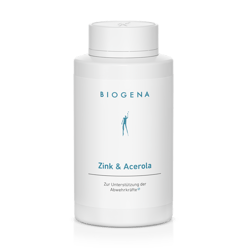
Zinc & Acerola
07
Boosting your immune system: other things you can do
Zinc can therefore provide you with optimal support during the cold and flu season. But that’s by no means all you can do to get through the cold season in good health. A few more tips:
A varied diet: Eat a balanced diet and make sure you’re giving your body all the vitamins it needs.
Active leisure: Make sure you get plenty of exercise to strengthen not only your muscles but also your immune cells.
Restful sleep: While you sleep, your immune system is still hard at work – producing immune cells, learning and growing.
Targeted stimulation: Alternating between hot and cold is good for your body – why not try contrast showers or the sauna?
08
Conclusion
Bacteria, viruses and other pathogens are rife during the cold season. Your immune system? It certainly has its work cut out for it in winter. But you can give it a helping hand – for example, by ensuring your body gets enough zinc. This essential nutrient can not only boost your general well-being and improve the health of your skin, hair and nerves, but also give your immune system a real boost. An effective booster, then, that really packs a punch.
:quality(70))
:quality(70))
:quality(70))
:quality(70))
:quality(70))
:quality(70))
:quality(70))
:quality(70))
:quality(70))