

:quality(70))
01
Causes of zinc deficiency
Zinc deficiency occurs when our bodies lose more zinc over the long term than we can replenish through our diet. This negative balance may primarily be due to insufficient zinc uptake or increased zinc losses.
An overview of the main causes of zinc deficiency:
Diet: Insufficient zinc intake can be caused by a one-sided diet or generally low nutritional intake (e.g. loss of appetite in old age). Vegans are also somewhat worse off in terms of zinc intake. Although plant-based foods (e.g. grains, legumes and nuts) also contain zinc, it is less readily available for our bodies.
Alcohol: Excessive alcohol consumption can lead to increased zinc loss via the urine.
Medicines: Some medicines disrupt zinc levels by impairing zinc uptake or increasing zinc excretion. Drainage agents and certain antibiotics increase zinc losses, for example.
Diseases: Other causes of zinc deficiency can be diseases such as diarrhoea, chronic inflammatory bowel diseases (Crohn's disease, ulcerative colitis) or the rare inherited metabolic disorder enteropathic acrodermatitis. These can lead to impaired zinc uptake.
Diabetics who do not manage their condition well also have a higher risk of developing zinc deficiency. Due to the impaired metabolism, zinc is often less absorbed. In addition, diabetes sufferers increasingly excrete zinc in the urine due to more frequent urination.
02
Symptoms & signs of zinc deficiency
Zinc is involved in many processes in our bodies. So it’s no wonder that a shortage of zinc can cause problems all over the body. The most important symptoms of zinc deficiency include...
On a physical level:
Hair loss
Brittle nails
Skin changes, skin inflammation
Poor wound healing
Disturbances in smell and taste
Diarrhoea
Susceptibility to infections
Hormonal disorders
On a psychological level:
Fatigue
Depression
Deteriorated mental resilience
Good to know!
Since many symptoms of zinc deficiency can also occur in the course of other health problems, zinc deficiency cannot be diagnoses by the symptoms alone.
Enteropathic acrodermatitis: Congenital zinc deficiency syndrome
Acrodermatitis enteropathica is a rare congenital metabolic disease caused by impaired zinc uptake in the intestine. The following symptoms are already present in the first months of life:
Pink eczema around the body orifices as well as on the feet, hands and head
Mucosal changes (e.g. gingivitis)
Hair loss
Susceptibility to infections
Diarrhoea
Disorders within the nervous system
Failure to thrive
03
Zinc deficiency, thyroid and body weight
Zinc is involved in the formation and control of many of the body’s messenger substances. This also includes the thyroid hormones, which act as the body's accelerator pedal. Studies show that people with hypothyroidism often have zinc deficiency.
However, zinc does not only affect the thyroid and the body's metabolism. The trace element also plays a role in appetite control and eating behaviour. A large-scale study in 2020 concluded that zinc could be of interest to both underweight and overweight people. Thus, dialysis patients with unwanted weight loss were able to gain weight by taking zinc, while weight loss was observed in overweight but otherwise healthy people.
04
Test zinc deficiency: Self-test & laboratory blood count
Zinc deficiency self-test
Although the following self-test does not replace blood analysis, it can help to estimate the personal risk of zinc deficiency.
Are you often the first to be plagued by cold and flu symptoms?
Do you suffer from persistent skin problems or blemishes?
Do you have brittle nails or sagging hair?
Do you only perceive smells and tastes as altered or "flat and dull"?
Do you suffer from coeliac disease or other chronic inflammatory bowel diseases (e.g. Crohn's disease, ulcerative colitis)?
Do you have the impression that small skin injuries are healing worse than before?
Do you eat little meat or do you eat predominantly plant-based foods?
Have you had an unfulfilled desire to have children for a long time?
Evaluation:
If you have answered “yes” to one or more of these questions, you should consider a laboratory diagnostic analysis of your zinc level or consult an expert.
Blood values
If possible, zinc should be measured in all of the blood (whole blood analysis). The reason for this is that the trace element in the blood mainly occurs in the red blood cells. In the event of a lack of supply, the organism tries to keep the zinc concentration in the blood serum (= liquid part of the blood) at a stable level for as long as possible by removing the trace element from the red blood cells. This leads to zinc depletion. Since red blood cells are included in a whole blood analysis, this is considered particularly significant for determining zinc status.
Determination method | Reference range |
|---|---|
Zinc in serum | 0,8 – 1,4 mg/l |
Zinc in whole blood | 7,0 – 8,0 mg/l |
05
Eliminate zinc deficiency – what you can do
What should I eat if I have zinc deficiency?
Daily zinc refuelling is required to avoid falling into zinc deficiency. Good zinc sources include meat, cheese, milk and eggs. Plant-based foods also contain zinc. These include legumes and grain products such as amaranth, oats and wheat germs. But nuts such as almonds and walnuts are also rich in zinc.
But not everything that zinc could theoretically be contained in a foodstuff necessarily makes it into our bodies. Thus, zinc intake in plant-based foods is strongly dependent on the simultaneous phytate intake. Phytate can form complexes together with zinc so that the trace element is no longer absorbable by the body. However, phytate can be broken down and the availability of zinc increased by soaking for several hours as well as by sourdough fermentation or germination. The absorption of zinc is also improved by simultaneous combination with animal protein.
Zinc antagonists in our diet
Phytate in whole grain (exception: sourdough bread)
Phosphates in meats and sausages, processed and cream cheese, soft drinks and many finished products
Oxalate in certain vegetables such as spinach, beetroot, sour amps, rhubarb
Histidine in dairy products
Tannins in wine, black and green tea.
Rectify zinc deficiency with a food supplement
People who suffer from zinc deficiency can offer their body additional zinc with targeted zinc supplements. Zinc supplements are available in every conceivable form – as zinc drops, capsules, tablets, powder or shower. A good zinc supplement is not only particularly pure (i.e. free of unnecessary technical excipients), but also contains highly absorbable zinc compounds. These include organic zinc compounds (e.g. zinc citrate, zinc picolinate, zinc gluconate) and amino acid bound zinc compounds (e.g. zinc bisglycinate).
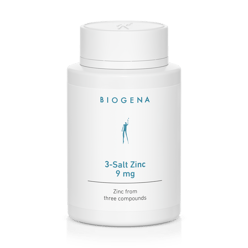
3-Salt Zinc 9 mg
How much zinc for zinc deficiency?
The amount of zinc to be taken for a zinc deficiency is determined individually by zinc status, age group and gender as well as the dosage of the respective zinc supplement. In order to determine the ideal dosage for you, you should consult your doctor. He or she can recommend an adequate dosage based on a blood test.
Duration: How quickly can zinc deficiency be remedied?
The time it takes for zinc deficiency to be remedied also depends on several factors. It is best to contact your doctor regarding treatment duration. The doctor can perform a success check using a blood test to determine your current zinc supply.
06
Zinc deficiency during pregnancy & lactation
Pregnant women and breastfeeding mothers have an increased need for zinc, which also increases their risk of zinc deficiency. It is no coincidence that the trace element is increasingly needed in these life phases.
Pregnancy. Pregnancy is a feat of strength for the female body. After all, a highly complex human organism is created from a single cell within a few months. Zinc, which plays an important role in growth processes, cell differentiation and the increased metabolism, must not go missing here. In addition, women lose more zinc during pregnancy due to the increased urge to urinate. For this reason, expectant mothers should pay special attention to their zinc supply. After all, zinc deficiency can increase the risk of your baby being born too early or too small.
Breastfeeding. The first weeks after birth are also very much a sign of growth. During this time, the infant zinc supply in nursing babies takes place exclusively via breast milk. The fact that the baby “eats along” is also reflected in the maternal zinc requirement. Thus, zinc recommendations for breastfeeding mothers are noticeably higher and consequently their risk of zinc deficiency is also greater.
07
Zinc deficiency in those who want to have children
An unfulfilled desire to have children can be a stressful situation for couples. The reasons for this can be varied. In addition to illnesses and advanced age, certain micronutrient deficiencies can also play a part in involuntary childlessness.
In order to support couples on their way to parenthood, zinc is essential. The trace element influences its function in the formation of sex hormones, libido and fertility. It is also involved in sperm production. In women, a zinc deficiency can lead to menstrual disorders and impair their ability to conceive. In turn, zinc deficiency in men can affect sperm quality and testosterone levels and reduce male fertility.
08
Zinc deficiency in adolescents & children
Due to its role in growth and development processes, zinc is essential, especially in childhood and adolescence. Studies indicate that zinc supplementation can lead to improvement in growth, especially in infancy. In turn, a deficiency can promote the occurrence of diarrhoea and pneumonia – the most common causes of death in children under five years of age worldwide.
Zinc also affects the brain in many ways. The trace element is required during brain development and plays a role in regulating communication between nerve cells. Studies repeatedly document lower zinc levels in various body compartments (serum, erythrocytes, hair, nails, urine) in children with ADHD compared to healthy people. In contrast, the targeted intake of zinc led to a reduction in impulsivity, hyperactivity and impaired social behaviour in studies.
09
Zinc deficiency during menopause
Women in menopause should also pay attention to zinc. The trace element is not only required to produce sex hormones, it also helps maintain hormone balance.
Especially at the beginning of menopause, zinc deficiency can promote hormonal fluctuations. A good zinc supply, on the other hand, not only has a harmonising effect on hormone balance and libido, it has also been shown in studies to improve the cognitive performance and emotional well-being of women during menopause.
10
Conclusion
Zinc deficiency can throw the perfect biochemical interplay of the miracle of human life off track and result in a variety of physical and mental conditions. It is therefore all the more important to detect zinc deficiency as early as possible and to counteract it in a targeted manner. The easiest way to remedy zinc deficiency is to take a high-quality zinc preparation. Your doctor will be happy to advise you.
:quality(70))
:quality(70))
:quality(70))
:quality(70))
:quality(70))
:quality(70))
:quality(70))
:quality(70))
:quality(70))