

:quality(70))
01
Causes of vitamin C deficiency
Vitamin C deficiency can be caused by various factors and life situations that either lead to insufficient absorption or increased need. One of the most common causes is an unbalanced diet, especially the lack of fresh fruit and vegetables, which are natural sources of vitamin C. In addition, there are certain life circumstances that increase the vitamin C requirement and thus increase the risk of a deficiency. These include:
Stress: Both physical and psychological stress increase the need for vitamin C, as the body consumes more vitamin C under stress to support the production of stress hormones and strengthen the immune defence.
Diseases and infections: During and after infectious diseases that trigger high fever or inflammation and even in the case of prolonged diarrhoea, the body needs more vitamin C to strengthen the immune system and promote healing.
Smoking: Smokers have a significantly higher need for vitamin C, as smoking increases oxidative stress reactions in the body and this vitamin is consumed faster.
Pregnancy and breastfeeding: During pregnancy and lactation, the need for vitamin C increases to support both your own and your child’s health.
Intensive physical activity: People who regularly exercise intensively or do physically strenuous work have an increased need for vitamin C to support their increased metabolism and recovery processes.
Operations and injuries: After surgical interventions or serious injuries, especially burns, the need for vitamin C increases considerably. The vitamin plays an important role in wound healing and tissue regeneration by promoting collagen formation and supporting the immune system.
People in these life situations should be especially careful to consume sufficient vitamin C, whether through a vitamin-rich diet or, if necessary, through dietary supplements to prevent a deficiency.
02
Vitamin C deficiency: Symptoms & consequences
Vitamin C deficiency can manifest as a variety of symptoms. The earliest signs include fatigue, weakness and irritability, as vitamin C plays an important role in energy metabolism. Another common symptom is frequent infections and an increased susceptibility to colds, as the immune system is weakened. Skin changes such as rough, dry skin and slow-healing wounds occur as vitamin C is required for collagen formation, which is essential for skin health and wound healing. Bleeding gums and gingivitis can also be indications of a deficiency.
In advanced cases, scurvy may occur, a severe disease characterised by symptoms such as severe joint pain, bleeding, tooth loss and anaemia. Long-term untreated vitamin C deficiency can increase the risk of chronic diseases such as cardiovascular diseases and certain types of cancer. Therefore, it is crucial to ensure an adequate vitamin C intake to avoid these health consequences.
03
Diagnosis: Identifying a vitamin C deficiency
The diagnosis of vitamin C deficiency is usually made using a combination of medical history, clinical examination and laboratory tests. First, the doctor will collect a detailed medical history, discussing dietary habits, lifestyle and possible risk factors such as smoking, chronic diseases or recent surgery. If a deficiency is suspected, a physical examination will follow to identify typical symptoms such as skin changes, bleeding gums or wound healing disorders. To confirm the diagnosis, a blood test can be performed in which the ascorbic acid content in the plasma is measured.
Early diagnosis is crucial in order to take timely measures to remedy the deficiency and to avoid serious health consequences.
04
Preventing and treating a vitamin C deficiency
To prevent vitamin C deficiency, a balanced diet with enough fresh fruit and vegetables is key. Daily intake of vitamin C-rich foods such as citrus fruits (oranges, lemons, grapefruit), berries, kiwis and vegetables such as peppers, broccoli and leafy vegetables can ensure that the body is adequately supplied with the essential vitamin. In situations with increased need, it may be necessary to increase the uptake. In such cases, supplements may be a useful addition.
If vitamin C deficiency is already present, the doctor will usually recommend a higher dose of vitamin C, which is administered either by nutritional supplements or in severe cases by intravenous administration. By combining a vitamin-rich diet with targeted supplements, a deficiency can be effectively prevented or treated.
05
Supplementing vitamin C: Food supplements, etc.
Vitamin C supplements offer a variety of options that differ in their pharmaceutical form, dosage and source of the vitamin. A gentle way to supplement vitamin C is with plant extracts such as acerola extract, which provide natural sources of the vitamin. Buffered vitamin C forms are more suitable for people with sensitive digestive tracts, as they are less stressful than pure ascorbic acid. Examples of such buffered compounds are sodium and calcium ascorbate. A special branded raw material called Ester-C® combines buffered vitamin C with L-threonate, a vitamin C metabolite that increases bioavailability and ensures that the vitamin remains in the immune cells for longer.
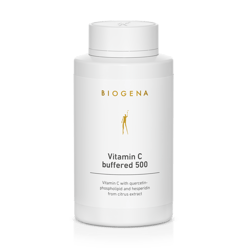
Ester-C® Gold: Vitamin C buffered 500
Particularly noteworthy is liposomal vitamin C, which is currently considered the most advanced form. Here, the water-soluble vitamin C is packed into tiny blisters whose membranes consist of phospholipids. This structure significantly improves the absorption and availability of vitamins in the body.
With these diverse options, individual needs and sensitivities can be better considered, which ensures an optimal vitamin C supply.
06
Optimal bioavailability due to liposomal vitamin C
Liposomal vitamin C offers outstanding bioavailability that is superior to conventional forms of vitamin C. This innovative pharmaceutical form encapsulates vitamin C in tiny lipid particles called liposomes. These liposomes protect the vitamin from breakdown in the gastrointestinal tract and significantly improve its uptake in the body. Studies show that liposomal vitamin C reaches a concentration up to 2.4 times higher in the blood than conventional ascorbic acid. This not only allows more efficient absorption, but also ensures longer-lasting availability of vitamins in the body. Particularly under extreme conditions, such as infections or severe stress, liposomal vitamin C offers the advantage of rapidly reaching high vitamin C levels in the blood and thus optimally supporting the immune system. This pharmaceutical form therefore combines effective protection and increased efficiency, making it the preferred choice for many users.
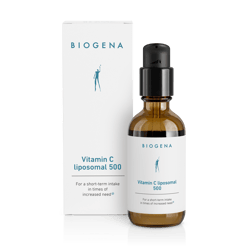
Vitamin C liposomal 500
:quality(70))
:quality(70))
:quality(70))
:quality(70))
:quality(70))
:quality(70))
:quality(70))
:quality(70))
:quality(70))