

:quality(70))
01
Top up your vitamin D levels in the tanning bed: is it possible to build up vitamin D on a sunbed?
The answer is: basically yes – but only under certain conditions and with restrictions. To produce vitamin D, the body needs UV-B rays in the range of 290 – 315 nm, which also occur in natural sunlight. However, modern solariums are mostly designed for cosmetic tanning and mainly use UV-A rays. Although these promote tanning of the skin, they do not contribute to vitamin D synthesis.
Some solariums offer special lamps with a proportion of UV-B radiation that can actually stimulate the formation of vitamin D. However, this depends to a large extent on the solarium equipment and the duration of the exposure. But be aware: both UV-A and UV-B rays cause cell damage, which can lead to skin cancer and accelerate skin aging.
02
What are the advantages and risks of using a tanning bed?
Many people associate the following benefits with a visit to a tanning bed:
Mood enhancement: the light from a tanning bed can have a positive effect on mood and counteract winter depression. This is not directly due to the UV radiation, but to the perception of brightness by the eyes.
Cosmetic tanning: Many people appreciate the fresh, tanned appearance provided by UV-A rays, especially in the months when there is little sunshine.
Warmth and well-being: The warmth of the tanning bed offers a pleasant feeling of relaxation that can be beneficial in the cold season.
However, UV-A radiation in a solarium does not contribute to the body's own vitamin D production, but it does increase the risk of skin cancer. Studies also suggest that UV-A radiation can promote the breakdown of vitamin D in the body. Particularly alarming: those who start using tanning beds before the age of 35 are at almost double the risk of developing malignant melanoma.
These facts make it clear that it is not recommended to accept the health risks of UV radiation from solariums for vitamin D formation. Our tip:
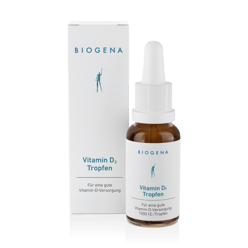
Vitamin D3 drops
03
Tips for the winter: prevent deficiency with vitamin D supplements
Diet only contributes to a small extent (< 20%) to meeting vitamin D needs. This is because only a few foods contain vitamin D.
The only effective and reliable option is to use vitamin D supplements. These offer you a safe and effective way to ensure your supply without endangering your skin health.
Conclusion: The idea of producing vitamin D in a solarium is not fundamentally wrong, but it is not possible in most solariums and it does have its limitations and risks. Alternatives such as dietary supplements are available for a safe vitamin D supply – these are not only easier, but also better for the skin.
Vitamin D remains an essential building block for our health, but caution and care are crucial with all methods.
:quality(70))
:quality(70))
:quality(70))
:quality(70))
:quality(70))
:quality(70))
:quality(70))
:quality(70))
:quality(70))