

:quality(70))
01
Definition: What are free radicals in the body?
Free radicals are unstable molecules or atoms that have at least one unpaired electron. They occur naturally in the body, for example as a result of metabolic processes, but also due to external factors such as environmental pollution, UV radiation or excessive stress.
Due to their instability, they are highly reactive and try to ‘steal’ electrons from other molecules, which can lead to a chain reaction of cell damage. This process is called oxidative stress and is associated with premature skin aging, inflammation and various chronic diseases.
:quality(70) "Figure 1: Intact molecule vs. free radical")
Figure 1: Intact molecule vs. free radical
02
How do free radicals form: A simple explanation
Free radicals can be formed in the body in a number of different ways. A distinction is made here between endogenous (produced by the body itself) and exogenous (external) factors.
Internal processes:
Cell breathing: During the production of energy in the mitochondria, free radicals are produced as by-products.
Immune reactions: Immune cells use free radicals to fight bacteria or viruses as part of the defence against pathogens. However, the quantities produced in this process are very small and do not contribute to the load.
External influences:
Environmental factors: air pollution, UV radiation and cigarette smoke increase free radical exposure.
Diet: A diet low in vital substances (e.g. industrially processed foods), alcohol and an unhealthy lifestyle in general can contribute to the development of oxidative stress.
Stress: Chronic stress increases the release of stress hormones, which weaken the body's antioxidant defences.
Lack of sleep: Not getting enough sleep affects the body's regeneration processes and can promote the development of oxidative stress. It also makes it more difficult to neutralise free radicals.
Medication: certain drugs, such as chemotherapy drugs or some painkillers, can promote the formation of free radicals.
03
Why are free radicals harmful?
Free radicals are produced naturally during our metabolic processes. However, these unstable molecules can cause significant damage if they get out of hand and the body is no longer able to neutralise them sufficiently. Here are some examples of how they can affect the body:
Damage to cells and tissue: They attack cell membranes and proteins, which can lead to a loss of function or even cell death.
DNA damage: Free radicals can alter the DNA in the cell nuclei, which affects the entire cell metabolism and increases the risk of cancer in the long term.
Diseases: Oxidative stress is associated with diseases such as diabetes, cardiovascular diseases and neurodegenerative diseases (e.g. Alzheimer's).
Ageing process: Free radical cell damage accelerates both visible and internal ageing processes.
04
Fighting free radicals: the role of antioxidants
Antioxidants are the natural antagonists of free radicals. They have the ability to neutralise the unstable molecules by providing them with an electron without becoming unstable themselves. In doing so, they interrupt the chain reaction of cell damage and help to protect against oxidative stress. This is why antioxidants are also referred to as radical scavengers.
:quality(70) "Figure 2: Electron transfer from antioxidant to free radical")
Figure 2: Electron transfer from antioxidant to free radical
The most important antioxidants include:
Minerals and trace elements: selenium, zinc, copper and manganese
Phytochemicals: polyphenols, flavonoids and carotenoids, which are found in fruit and vegetables.
Enzymes: superoxide dismutase (SOD), catalase and glutathione peroxidase, which occur naturally in the body.
Tips against free radicals
A healthy lifestyle is the key to maintaining a balance between free radicals and antioxidants. Here are some helpful tips:
Reduce stress: relaxation techniques such as yoga, meditation or walks in the fresh air can help.
Live smoke-free: give up cigarettes, as smoking massively increases free radical exposure.
Use sunscreen: protect your skin from UV rays with sunscreen and clothing. In addition, some antioxidants, such as astaxanthin, also provide protection from within.
Regular exercise: Moderate exercise supports the body's antioxidant capacity, while excessive exercise can increase oxidative stress.
Healthy diet: A varied, plant-based diet with foods rich in antioxidants is a suitable supportive measure.
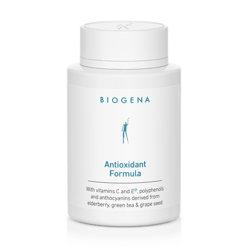
Antioxidant Formula
05
Free radicals and nutrition
Eating the right foods is a key part of the fight against free radicals. It is especially important to eat foods that are rich in antioxidants.
Food group | Examples | Important antioxidants |
|---|---|---|
Fruit | Berries (blueberries, strawberries, apples, grapes, citrus fruits) | e.g. vitamin C, flavonoids, anthocyanins |
Vegetables | Green leafy vegetables (spinach, kale, broccoli, pepper,s, carrots, tomatoes) | e.g. beta-carotene, vitamin E, polyphenols |
Nuts & seeds | Walnuts, almonds, brazil nuts, sunflower seeds, linseeds | e.g. vitamin E, selenium |
Legumes | Lentils, beans, chickpeas | e.g. polyphenols, flavonoids |
Spices | Turmeric, ginger, cinnamon | e.g. curcumin, zingerone, polyphenols |
Drinks | Green tea, coffee | e.g. catechins, polyphenols |
:quality(70))
:quality(70))
:quality(70))
:quality(70))
:quality(70))
:quality(70))
:quality(70))
:quality(70))
:quality(70))