

01
Our product recommendation
Pure Vitamin D3 with high-quality sunflower oil – in easy-to-use drops
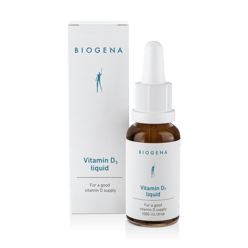
Vitamin D3 drops
€19.90
Free delivery on orders over €100
:quality(70))
16.09.2019 • 1 Reading time
Are you familiar with the chicken-and-egg dilemma? That's exactly how the discussion surrounding vitamin D and obesity feels. Which comes first: low vitamin D levels or those extra kilos on the scales?
Science has a pretty clear opinion on this: in general, obesity is the cause – not the consequence – of low vitamin D levels. Why? Quite simply: with a higher body weight, the sun vitamin is distributed over a larger volume. At the same time, part of it is stored in fatty tissue – and is no longer directly available to the body. The result: vitamin D levels drop.
Anyone hoping to lose weight faster with vitamin D capsules is likely to be disappointed. Studies show that supplementation alone has no significant effect on weight loss. However, vitamin D does play a role in processes related to obesity. Researchers are observing possible links with fat cell formation, their maturation and the hunger and satiety hormone leptin. Sounds promising? Yes. But research is still in its infancy.
What does this mean for you? Quite clearly: if you have a higher BMI, you should keep a close eye on your vitamin D intake. Because well-stocked reserves are not only important for general well-being, but could also be a crucial link between obesity, inflammatory processes in the body and possible secondary diseases.
At BIOGENA, we say: Well nourished is better equipped. Let's take a look at your vitamin D levels together – for a balance that is worth seeing.
01
Vitamin D3 drops
:quality(70))
Expert in knowledge management, BIOGENA
The fascinating world of micronutrients and emotional health topics is a great passion of the post-graduate nutritionist. The zealous wordsmith skillfully puts together contributions from various scientific sources, explaining complex topics in easily accessible terms. She is also a dedicated mum to two children.
Karampela, I. et al. 2021. Vitamin D and Obesity: Current Evidence and Controversies. Curr Obes Rep;10(2):162-180. https://pubmed.ncbi.nlm.nih.gov/33792853/
Sports | Micronutrients
A perfect match: why you should take zinc and magnesium together
ByDr. Michael Kohlberger, BSc, MSc5 Reading time
Micronutrients
Identifying high-quality dietary supplements: 7 criteria for good supplements
ByMag. Margit Weichselbraun3 Reading time
Better Living | Micronutrients
Vitamin D and sunscreen: Does sunscreen block vitamin D production?
ByMag. Margit Weichselbraun5 Reading time
Micronutrients | Anti-Stress & Well-being | Nutrition
Taking magnesium and coffee together: what you should bear in mind when taking them
ByDr. Michael Kohlberger, BSc, MSc6 Reading time
Sign up for our newsletter, receive your personal €10 voucher and look forward to exciting insights into the latest product innovations, giveaways and health tips – so you'll be well accompanied on your journey to well-being.
:quality(70))
:quality(70))
:quality(70))
:quality(70))
:quality(70))
:quality(70))
:quality(70))
:quality(70))