

:quality(70))
01
What is valine?
Valine is one of the essential amino acids. Does that sound a bit dodgy to you? Don't let the word ‘acid’ put you off! Although amino acids are chemically nitrogenous compounds, they are not harmful to your body – quite the opposite: your body needs them! In total, your body can draw on a set of 21 different amino acids. Some of them have a ring or chain-like appearance, while others are branched-chain, known as BCAAs. Valine is one of these.
Why can't your body do without this group? It uses them to produce proteins that you need for your muscles, immune system, hormones and skin. And to do this, it combines the available amino acids as it sees fit.
A few of these are essential amino acids. They are called this because they are vital for your body, but it cannot produce them itself. You therefore have to consume them through food or supplements. And you guessed it, right? Yes, that's right, branched-chain valine is also part of this team.
02
What you need valine for: everything you need to know about its effects and benefits
BCAAs such as valine, or its allies leucine and isoleucine, are particularly beneficial wherever strength and energy are required, but also for recovery and regeneration. After all, life is always about finding the perfect balance. Valine and its effects are therefore particularly beneficial for:
Your muscles
Your energy supply
Your growth
BCAAs such as valine have a decisive advantage: they can be converted directly into energy in the muscles.
What are the benefits for you? With valine on your side, you can counteract fatigue and activate all your energy reserves instead. But your body also benefits from valine after training: it helps you recover.
03
Valine: benefits and areas of application
Athletes in particular should therefore take a closer look at valine – but they are not the only ones! We have summarised the most important areas of application for valine for you:
Muscle building and maintenance: Valine can help you build muscle mass and recover. This means you'll be ready to go again sooner and prevent muscle soreness. If your body is under stress for a long time, it tends to break down muscle mass. Valine can help prevent this too.
Energy and performance: Valine serves as a reliable source of energy during intense physical activity, keeping you alert and productive. It doesn't matter whether you're lifting weights or running a marathon.
Blood sugar control: Studies have also shown that valine can keep your blood sugar levels stable during and after strenuous activity. This is important for ensuring that you have enough energy and remain focused and balanced.
Stress reduction: If you are stressed, valine can help reduce the concentration of the stress hormone cortisol. This is the only way you can relax again and build muscle in the first place.
Immune system: The amino acid also supports your immune system and can help make you less susceptible to infections.
Growth and fat loss: Valine stimulates growth hormones and can accelerate wound healing. At the same time, it ensures a good balance between muscle and fat tissue.
Good mood: Because valine is involved in the formation of neurotransmitters, it is also considered a mood booster that can improve your mood.
04
L-valine and D-valine – what is the difference?
But is valine always valine? Most people who look into this topic will eventually come across two curious terms: L-valine vs. D-valine. The difference? The shape!
L-valine: L-valine is the natural, biologically active form of valine. It is the version that is part of your proteins, performs important functions in your body and is also contained in dietary supplements.
D-valine: And then there is D-valine, a variation that looks identical to L-valine but does not occur naturally – and therefore does not play a significant role in your body.
05
Where is valine found: natural sources and dietary supplements
Valine is found in a number of foods. The key word here is protein, as this amino acid is hidden in protein-rich products. Here are a few examples:
Legumes such as beans, lentils, chickpeas, peas
Almonds, walnuts, sunflower seeds, chia seeds
Tofu, tempeh, soy products
Quinoa, buckwheat, oats
Beef, pork, chicken, turkey
Salmon, tuna, seafood
Eggs
Milk, cheese, yoghurt, quark
A balanced diet that includes sufficient amounts of foods such as these will help you meet your daily valine requirements. You can also support your body with valine supplements for an optimal muscle boost.
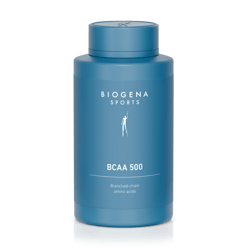
BCAA 500
06
Valine intake: information on daily requirements, timing and dosage
To ensure you have enough energy and get the most out of your muscles, you should primarily take valine before or after training. The recommended dose for adults is between 10 and 14 mg per kilogram of body weight. Always follow the manufacturer's instructions.
07
Too little valine: symptoms of a deficiency
The bad news: a valine deficiency is usually linked to a general protein or amino acid deficiency. The good news: it is relatively rare – provided you eat a varied diet. Especially if you train very intensively, you should make sure you get enough protein, and therefore also valine. Otherwise, you may literally run out of steam. The most common symptoms of valine deficiency include:
Fatigue
Muscle weakness
Cramps
Growth disorders
Concentration problems
Weak immune system
08
Conclusion: A game changer for more power
Magnesium, zinc, omega 3 – many vitamins and minerals are now on everyone's lips. Valine, on the other hand? It is still largely unknown. But it is definitely one of the rising stars and can be a game changer, especially when it comes to muscle building, energy balance and stress resistance. What does your body need to have enough of it in stock? A balanced diet with sufficient protein. For even more power, you can support it with dietary supplements.
:quality(70))
:quality(70))
:quality(70))
:quality(70))
:quality(70))
:quality(70))
:quality(70))
:quality(70))
:quality(70))