

:quality(70))
01
What is the best vitamin C supplement? The distinguishing features:
1. Best form of vitamin C
Not all vitamin C works the same – some forms are better absorbed, while others remain active in the body for longer. Which variant is best depends entirely on what you personally value: gentle tolerability, high bioavailability or natural origin?
Here is a compact overview – for a vitamin C supply that is tailored to your needs.
Natural vitamin C: Extracted from fruits such as acerola, camu camu or rosehip. Ideal for anyone who values natural plant power. One small drawback: the dosage is often slightly lower.
Buffered vitamin C (e.g. calcium ascorbate): Particularly gentle on the stomach. Well tolerated and therefore perfect for sensitive individuals who react sensitively to classic ascorbic acid.
Liposomal vitamin C: A variant with excellent absorption. Here, a special phospholipid shell ensures that the vitamin is absorbed particularly efficiently.
Ester-C®: An innovative combination of buffered vitamin C and the vitamin C metabolite L-threonate. Compared to normal vitamin C, the vitamin it contains is better absorbed and remains active in your immune cells for longer – perfect for anyone who wants round-the-clock protection.
Ascorbic acid: The classic, pure form of vitamin C. It is inexpensive, but can irritate the stomach in sensitive individuals.
2. Composition & ingredients
When it comes to dietary supplements, the clearer the formula, the better. Instead of a colourful mix of fillers and other ingredients, what really counts is what is in the product – and, above all, what is not in it.
Here's what you should look for when choosing your vitamin C supplement:
No unnecessary additives
Free from colourings, preservatives and coatings
Clearly declared ingredients & transparent origin
What is welcome, however, are carefully selected plant substances. They complement the effect of vitamin C in a natural way – and give the formula that extra bit of balance and depth.
3. Administration forms & dosage
Vitamin C is available in many forms. Each form has its own advantages, and some also have their disadvantages. Which one is best for you? That depends on what you value and what is good for you.
Capsules: The classic form of administration – tasteless, easy to swallow and usually free of unnecessary additives. Ideal if you value a clear and reduced formula.
Powder or liquid forms: Great for those who don't want to swallow capsules or want to dose their intake flexibly. Tip: Pay particular attention to the list of ingredients – some products contain sweeteners, flavourings or preservatives.
Fizzing tablets & vitamin C gums: Often a highlight in terms of taste – but not infrequently spiced up with additives such as sweeteners and artificial colours or flavourings. For enjoyable intake, but you should take a close look.
Tablets: Simple, compact and widely available – tablets are an uncomplicated form of intake. However: They often contain a number of additives. If you value maximum purity, you should also take a closer look here.
And how much vitamin C would you like?
How much vitamin C you really need depends entirely on your personal situation – your everyday life, your body and what you want to achieve. For a solid basic supply, products containing 250 mg of vitamin C are a good choice. Would you like a higher dose? Then it is best to talk to your doctor to find the right amount for you.
4. Origin of the raw material
The quality of a dietary supplement stands and falls with the selection of its raw materials. Carefully selected suppliers, transparent origins and controlled cultivation or manufacturing conditions play a central role in this. This also applies to vitamin C – an active ingredient for which purity and reliable origins are crucial. Only raw materials from reliable sources can form the basis for high-quality products.
5. Individual needs
The vitamin C supplement that is best for you depends on your personal needs. The dosage, form and administration may vary.
Your age, gender, diet, lifestyle and health determine how much vitamin C your body needs. During certain phases – such as pregnancy, breastfeeding, stress or during the cold season – your needs may increase. Habits such as exercise, smoking, alcohol consumption or taking certain medications also play a role.
And then there are your personal factors to consider: Do you have a sensitive stomach? Or do you prefer a particular form of intake, such as capsules, powder or liquid? By adapting the supplement to your individual needs, you can find the variant that suits you best – and make vitamin C your daily companion.
02
BIOGENA vitamin C supplements in comparison
There is no such thing as THE best vitamin C for everyone. That's why BIOGENA offers a fine selection of high-quality supplements, each with specific strengths in different areas. Whether particularly well tolerated, maximally bioavailable or specifically high-dose: in our comparison, we show you which vitamin C scores with which benefits.
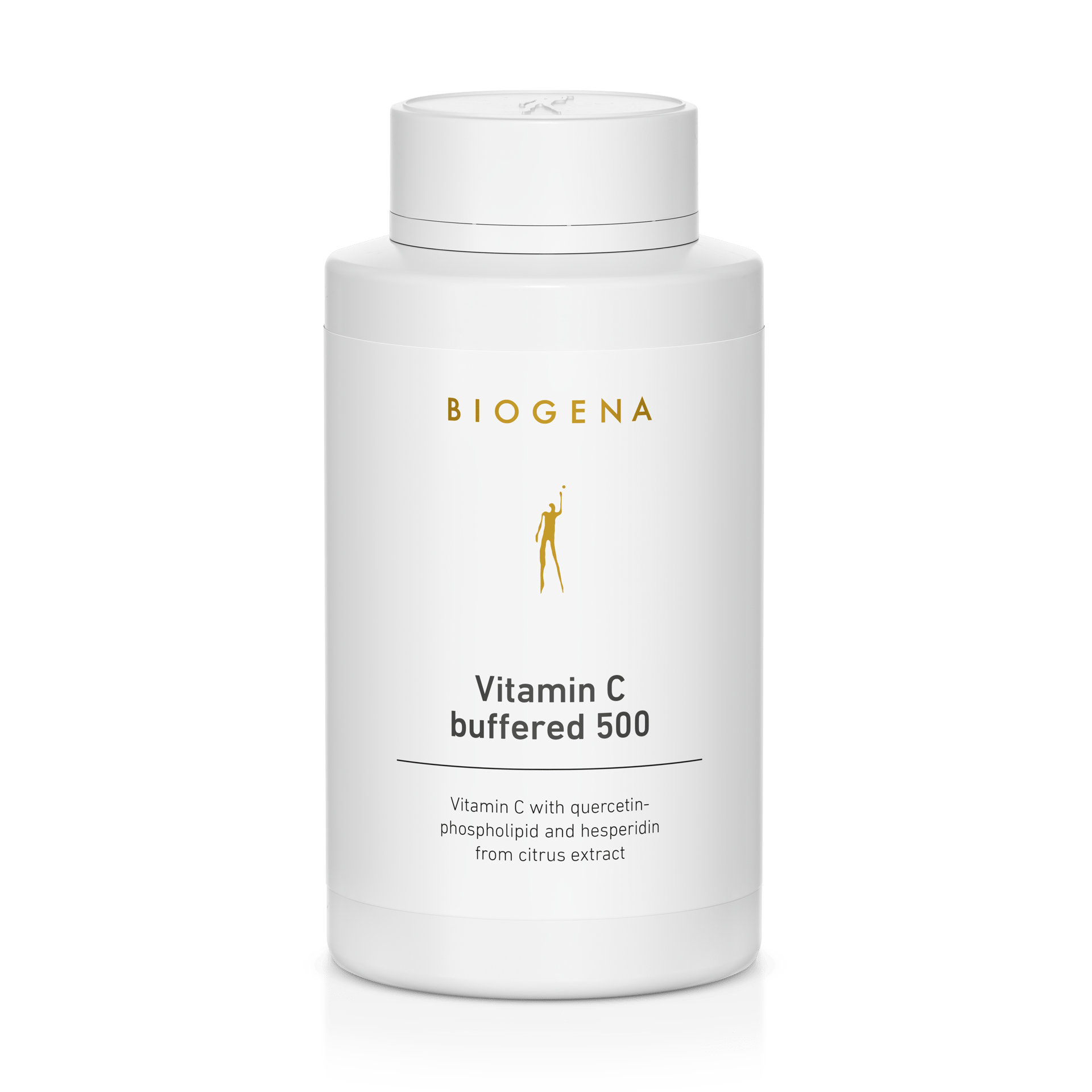 | 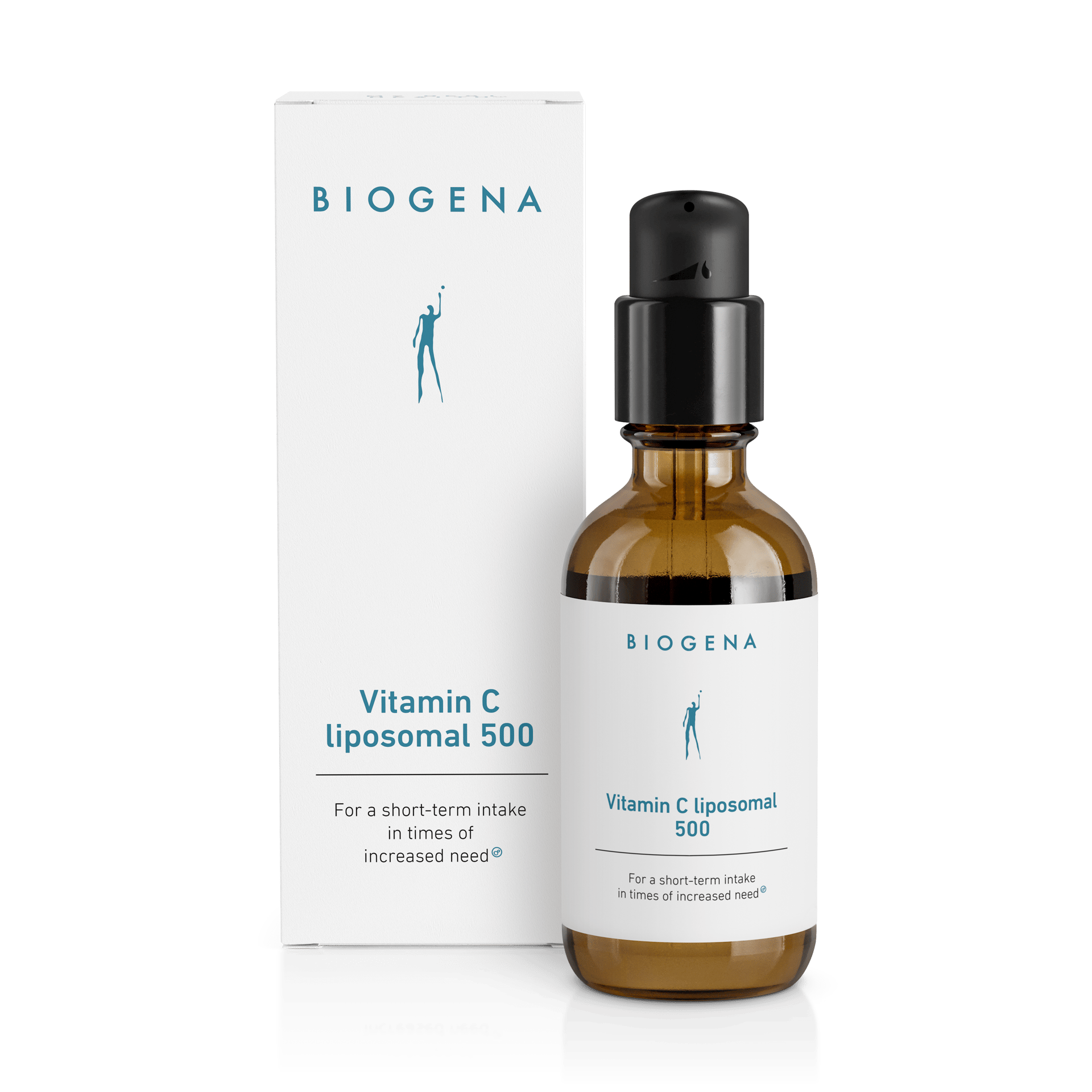 | 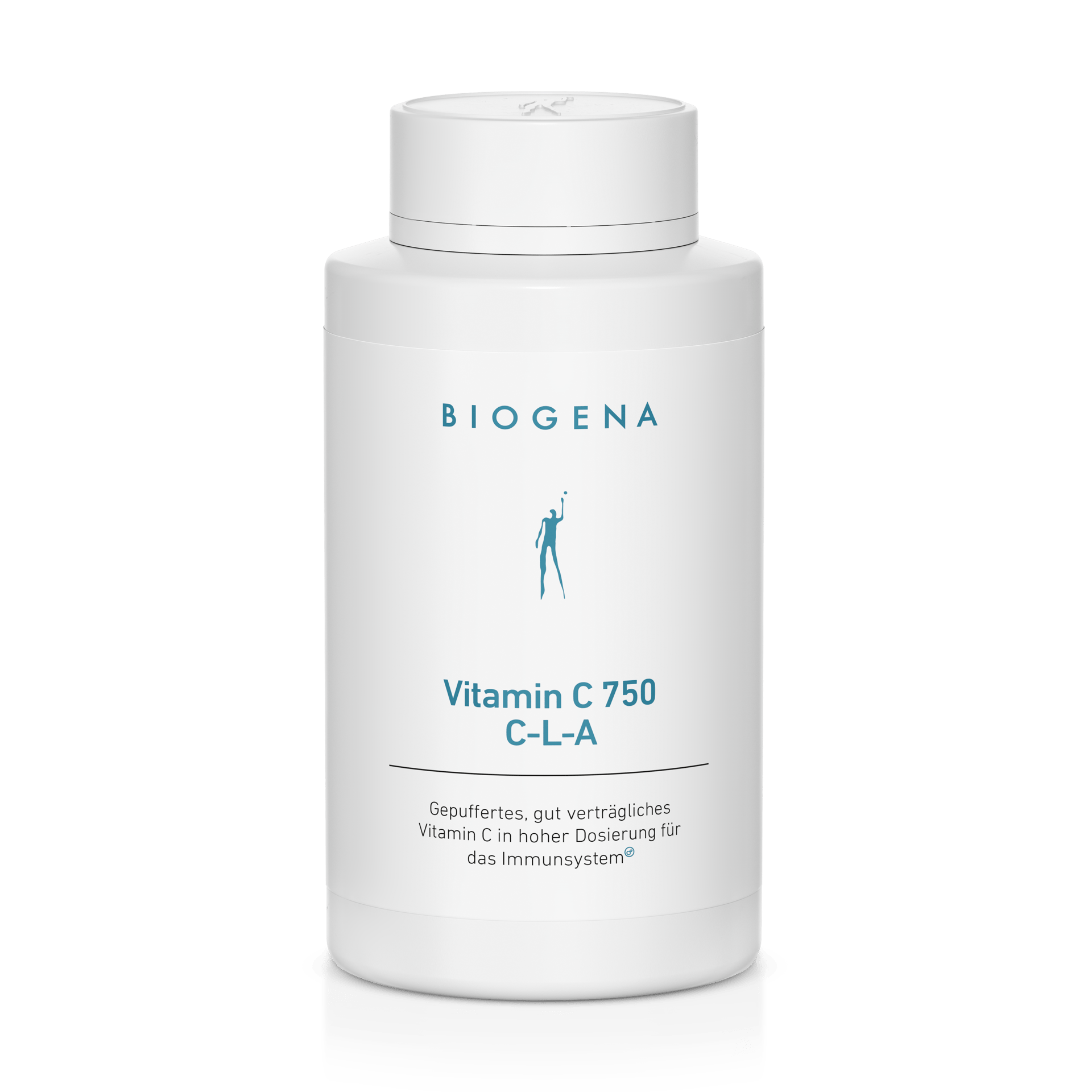 | |
| Price | |||
| €43.90 | €29.90 | €36.90 | |
| Info | |||
Premium vitamin C complex with patented Ester-C® and herbal extras | Highly bioavailable vitamin C through liposomal processing | High-dose vitamin C in the easily tolerated C-L-A form | |
| Your special bonus | |||
Long retention time in immune cells | Long retention time in immune cells | High dosage with good tolerability | |
| Dosage form | |||
Capsules | Liquid | Capsules | |
| The product in depth | |||
|
|
| |
| Ingredients & vitamin C content | |||
|
|
| |
03
Vitamin C in different situations
Whether it's your immune system, collagen formation or cell protection, vitamin C is involved in many processes in your body. No wonder it's one of the classic micronutrients. But not every form is suitable for every situation. Your individual needs determine which variant is right for you.
Which vitamin C for histamine intolerance?
Vitamin C can support the body's own histamine breakdown – an exciting aspect, especially for those with histamine intolerance. It is important to take the right form: hypoallergenic preparations without colourings, flavourings or preservatives are considered particularly well tolerated. And because pure ascorbic acid can irritate the stomach, buffered vitamin C should be preferred. Sounds complex? If in doubt, seek medical advice – individualisation is key here.
Which vitamin C for fructose intolerance?
Fructose intolerance requires a close look at the ingredients: Some products contain hidden sugars such as sorbitol or fruit flavourings, which can be problematic. Better: pure, well-labelled vitamin C supplements – without added sweeteners, fruit flavourings or sugar alcohols. Here, too, if you are unsure, it is best to seek professional advice.
Which vitamin C for children?
Children have their own specific needs – including when it comes to micronutrients. An age-appropriate dosage and dosage form are particularly important for them. Whether drops, NutriGellets® or powder: the main thing is that they are easy to take and contain no unnecessary additives such as sugar, colourings or artificial flavours. Your paediatrician can help you find the right product.
Which vitamin C during pregnancy?
Many pregnancy supplements already contain vitamin C. If you take additional supplements, they should be well tolerated, clearly dosed and as pure as possible – without unnecessary additives. Quality is especially important during this sensitive phase. And most importantly: always discuss each supplement with your doctor – for you and your baby.
04
Test winner & our personal vitamin C product highlight: Ester-C® Gold
When it comes to premium-quality vitamin C, there is no better choice than Ester-C® Gold. This high-dose supplement features a patented Ester-C® complex, whose vitamin C remains in the immune cells for up to 24 hours. Gentle on the stomach, optimally tolerated and supplemented with valuable plant substances such as quercetin (Quercefit®), grape seed extract (exGrape® SEED) and citrus bioflavonoids, this product is our clear favourite in the vitamin C range – for anyone who wants premium vitamin C with added value.
Ester-C® Gold: Vitamin C buffered 500
And if you need something fast – or find it difficult to swallow then our Vitamin C Liposomal 500 is the perfect choice. As a high-quality liquid supplement with a fresh lime flavour, it offers particularly high absorption – ideal for targeted treatment.
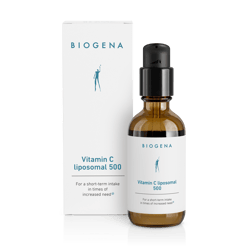
Vitamin C liposomal 500
05
Conclusion: Which vitamin C is the best?
The short answer: The one that suits you. Whether you have a sensitive digestive system, want to support your body during times of increased stress, or simply want to ensure your daily nutritional needs are met, at BIOGENA you will find high-quality vitamin C supplements for every situation.
:quality(70))
:quality(70))
:quality(70))
:quality(70))
:quality(70))
:quality(70))
:quality(70))
:quality(70))
:quality(70))