
Health

Detoxify your liver – these methods and home remedies relieve the liver

from Mag. Margit Weichselbraun
on 20.05.2025
Liver detox – These methods and home remedies can relieve liver stress

Your liver is a real multi-talent: it detoxifies, controls your metabolism and ensures that everything runs smoothly – day after day, usually completely unnoticed. No wonder we often forget how important it actually is. But too much fast food, alcohol, nicotine or stress can really slow it down. The good news? There's a lot you can do to help it! With a few simple tricks and home remedies, you can give your liver a well-deserved break and gently support it – for more energy, well-being and ease in everyday life.

Signs that your liver needs a break

Your liver is a real powerhouse, working flat out in the background and rarely complaining loudly, but even it needs a break sometimes. Do you often feel tired, unwell or have a feeling of fullness or pressure in your upper right abdomen? Then your body is telling you: it's time to give your liver a break. Especially after stressful periods or too much indulgence – whether it's alcohol, fatty foods or sweets – it's important to give your liver a break. Even small changes can help – and you'll feel how good it is for you.

Symptoms of an overworked liver at a glance:

  • Fatigue
  • Malaise
  • Feeling of fullness
  • Pressure in the upper right abdomen

How can we detoxify the liver naturally?

Our liver is normally quite capable of looking after itself. However, if we demand too much of it, it needs support.

Liver-friendly diet & foods that detoxify the liver

Proper nutrition plays an important role in this: Less fat, sweets and fast food, and more fresh, unprocessed foods are really good for you. You should also avoid avoidable toxins such as nicotine, alcohol and unnecessary medication (only in consultation with your doctor) during a detoxification phase. If you give your liver regular breaks, it will stay fit and efficient – and you will feel better all round.

If you want to consciously protect your liver, you can follow the general recommendations for a healthy diet: varied, unprocessed, organic, local and plant-based.

Recommended foods include:

Foods

Effect on the liver

Green leafy vegetables (e.g. spinach, kale, rocket)

Rich in antioxidants that help detoxify the liver.

Types of cabbage (e.g. broccoli, brussel sprouts, red cabbage, radishes)

Activate fat metabolism and support bile flow.

Tomatoes, paprika, fennel, zucchini

Promote detoxification, especially tomatoes due to their glutathione content.

Artichokes

Activate fat metabolism and support liver function.

Radicchio, chicory

Contain bitter compounds that stimulate bile flow and fat metabolism.

Dandelion

Supports normal liver function and promotes healthy digestion.

Beetroot

Contains betaine, which supports the liver in detoxification.

Berries (e.g. blueberries, raspberries, blackberries, kiwis)

Rich in antioxidants and dietary fibre, which support liver cleansing.

Citrus fruits (e.g. lemons, grapefruits)

Activate liver enzymes and promote detoxification.

Legumes

Assist the liver in detoxification through valuable fibre and plant protein.

Whole grain products

Assist the liver in detoxification through fibre and stable blood sugar levels.

Oats (e.g. oat flakes)

Contains beta-glucan, which cleanses and detoxifies the liver.

Walnuts

Contain omega-3 fatty acids, which reduce fat accumulation in the liver.

Avocado

Rich in healthy fats and antioxidants that support the liver.

Extra virgin olive oil

Promotes liver cleansing through healthy fats.

Protein sources (e.g. fish)

Promote the regeneration of liver cells.

Garlic

Supports detoxification through sulphur compounds and lowers cholesterol.

Curcuma

Has strong antioxidant properties and reduces inflammation in the liver.

Ginger

Promotes liver detoxification and has anti-inflammatory properties.

Probiotic foods (e.g. yoghurt, kefir, sauerkraut)

Supports gut health and indirectly liver function.

L-arginine (e.g. in pumpkin seeds, pine nuts, chicken meat)

Promotes liver detoxification.

Lemon water

Activates digestive enzymes and promotes liver detoxification.

Herbal teas (e.g. green tea, ginger tea)

Promote liver detoxification with antioxidants and anti-inflammatory properties.

Black cofffe and tea

Support liver metabolism with bitter compounds.

Table 1: Foods for the liver

De-stressing

But your lifestyle also plays an important role. Constant stress not only weighs on our psyche. In fact, our liver also suffers as a result – because constant stress and the stress hormone cortisol are anything but liver-friendly in the long term. Reducing stress and slowing down is therefore a real boost for your liver. So make a conscious effort to take time out to find your inner balance and give your liver the rest it needs.

Relaxing alkaline baths, long walks or gentle yoga exercises, for example, help you to de-stress from everyday life and serve as a holistic cleansing.

How can you specifically support your liver?

Did you know that your liver particularly appreciates herbal remedies? Bitter substances from plants such as artichoke, milk thistle and dandelion can help your liver to work even better. These plant extracts also aid digestion by contributing to normal liver function and normal bile production. This allows you to specifically support your body's powerhouse and help it to work even more effectively.
biogena-line
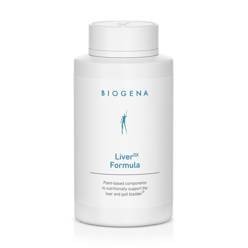
Liver Bile Formula

Our central metabolic organ, the liver, plays a key role in the utilisation, conversion, storage and breakdown of substances. We can support it - and its auxiliary organ, the gallbladder - from a nutritional and physiological point of view: Extracts of artichoke, milk thistle and dandelion support normal digestion and help to maintain normal liver function. Artichoke and milk thistle contribute to normal bile production.

View Product
€56.90
Leber Galle Formula - 120 Kapseln
biogena-line
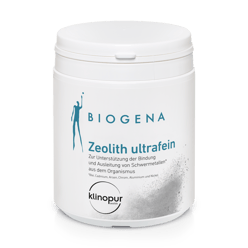
Zeolite ultrafine

Zeolite ultra-fine: to strengthen the intestinal wall barrier and support detoxification by binding heavy metals (lead, cadmium, arsenic, chromium and nickel) as well as ammonium in the gastrointestinal tract.

Buy Zeolite
€56.90
Zeolith ultrafein

In addition, micronutrients – such as vitamins, minerals and trace elements – play a crucial role in keeping your liver's enzymatic clock ticking. As so-called co-factors, they ensure that the liver enzymes work smoothly. Zinc, for example, makes an important contribution to fat and carbohydrate metabolism and, together with other micronutrients such as vitamin B (riboflavin) and selenium, helps to protect cells from oxidative stress. With the right supply of nutrients, you can actively do something for the health of your liver.

Other home remedies for liver care

In addition to a healthy diet and supportive dietary supplements, there are many simple home remedies that are good for your liver.

Bases & fluids

Maintaining a balanced acid-base balance is a constant challenge for our bodies. Especially after heavy meals with lots of meat, fat and sugar, a diet rich in vital substances and alkaline-forming foods such as fruit, vegetables, algae and herbs is good for your liver. In addition, special supplements can provide valuable alkaline compounds. And don't forget: drink at least two litres of water or unsweetened organic herbal teas every day – this keeps your liver fit and supports its detoxification processes.

To the alkaline powder

Liver wrap

A tried-and-tested home remedy for liver care is the liver wrap. It stimulates blood circulation and thus promotes liver processes. To do this, dip a small towel in hot salt water, wring it out, fold it in half and place it over your liver. Then place a hot water bottle on top and wrap a larger towel around your stomach as tightly as possible. Leave it on your stomach for 30 minutes and rest, and your liver will thank you! (Note: Do not use if you have bleeding and/or ulcers in the digestive tract!)

Sports

Exercise is not only good for your fitness, it also helps your liver to perform its detoxification work more efficiently. When you sweat, not only salts but also waste products are removed from the body. Exercise stimulates the metabolism and promotes liver activity – keeping you fit and your liver in top condition.

Fasting

Fasting can help your liver regenerate and activate its detoxification processes. In particular, intermittent fasting has been shown to be beneficial, as it gives the liver regular breaks, enabling it to work more efficiently. Taking breaks between meals is also a simple way to relieve the liver and promote its natural detoxification.

Targeted rest days such as an ‘oat day’ or mock fasting are just the thing, especially after a period of indulgence. They give your liver a break and support it with healthy foods and natural home remedies.

Caution: Extreme fasting diets that promise rapid detoxification in just a few days are not necessarily sustainable and can do more harm than good.

Reducing pollutants and toxins

The best thing for your liver is, of course, to avoid harmful substances. Wash plant-based foods such as rice, vegetables and fruit thoroughly before eating them – even if they are organically grown. Stay away from busy roads to avoid air pollution. When it comes to cosmetics and cleaning products, opt for natural products – this will not only protect your liver, but also your health.

Frequency & duration: How often and for how long should we relieve the liver?

How often and for how long you give your liver a break depends entirely on your lifestyle, diet, predisposition and exposure to toxins. If you are under a lot of stress, take medication or frequently consume fatty foods and alcohol, it may be a good idea to give your liver a regular break. An annual or biannual break is definitely good for your detoxification organ. Your liver will always appreciate these liver-friendly days, during which alkaline foods and liver-supporting substances dominate.

Frequently asked questions about liver detoxification:

The liver is the central organ for detoxifying the body and plays a crucial role in metabolism and nutrient utilisation. Modern lifestyles, such as an unbalanced diet, alcohol, nicotine and environmental toxins, can put a lot of strain on the liver. An overloaded liver does not function optimally and can cause symptoms such as fatigue and bloating. By providing targeted support and relief to the liver, you promote its regeneration so that you feel better all round.

A liver-healthy diet is crucial to support your liver in its natural detoxification process. Focus on a plant-based, unprocessed diet with plenty of fruit, vegetables, healthy fats and sufficient protein. Green leafy vegetables, cabbage varieties, artichokes, dandelion, beetroot, berries, citrus fruits, oats, garlic, turmeric and ginger are particularly beneficial. Water, unsweetened herbal teas, lemon water and ginger tea also contribute to detoxification. Breaks between meals, intermittent fasting, targeted rest days and selected plant substances also help to relieve your liver and support its function.

Water is the best drink for liver detoxification as it helps to eliminate toxins and is involved in many bodily processes. At least 1.5 to 2 litres of water or unsweetened herbal teas per day are ideal. Lemon water is a simple but effective home remedy that supports liver detoxification, especially when drunk in the morning on an empty stomach. Black coffee and tea can also stimulate liver metabolism, as can herbal teas made from milk thistle, dandelion and ginger. Apple cider vinegar in water helps to relieve the liver and gallbladder.

To support your liver in detoxification, eat a varied, plant-based diet. Green leafy vegetables, cabbage, artichokes, dandelion, beetroot, berries, citrus fruits, oatmeal, garlic, turmeric and ginger are particularly beneficial. Healthy fats from avocados, walnuts and olive oil, as well as high-quality proteins from fish and legumes, also contribute to liver health. These foods provide your liver with the nutrients it needs for its detoxification work.

Bananas do not directly detoxify the liver.

However, bananas are a healthy fruit that provide many important nutrients that are generally good for your body and support liver health.

Yes, liver detoxification can indirectly support weight loss. A healthy liver ensures that your metabolism functions efficiently and helps you break down excess fat. Exercise, a liver-healthy diet and measures such as intermittent fasting not only promote detoxification, but also help to reduce body weight. When you relieve your liver, your fat metabolism also improves, which makes it easier to lose weight.

The liver is a true all-rounder and can usually detoxify itself well. Nevertheless, due to modern lifestyles, it is advisable to give your liver a regular break to promote its ability to regenerate. Through targeted relief measures, such as a healthy diet and stress reduction, you can lower your risk of liver disease and keep your liver healthy in the long term. It's all about supporting and maintaining its natural function.

Yes, targeted support for the liver is absolutely beneficial. Even though the liver has amazing self-cleaning mechanisms, it can become overloaded by unhealthy eating habits, stress and pollutants. Regular relief helps the liver to work more efficiently, promotes its regeneration and reduces the risk of liver-related diseases.

This keeps your liver healthy and makes you feel more energetic and full of vitality.

References & sources

Zadeh, S.H. et al. Relationship between dietary patterns and non-alcoholic fatty liver disease: A systematic review and meta-analysis. J Gastroenterol Hepatol. 2021 Jun;36(6):1470-1478. doi: 10.1111/jgh.15363. Epub 2020 Dec 14. https://pubmed.ncbi.nlm.nih.gov/33269500/

Berná, G., Romero-Gomez, M. 2020. The role of nutrition in non-alcoholic fatty liver disease: Pathophysiology and management. Liver Int Actions. 2020 Feb:40 Suppl 1:102-108. doi: 10.1111/liv.14360. https://pubmed.ncbi.nlm.nih.gov/32077594/

Stefanaki, C. et al. Chronic Stress and Steatosis of Muscles, Bones, Liver, and Pancreas: A Review. Horm Res Paediatr. 2023;96(1):66-73. doi: 10.1159/000522540. Epub 2022 Feb 10. https://pubmed.ncbi.nlm.nih.gov/35144259/

Panahi, Y. et al. Efficacy of artichoke leaf extract in non-alcoholic fatty liver disease: A pilot double-blind randomized controlled trial. Phytother Res. 2018 Jul;32(7):1382-1387. doi: 10.1002/ptr.6073. Epub 2018 Mar 9. https://pubmed.ncbi.nlm.nih.gov/29520889/

Federico, A. et al. Silymarin/Silybin and Chronic Liver Disease: A Marriage of Many Years. Molecules. 2017 Jan 24;22(2):191. https://pubmed.ncbi.nlm.nih.gov/28125040/

Davaatseren, M. et al. 2013. Taraxacum official (dandelion) leaf extract alleviates high-fat diet-induced nonalcoholic fatty liver. Food Chem Toxicol. 2013 Aug:58:30-6. doi: 10.1016/j.fct.2013.04.023. Epub 2013 Apr 18. https://pubmed.ncbi.nlm.nih.gov/23603008/

Krupp, D. et al. 2012. Long-term dietary potential renal acid load during adolescence is prospectively associated with indices of nonalcoholic fatty liver disease in young women. J Nutr. 2012 Feb;142(2):313-9. doi: 10.3945/jn.111.150540. Epub 2012 Jan 5. https://pubmed.ncbi.nlm.nih.gov/22223573/

Martin, M. Labormedizin in der Naturheilkunde, 4. Auflage. München: Elsevier GmbH, 2013.

Karampathsis, E. 2012. Zeolite: Investigation of the Effectiveness and Safety as an Oral Chelating Agent for Heavy Metals. A comparison between different commercially available preparations. Original study. Scottsdale, Arizona. S. 1–12.

Martin, M. 2011. Gesundes Entgiften - Regulationstherapien richtig anwenden. Biogena Inside. 2(1)

Flowers, J. et al. 2009. Clinical evidence supporting the use of an activated clinoptilolite suspension as an agent to increase urinary excretion of toxic heavy metals. Nutr Diet Suppl. 1:11–8.

Hofmann, T. et al. 2009. Modulation of detoxification enzymes by watercress: in vitro and in vivo investigations in human peripheral blood cells. Eur J Nutr. 48(8):483-91. https://pubmed.ncbi.nlm.nih.gov/19636603/

Innis, S. M. et al. 2007. Choline-related supplements improve abnormal plasma methionine-homocysteine metabolites and glutathione status in children with cystic fibrosis. Am J Clin Nutr. 85(3):702-8 https://pubmed.ncbi.nlm.nih.gov/17344490/

Shukla, Y., Singh, M. 2007. Cancer preventive properties of ginger: a brief review. Food Chem Toxicol. 45(5):683-90. https://pubmed.ncbi.nlm.nih.gov/17175086/

Hahn, A. Nahrungsergänzungsmittel und bilanzierte Diäten, 2. Auflage. Stuttgart: Wissenschaftliche Verlagsgesellschaft, 2006.

Yemitan, O. K., Izegbu, M. C. 2006. Protective effects of Zingiber officinale (Zingiberaceae) against carbon tetrachloride and acetaminophen-induced hepatotoxicity in rats. Phytother Res. 20(11):997-1002. https://pubmed.ncbi.nlm.nih.gov/16941609/

Watzl, B., Leitzmann, C. Bioaktive Substanzen in Lebensmitteln, 3. unveränderte Auflage. Stuttgart: Hippokrates Verlag, 2005.

El-Zayadi, A. R. et al. 2005. Non-interferon-based therapy: an option for amelioration of necro-inflammation in hepatitis C patients who cannot afford interferon therapy. Liver Int. 25(4):746-51. https://pubmed.ncbi.nlm.nih.gov/15998425/

Buang, Y. et al. 2005. Dietary phosphatidylcholine alleviates fatty liver induced by orotic acid. Nutrition. 21(7-8):867-73. https://pubmed.ncbi.nlm.nih.gov/15975496/

Wagner, H., Wiesenauer, M. Phytotherapie: Phytopharmaka und pflanzliche Homöopathika, 2. Auflage. Stuttgart: Wissenschaftliche Verlagsgesellschaft, 2003.

Shakov, Y. I. 2003. [Klinische Studie zur Wirkung von Litovit bei der Ausleitung von Schwermetallen aus dem menschlichen Körper.] Forschungsbericht der Tshelbinsker Staatlichen Medizinischen Akademie des Ministeriums für Gesundheitswesen der Russischen Föderation.

LeBlanc, M. J. et al. 2003 Effects of dietary soy bean lecithin on plasma lipid transport and hepatic cholesterol metabolism in rats. J Nutr Biochem. 14(1):40-8. https://pubmed.ncbi.nlm.nih.gov/12559476/

Halsted, C. H. 2004. Nutrition and alcoholic liver disease. Semin Liver Dis.24(3):289-304. https://pubmed.ncbi.nlm.nih.gov/15349806/

Koo, H. N. et al. 2004. Taraxacum officinale induces cytotoxicity through TNF-alpha and IL-1alpha secretion in Hep G2 cells. Life Sci. 74(9):1149-57. https://pubmed.ncbi.nlm.nih.gov/14687655/

Englisch, W. et al. 2000. Efficacy of Artichoke dry extract in patients with hyperlipoproteinemia. Arzneimittelforschung. 50(3):260-5. https://pubmed.ncbi.nlm.nih.gov/10758778/

Wegener, T., Fintelmann V. 1999. Pharmacological properties and therapeutic profile of artichoke (Cynara scolymus L.). Wien Med Wochenschr.149(8-10):241-7. https://pubmed.ncbi.nlm.nih.gov/10483691/

Monographie Kommission E. 1988. Lecithinium ex soja. Bundesanzeiger. 85.

Grant, D.M. Detoxification pathways in the liver. J Inherit Metab Dis. 1991;14(4):421-30. doi: 10.1007/BF01797915. https://pubmed.ncbi.nlm.nih.gov/1749210/

Deak, G. et al. 1990. Immunomodulator effect of silymarin therapy in chronic alcoholic liver diseases. Orv Hetil. 131(24):1291-2. https://pubmed.ncbi.nlm.nih.gov/2195425/

Leberwickel: https://praxistipps.focus.de/leberwickel-fuer-bessere-durchblutung-und-entgiftung-anwendung-und-nutzen_107011 

Biogena Mikronährstoffcoach: https://www.mikronaehrstoffcoach.com/de/at/indikationen/indication.leberschutz-leberfunktionsstoerungen.html


More articles
The secret power of bitter substances
Bitter substances: Why bitter is healthy and good for the modern body
Admittedly, it’s usually not love at first sight: bitter, the taste profile which, for many people, conjures up first an acidic facial expression and then a distorted smile. However, bitter tasting plant substances can offer valuable lifelines...
Zeolith – Detoxify and strengthen the intestinal wall with the power of nature
Zeolite – Detoxify with the power of nature
Heavy metals. Ubiquitous in nature, they are difficult for our body's own detoxification machinery to eliminate. Even small amounts can accumulate in our bodies and affect our health in many ways. To remedy this, we find what we are looking for in...
The acid-base balance: helping us maintain a healthy equilibrium
Interesting facts and tips concerning the endogenous regulatory system: Our body is a true marvel whose metabolic processes are perfectly coordinated. Read more here about what our body does every day to keep us in balance.